




Jowar (Sorghum): The Mild All-Rounder
Jowar, or sorghum flour, is a fantastic starting point for any aspiring millet baker. Known for its mild, slightly sweet taste, it doesn't overpower other ingredients, making it incredibly versatile. Due to its lack of gluten, jowar flour creates a tender,
albeit slightly denser, crumb structure compared to wheat. For best results, especially in leavened breads, it’s wise not to go all-in at once. Start by substituting 25% of your regular whole wheat or all-purpose flour with jowar flour. This simple swap enhances the bread's nutritional profile, adding protein and essential minerals like phosphorus and magnesium, without drastically changing the texture your family is used to. It pairs beautifully with herbs like oregano and garlic, making for a flavourful, savoury loaf.
Bajra (Pearl Millet): The Bold & Nutty Choice
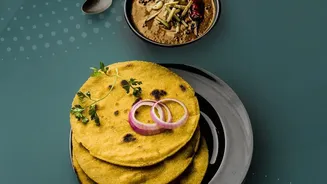
Bajra is a winter staple in many parts of India for a reason; it's known for its warming properties and bold, nutty flavour profile. With a distinctive greyish hue and an earthy taste that can have a slight bitterness, bajra creates dense, rustic, and deeply satisfying breads. This isn't the flour for a light, airy sandwich loaf, but rather for a hearty bread that stands up to robust curries and dals. Like other millets, bajra is gluten-free and benefits from being blended with other flours. When baking with bajra, its coarse texture can be balanced by combining it with jowar or whole wheat flour. Its distinct character pairs wonderfully with traditional Indian spices, ghee, and jaggery, offering a truly regional taste experience.
Ragi (Finger Millet): The Nutrient-Dense Powerhouse
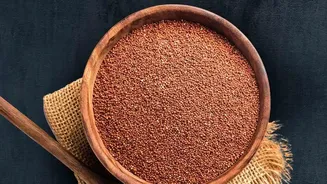
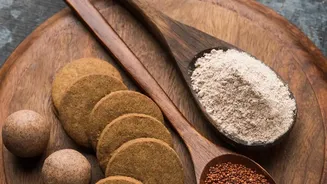
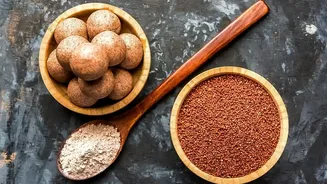
Ragi is a superfood that packs a serious nutritional punch, celebrated for being rich in calcium, iron, and dietary fibre. Its deep, reddish-brown colour gives baked goods a beautiful, dark hue and a distinctive earthy, nutty taste. When used in bread, ragi flour can produce a dense loaf, so it's often combined with whole wheat and a little all-purpose flour to achieve a softer, more desirable structure for sandwich bread. For those aiming for a completely gluten-free loaf, incorporating a binder like psyllium husk is essential to mimic the elasticity of gluten and prevent a crumbly texture. Ragi's robust flavour works well in both sweet and savoury applications, making it a great choice for everything from a simple breakfast toast to a flavourful banana bread.
Foxtail & Other Millets: The Lighter Grains
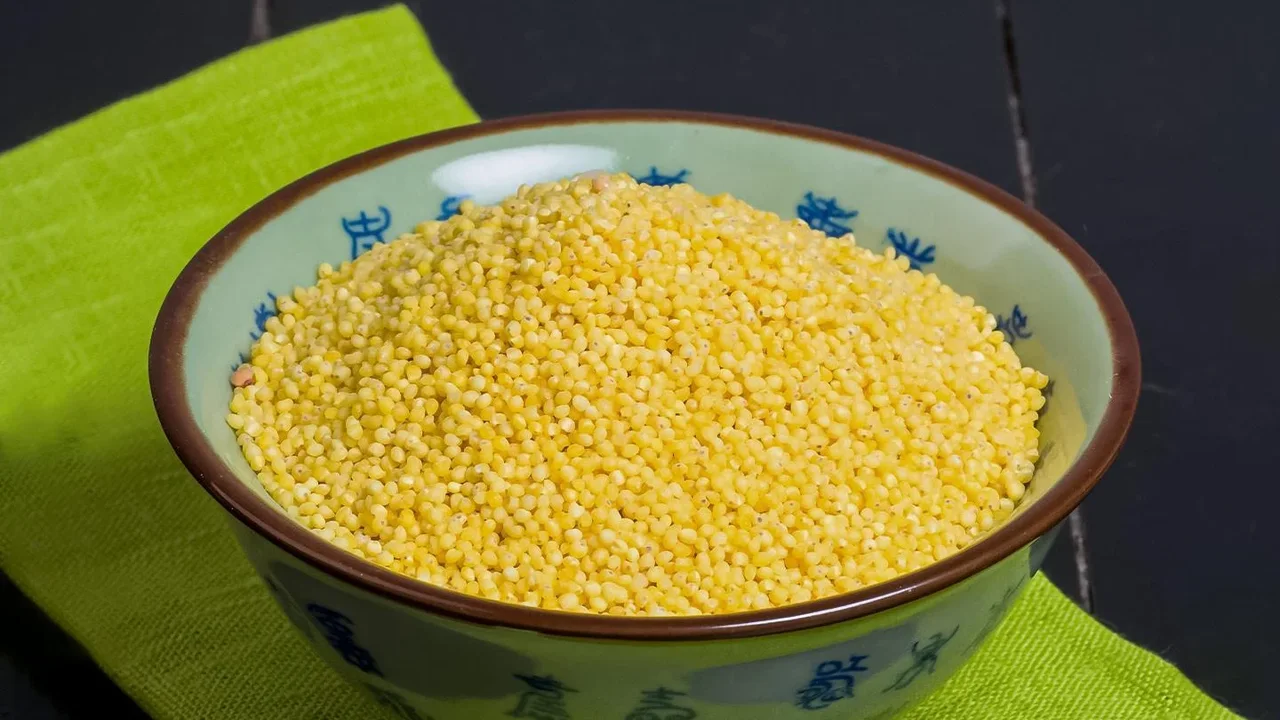
Beyond the big three, a world of smaller millets like foxtail, kodo, and barnyard millet offers even more variety. These flours are generally lighter in texture and milder in flavour compared to bajra or ragi. Foxtail millet flour, for instance, has a very fine, soft texture that works well in cakes and muffins. This makes them excellent candidates for blending into multigrain bread mixes without dominating the flavour. For bakers new to millets, starting with these lighter varieties can be a gentle introduction. Their subtlety allows you to experiment with higher proportions in your flour blends, gradually discovering the unique characteristics each one brings to your homemade bread.
Essential Tips for Millet Baking Success
Baking with millet flours is a journey of experimentation, but a few key principles will set you up for success. First, remember that millet flours are very thirsty due to their high fiber content; you will likely need to increase the amount of liquid (water or milk) in your recipe. Second, don't aim for a 100% millet loaf on your first try. A blend of 20-25% millet flour with your usual bread flour is a great starting ratio. Finally, because millets are gluten-free, they need help with structure. If you are not using wheat flour in your blend, a binding agent is crucial. Psyllium husk, flaxseed meal, or xanthan gum can help create the doughy, flexible consistency needed for a well-risen and cohesive loaf.