






The Short-Lived Washout
A brief shower does, in fact, wash away some pollutants. Raindrops capture particulate matter (PM2.5 and PM10) as they fall, leading to a noticeable, but temporary, dip in pollution levels. Studies have shown that while PM2.5 levels drop during a rain
event, they often rebound within 24 to 48 hours, sometimes to levels even higher than before the shower. This happens because the sources of pollution—vehicles, industry, and construction—continue to pump emissions into the air unabated. The rain provides a quick rinse, but it doesn't turn off the tap.
The Onslaught from the Fields
October marks the beginning of the harvest season for paddy crops in states like Punjab and Haryana. To quickly clear their fields for the next crop, many farmers resort to burning the leftover stubble. This practice releases enormous plumes of smoke, laden with toxic gases and particulate matter. Prevailing northwesterly winds then carry this pollution blanket directly over the Indo-Gangetic Plain, including the National Capital Region. During peak burning periods, this agricultural smoke can account for a staggering 40-50% of Delhi's particulate pollution, completely overwhelming any cleansing effect from light October rains.
An Unhelpful Atmosphere
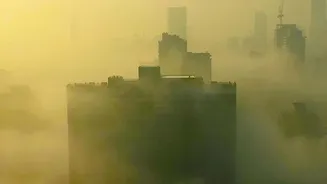
As the monsoon retreats, the entire weather pattern over North India begins to change. Wind speeds drop significantly, meaning there's less force to disperse pollutants. More critically, a phenomenon known as temperature inversion starts to occur, especially during cooler nights and mornings. Normally, air is warmer near the ground and gets cooler with altitude, allowing pollutants to rise and scatter. In an inversion, a layer of warm air traps a layer of cooler, denser air near the ground. This acts like a lid, preventing pollutants from vehicles, industries, and stubble burning from escaping. The result is a toxic smog that sits stubbornly over the city, which no amount of light drizzle can break through.
The Wrong Kind of Rain
Not all rain is created equal when it comes to cleaning the atmosphere. The heavy, sustained downpours of the monsoon season are far more effective at washing out pollutants than the short, light showers typical of the post-monsoon period in October. Monsoon rains are widespread and last for hours or even days, giving the atmosphere a thorough cleansing. In contrast, October showers are often brief and localised. They might clear the air in one neighbourhood for an hour, but they lack the scale and duration needed to combat the constant influx of new pollutants and the stable, trapping nature of the autumn atmosphere.