








What 'Zero-Waste' Means in Spiti
Before you book, it's vital to understand what 'zero-waste' or 'eco-friendly' truly means in a remote region like Spiti. Unlike in a city, it's not about stylish compost bins or complete avoidance of packaging. Here, sustainability is a way of life born
from necessity. A zero-waste stay in Spiti focuses on a few core principles: minimising the use of single-use plastics that have no disposal system here, managing water (a scarce resource), using solar energy for heating and electricity, and creating meals from locally sourced ingredients to reduce food miles. It’s about leaving the lightest possible footprint in a place where every resource is precious. When you choose such a stay, you are participating in a practical, deeply rooted form of environmental conservation.
Embrace the Traditional Homestay Network
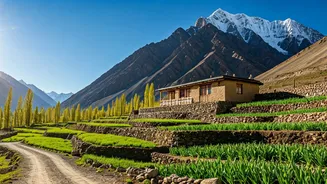
The most authentic and inherently low-impact way to experience Spiti is through its network of community-run homestays. These are not hotels; they are rooms in local family homes. Staying in one offers an unparalleled cultural immersion. You’ll eat what the family eats—simple, delicious meals often made with barley, peas, and potatoes grown in their own fields. Waste is minimal by default. Leftover food is often fed to livestock, and since most goods are locally produced, there's very little plastic packaging. By choosing a homestay in villages like Langza, Hikkim, or Komic, your money directly supports the local economy, empowers women who often run the homes, and encourages the preservation of traditional Spitian architecture and lifestyles. It is the original form of sustainable tourism.
Look for Eco-Lodge Pioneers
For travellers seeking a bit more structure without compromising on principles, pioneering eco-lodges offer a fantastic middle ground. Organisations like Spiti Ecosphere have been instrumental in promoting responsible tourism for years. They collaborate with communities to develop and manage properties that are built using traditional, eco-friendly methods like rammed earth and local wood. These lodges are often designed with sustainability at their core, featuring dry-composting toilets, robust solar power systems, and well-managed greenhouse gardens to supply their kitchens. While offering more comfort than a basic homestay, they remain deeply committed to ecological and social responsibility, channelling profits back into community projects like building greenhouses or funding local education.
Consider Modern Hostels with a Conscience
The backpacking boom has brought modern, well-equipped hostels to Spiti, particularly in larger towns like Kaza. While some can contribute to the waste problem, a growing number are consciously adopting more sustainable practices to appeal to environmentally aware travellers. When vetting a hostel, look beyond the chic common areas and fast Wi-Fi. Do they have water refilling stations to discourage the purchase of plastic bottles? Do they actively talk about waste segregation or 'pack-in, pack-out' policies? Hostels like Zostel Spiti, for example, have made efforts to integrate with the local landscape and culture. These establishments are often a great place to meet other travellers and can be a good entry point to understanding the challenges and rewards of travelling sustainably in the region.
Your Role as a Zero-Waste Guest
Choosing the right stay is only half the battle; your own behaviour is just as important. Being a zero-waste guest is an active role. The cardinal rule is to not bring single-use plastics into the valley. Carry a reusable water bottle and a filter or purification tablets. Say no to plastic bags and bring your own cloth tote. Crucially, you must pack out everything you pack in—this includes used batteries, wrappers, and any other non-biodegradable waste you generate, as there is no municipal system to handle it in Spiti. Be mindful of your water and electricity consumption. By taking personal responsibility for your footprint, you become a partner to your host in preserving the pristine beauty of the valley for generations to come.