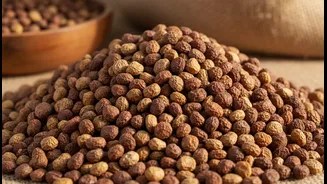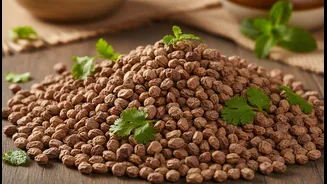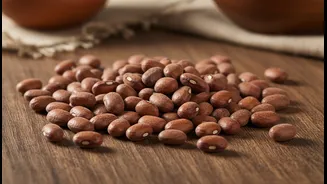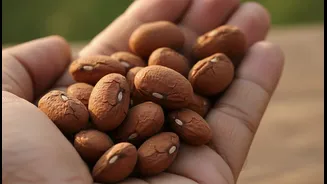


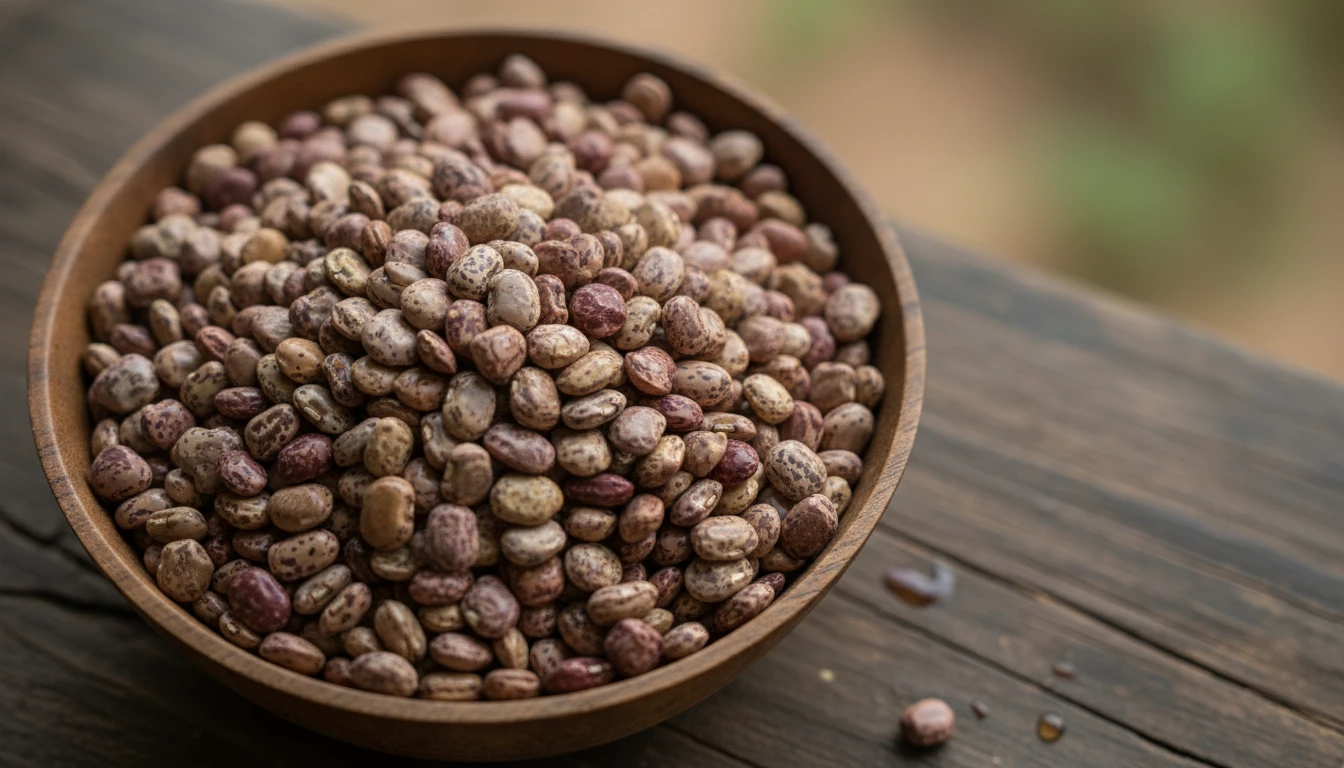


What Exactly is Horse Gram?
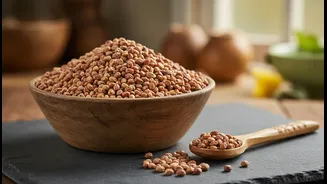
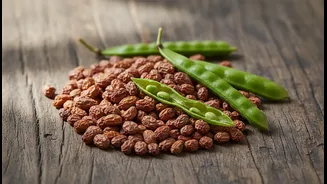
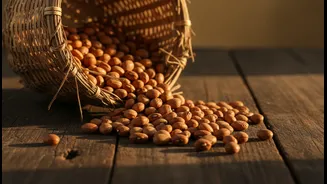
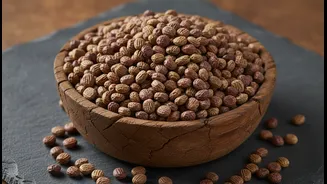
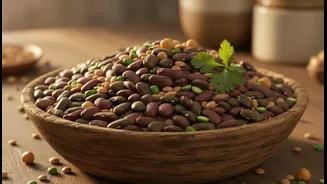
Known as Kulthi in Hindi, Kollu in Tamil, and Hurali in Kannada, horse gram (Macrotyloma uniflorum) is a small, hardy legume that has been cultivated in India for millennia, with archaeological evidence tracing it back to 2000 BC. Its English name comes
from its traditional use as a nutrient-dense feed for horses and cattle. This drought-resistant crop thrives in poor soil conditions where other plants might fail, making it a crucial, low-input crop for farmers in the semi-arid regions of South India and states like Odisha and Maharashtra. Often called a “poor man’s pulse,” this label speaks more to its affordability and accessibility than its nutritional worth, which is anything but poor.
A Nutritional Powerhouse on a Budget
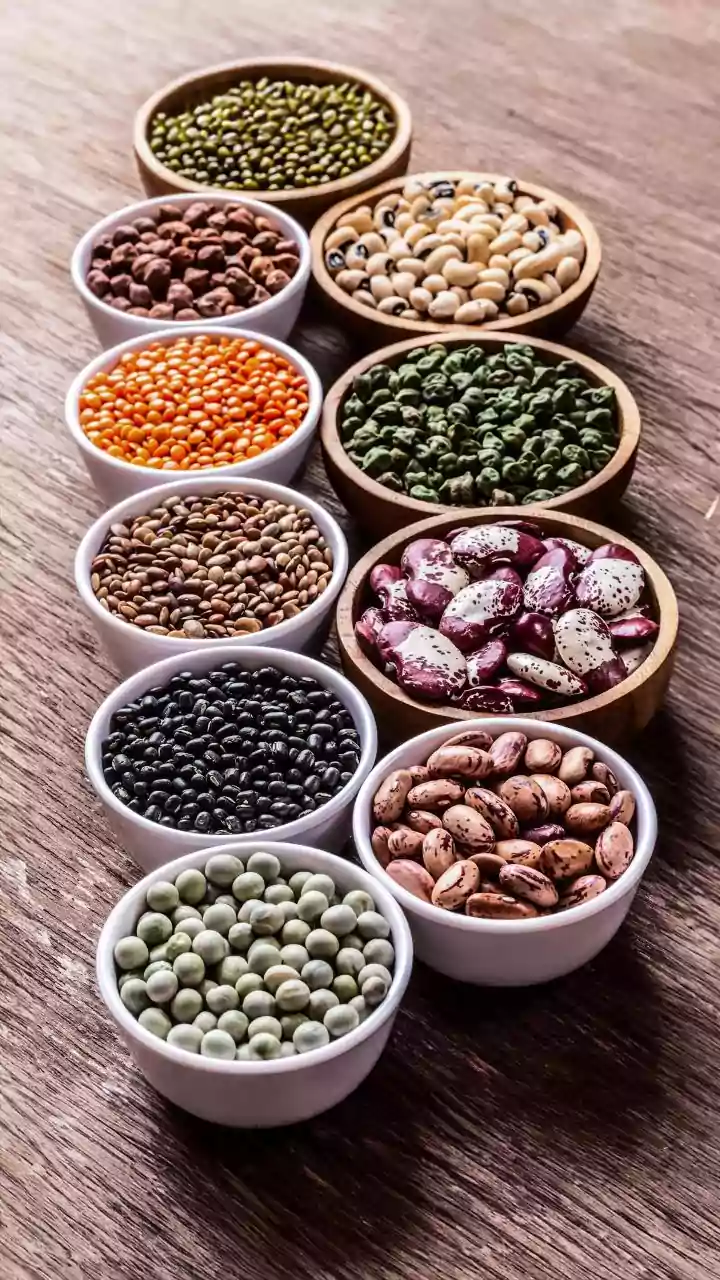
Don't let its small size fool you; horse gram packs a serious nutritional punch. It is exceptionally rich in protein, with content ranging from 18% to over 25%, rivaling many mainstream pulses. It is also an excellent source of dietary fibre, both soluble and insoluble, which aids digestion and promotes a feeling of fullness. Beyond protein and fibre, it boasts higher levels of calcium and iron than many other legumes, alongside essential minerals like phosphorus and molybdenum. With a low fat content and complex carbohydrates that lead to a lower glycemic index, it is a fantastic food for sustained energy release. In an era of expensive, imported superfoods, horse gram stands out as a locally grown, affordable alternative that delivers exceptional value.
A Taste of Tradition Across India
Horse gram’s legacy is deeply woven into India's regional cuisines. In South India, it forms the base of warming, flavourful dishes perfect for cooler weather. Karnataka’s Hurali Saaru is a comforting rasam-like gravy made from horse gram stock, ground coconut, and spices, often enjoyed with steamed rice. Similarly, Tamil Nadu’s Kollu Rasam is a peppery, tamarind-based soup known for its hearty flavour and use in traditional medicine. In the hills of Uttarakhand and Himachal Pradesh, Kulthi or Gahat dal is slow-cooked for hours to make it digestible and nourishing. In Maharashtra, sprouted horse gram is used to make a spicy curry called Usal. These dishes highlight the pulse's versatility and its nutty, earthy flavour that pairs beautifully with Indian spices.
Beyond the Plate: Traditional Health Benefits
For centuries, horse gram has been valued in Ayurvedic traditions for its medicinal properties. It is widely reputed for its role in preventing and helping to break down kidney stones. Traditional texts also note its use for ailments like the common cold, asthma, and bronchitis. Modern research is beginning to explore these benefits, with studies indicating that compounds in raw horse gram may help reduce insulin resistance. Its high concentration of antioxidants and plant-based compounds called polyphenols contribute to its health-promoting properties, which are linked to better heart health and weight management.
Bringing Horse Gram into the Modern Kitchen
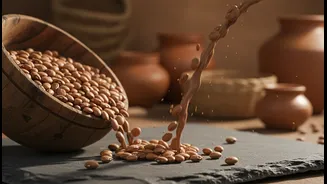
Cooking with horse gram is simple, though it requires a bit of planning. Like kidney beans, the hard seeds need to be soaked for at least eight hours, or overnight, before cooking. After soaking, they must be pressure-cooked for a significant time—often 5-6 whistles or around 20-40 minutes—to become tender. The cooking water, which becomes a nutrient-rich stock, should not be discarded; it’s the flavourful base for many rasam and soup recipes. The cooked beans can be mashed into a dal, stir-fried into a sundal, or used in curries. For those new to this pulse, starting with a simple Kulthi Dal or a flavourful Kollu Rasam is a great way to get acquainted with its unique character.