



Understanding the Stuffiness
Before you can treat it, it helps to know what nasal congestion actually is. It's not just an overproduction of mucus. The primary cause is inflamed and swollen blood vessels in your nasal passages, often triggered by a virus like the common cold, allergies,
or a sinus infection. This inflammation narrows your airways and can trap mucus, making it difficult to breathe through your nose. Common culprits include seasonal allergies to pollen, dust mites, pet dander, or environmental irritants like smoke and strong fumes. In some cases, hormonal changes, certain medications, or even changes in the weather can be to blame.
Gentle, Effective Home Remedies
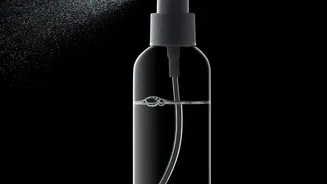
You don't always need to rush to the pharmacy for relief. Some of the most effective methods are also the gentlest and can be done at home. Staying well-hydrated by drinking plenty of fluids, especially warm ones, can help thin mucus, making it easier to clear. Increasing the moisture in your air with a humidifier or by inhaling steam from a hot shower can soothe irritated nasal tissues and reduce swelling. A saline nasal spray or rinse is another excellent first line of defense. This simple saltwater solution helps to moisturize nasal passages, flush out irritants and mucus, and is safe for frequent use. Finally, sleeping with your head slightly elevated can use gravity to your advantage, helping to drain nasal passages while you rest.
Navigating the Pharmacy Aisle
When home remedies aren't quite enough, over-the-counter (OTC) options can help. However, it's crucial to choose wisely. Decongestant nasal sprays containing ingredients like oxymetazoline provide fast relief by shrinking swollen blood vessels. But there's a significant catch: using them for more than three consecutive days can lead to a condition called rebound congestion, where your stuffiness comes back even worse. Oral decongestants can also be effective but may cause side effects like increased blood pressure or dizziness. If your congestion is due to allergies, an antihistamine is often a better choice, as it targets the underlying allergic reaction. If you're unsure, a pharmacist can help guide you to the most appropriate product for your symptoms.
The Truth About 'Miracle' Cures
The internet is filled with promises of instant congestion relief, but it's wise to be skeptical. While some essential oils like eucalyptus might create a cooling sensation that makes you feel like you're breathing easier, there is little scientific evidence they actually reduce nasal inflammation. Similarly, the idea that you can 'cure' a sinus infection with hot fluids is a myth; they can soothe symptoms and help with hydration, but they don't fight the infection itself. The most reliable path to comfort is not through unproven shortcuts, but through consistent, gentle care. Focusing on hydration, moisture, and targeted use of proven OTC remedies is a far more effective strategy than searching for a nonexistent miracle.
When to Consult a Doctor
Most cases of nasal congestion resolve within a week to 10 days with self-care. However, you should seek medical advice if your symptoms persist beyond that period, or if they are accompanied by other concerning signs. Red flags include a high fever, severe facial or sinus pain, or thick, green, or yellow nasal discharge, which could indicate a bacterial infection that may require treatment. You should also see a doctor if you experience congestion after a head injury or if it's a chronic, ongoing problem. A specialist can determine if an underlying structural issue, such as a deviated septum or nasal polyps, is contributing to your breathing difficulties and recommend a proper course of action.