


The Great Himalayan Rain Shield
To understand why Ladakh is a haven during the Indian monsoon, you need to understand its unique geographical advantage. The region is located in a 'rain shadow zone.' As the moisture-laden monsoon clouds travel north from the Indian Ocean, they are blocked
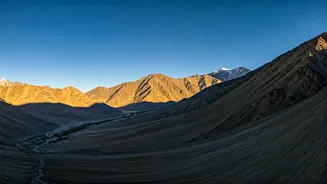
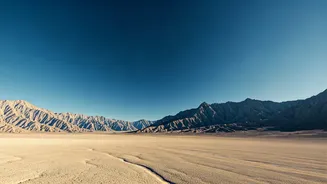
by the towering Pir Panjal and Great Himalayan ranges. These mountains force the clouds to release their rain on the southern slopes, in places like Himachal Pradesh and Uttarakhand. By the time the air currents cross these massive barriers to reach Ladakh, they have lost almost all their moisture. The result is a cold, high-altitude desert that receives minimal rainfall, even as the rest of the country is drenched. This simple meteorological fact is the primary reason why Ladakh’s skies remain brilliantly clear from June to September, offering a stark and welcome contrast to the prevailing weather elsewhere.
A Safer Bet Than Other Hills
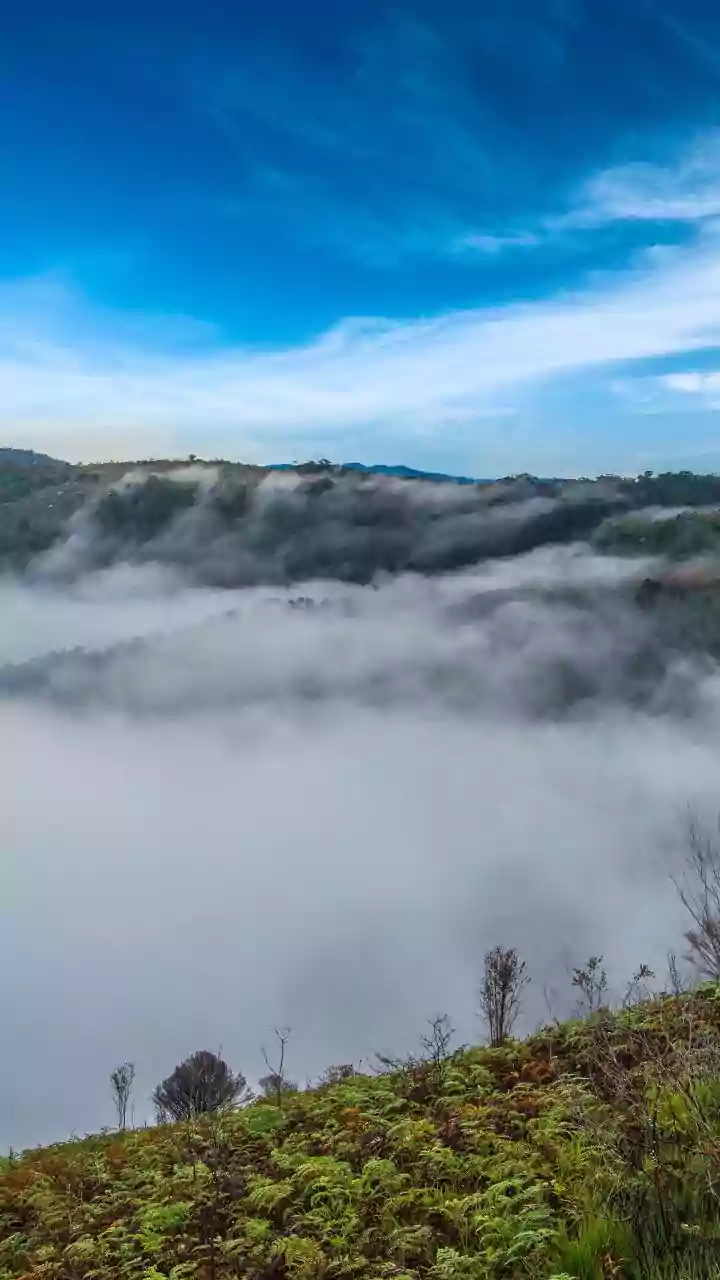
The term 'only' in the headline feels especially true when you consider the alternatives. The monsoon season, while beautiful, makes travel to many other popular Indian hill stations a risky proposition. States like Uttarakhand and Himachal Pradesh often face challenges like landslides, roadblocks, and flash floods, which can disrupt travel plans and pose genuine safety concerns. Many trekking routes are closed, and the constant cloud cover means you miss out on the panoramic mountain views that are the main draw. In contrast, Ladakh’s summer (which coincides with the subcontinent's monsoon) is its peak tourist season. The weather is stable, the major road arteries like the Manali-Leh and Srinagar-Leh highways are open, and the internal road network is at its most reliable for the year. This makes it not just a clear-sky escape, but a significantly more predictable and safer one for those seeking a mountain adventure during this period.
Vistas and Stargazing Unmatched
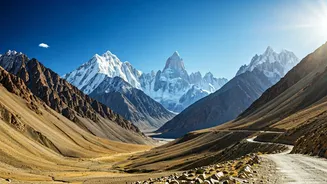
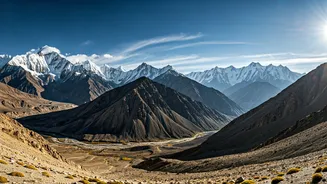
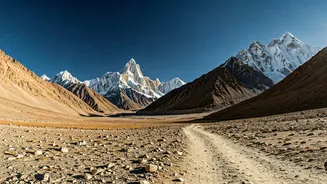
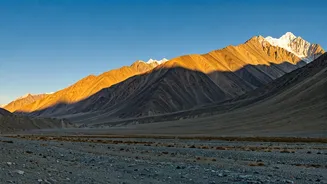
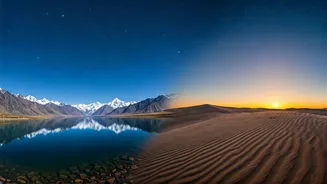
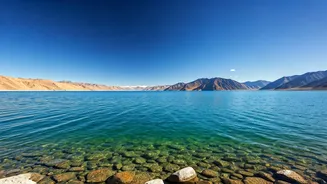
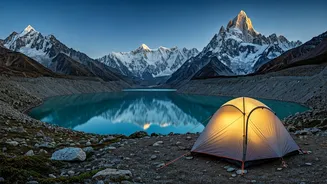
What does a dry, high-altitude climate actually mean for a traveller? It means visual clarity that is almost impossible to find anywhere else in the world, let alone in India during monsoon. During the day, the lack of atmospheric moisture and pollution results in deep blue skies and sharp, vivid landscapes. The barren mountains display a stunning palette of ochre, purple, and brown against the brilliant sky, making it a photographer's paradise. But the real magic begins after sunset. Ladakh is renowned for its incredible stargazing opportunities. With minimal light pollution and cloud-free nights, the Milky Way isn't just a faint band; it's a breathtaking celestial river splashed across the sky. You don't need a telescope to be awed; just looking up from places like Nubra Valley or the banks of Pangong Tso offers a cosmic spectacle that is simply not visible from other parts of the country at this time.
The Peak Season for Adventure
For adrenaline junkies and road trip enthusiasts, this is the golden window. The harsh Ladakhi winter renders many high-altitude passes inaccessible under metres of snow. But from June to September, these legendary passes—including Khardung La, one of the world's highest motorable roads, and Chang La—are open. This is the season for the classic overland journeys that feature on so many bucket lists. Whether you're on a motorcycle, in a 4x4, or on a mountain bike, the conditions are optimal for exploring the region’s vast, dramatic terrain. It’s also the best time for trekking. While other Himalayan trails are slippery and leech-infested, popular treks in Ladakh like the Markha Valley or Stok Kangri (for experienced mountaineers) are in their prime, offering firm ground and reliable weather.
A Vibrant Cultural Tapestry
Beyond the landscapes and adventure, visiting Ladakh during these months offers a front-row seat to its vibrant culture. The summer is when many of the region’s most important monastic festivals, or 'gustors', take place. These festivals, like the famous Hemis Tsechu which usually occurs in June or July, are dazzling displays of ancient traditions. Monks don elaborate masks and colourful silk costumes to perform ritual cham dances, depicting the triumph of good over evil. These events draw locals from remote villages and offer visitors a profound insight into the living traditions of Tibetan Buddhism. The atmosphere is electric, filled with the sounds of long horns, drums, and cymbals. It adds a rich cultural layer to your trip that goes far beyond just scenic beauty, making the journey a truly holistic experience.