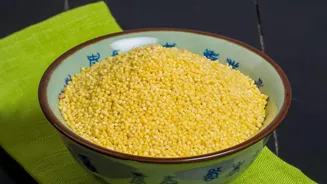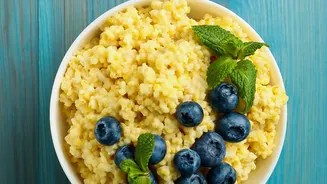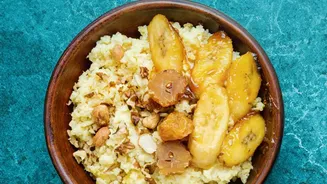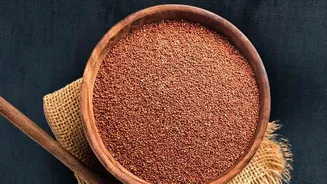





Across India, a quiet revolution is taking place in home kitchens. Ovens are warming up with a new-found respect for ancient grains as home bakers move beyond wheat, unlocking the unique flavours and textures of diverse Indian millets.
A Return to the Roots
Not long ago, the
world of baking seemed dominated by refined flour. Yet, a significant shift is underway, driven by a growing desire for healthier, more sustainable, and distinctly Indian ingredients. Millets, once a staple of our grandparents' generation, are making a major comeback, moving from traditional rotis and porridges into the realm of cakes, cookies, breads, and tarts. This trend is championed by a passionate community of home bakers who are exploring the rich diversity of grains like ragi (finger millet), jowar (sorghum), and bajra (pearl millet). They are discovering that millets are not just a 'healthy substitute' but a star ingredient that brings its own character, flavour, and nutritional prowess to the table.
Unlocking a World of Flavour
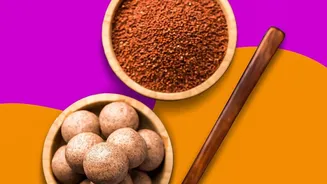
The primary revelation for many bakers is that millets are anything but bland. Each variety offers a unique sensory experience. Jowar, with its creamy-white hue, provides a mild, slightly sweet and earthy flavour, making it a versatile starting point for newcomers. Ragi introduces a deeper, nuttier taste and gives baked goods a beautiful, earthy brown colour, pairing wonderfully with chocolate or jaggery. Bajra, traditionally a winter favourite, has the boldest profile—a robust, slightly bitter, and filling taste that adds complexity to savoury bakes and dense, rustic breads. Home bakers are learning to celebrate these distinct notes, creating everything from ragi chocolate brownies to savoury jowar crackers and bajra-based bread loaves.
Mastering the Millet Method
Baking with millets comes with a learning curve, primarily because most millet flours are gluten-free. Gluten provides the structure and elasticity that makes wheat-based dough rise and hold its shape. Without it, millet bakes can turn out dry and crumbly. But this is where the ingenuity of home bakers shines. They have developed a toolkit of techniques to achieve soft, moist, and delicious results. A common strategy is to blend millet flours with other flours like whole wheat, almond, or oat flour to improve texture. To compensate for the lack of gluten, bakers add natural binding agents like flaxseed powder, yoghurt, mashed bananas, or psyllium husk. Millets also absorb more moisture, so recipes often call for extra liquids to ensure the final product remains soft and doesn't dry out in the oven.
More Than Just a Trend
This movement is about more than just culinary experimentation. It represents a conscious choice towards better nutrition and sustainability. Millets are packed with fibre, protein, and essential minerals like iron, magnesium, and calcium. They have a lower glycemic index compared to refined wheat, which helps in managing blood sugar levels. Furthermore, these ancient grains are often more resilient to drought and require fewer resources to grow, making them an environmentally friendly choice. By choosing to bake with millets, home bakers are not only diversifying their family's diet but also supporting a more sustainable food ecosystem and reviving agricultural traditions.