
Ghent, Belgium: The Lively Alternative
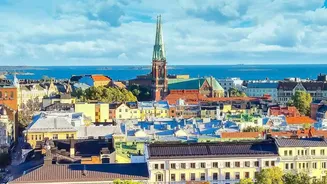
Often living in the shadow of nearby Bruges, Ghent offers a more vibrant and authentic Belgian experience. It boasts all the medieval charm—soaring church spires, a formidable castle, and picturesque canals—but with the added energy of a thriving university
city. The historic centre is a stunning tapestry of Gothic architecture. The Graslei and Korenlei, two quays lining the Leie river, are flanked by magnificent guild houses and are arguably the city's most beautiful spot. For a panoramic view, climb the Belfry of Ghent, a UNESCO World Heritage site that rewards you with a breathtaking perspective of the city below. Don't miss exploring the Patershol neighbourhood, a maze of narrow cobblestone lanes that feels like stepping back in time. Unlike its more famous neighbour, Ghent feels lived-in, with locals filling the riverside cafes and a tangible buzz in the air, making it a perfect blend of history and modern Flemish life. Two or three days is plenty of time to explore the city's highlights and its food scene.
Ljubljana, Slovenia: Europe's Green Gem
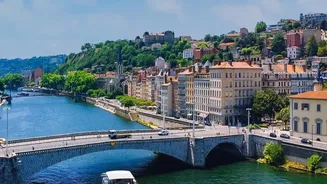
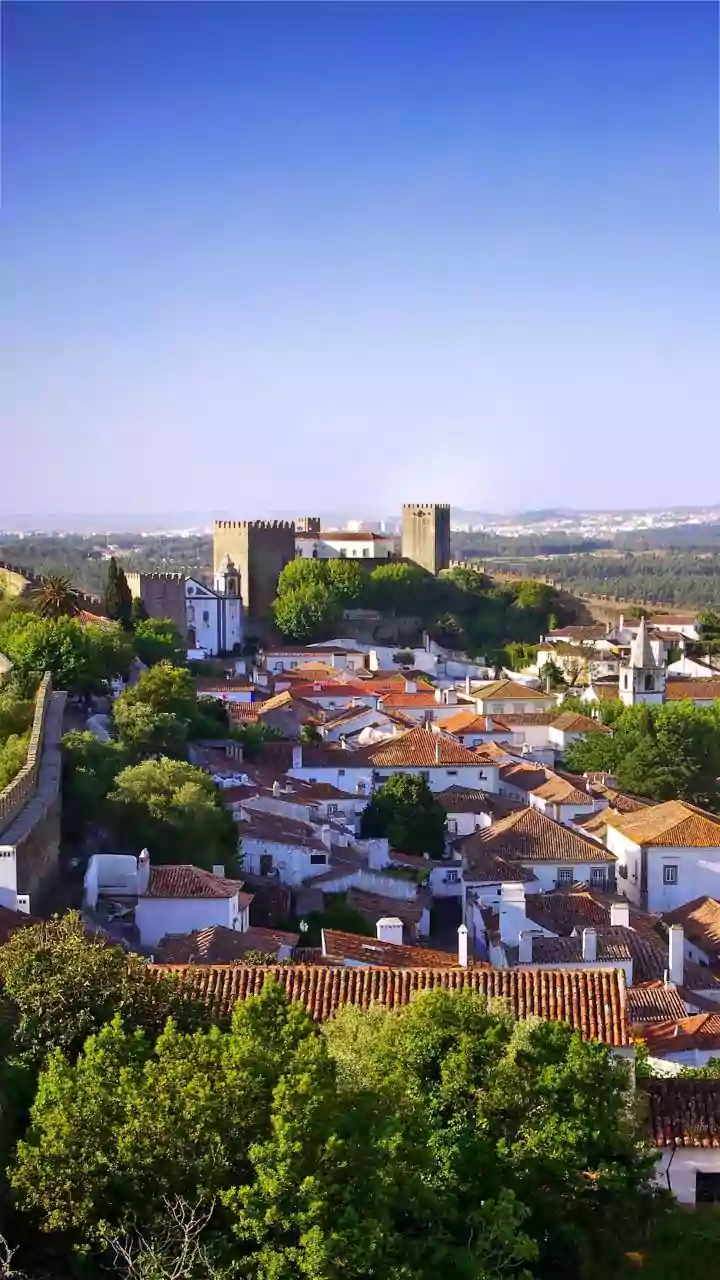
Slovenia's capital is a city that immediately enchants with its relaxed atmosphere and stunning beauty. The Old Town is a pedestrian-only zone of cobblestone streets, pastel-coloured buildings, and elegant bridges crossing the emerald-green Ljubljanica River. Dominating the skyline is Ljubljana Castle, perched on a hill and accessible by a funicular railway, offering sweeping views of the city and, on clear days, the distant Julian Alps. The city's design owes much to the architect Jože Plečnik, who crafted iconic structures like the Triple Bridge and the colonnaded Central Market. The market itself is a lively hub where you can sample local produce and prepared dishes. Full of quirky details, from dragon statues on the Dragon Bridge to hidden courtyard cafes, Ljubljana is exceptionally walkable and feels more like a charming large town than a bustling capital. It’s a perfect base for day trips to famous spots like Lake Bled, but the city itself is a destination worthy of several days of unhurried exploration.
Český Krumlov, Czech Republic: A Bohemian Fairytale
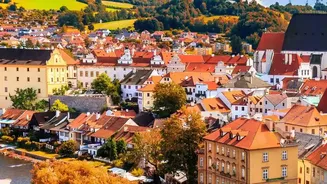
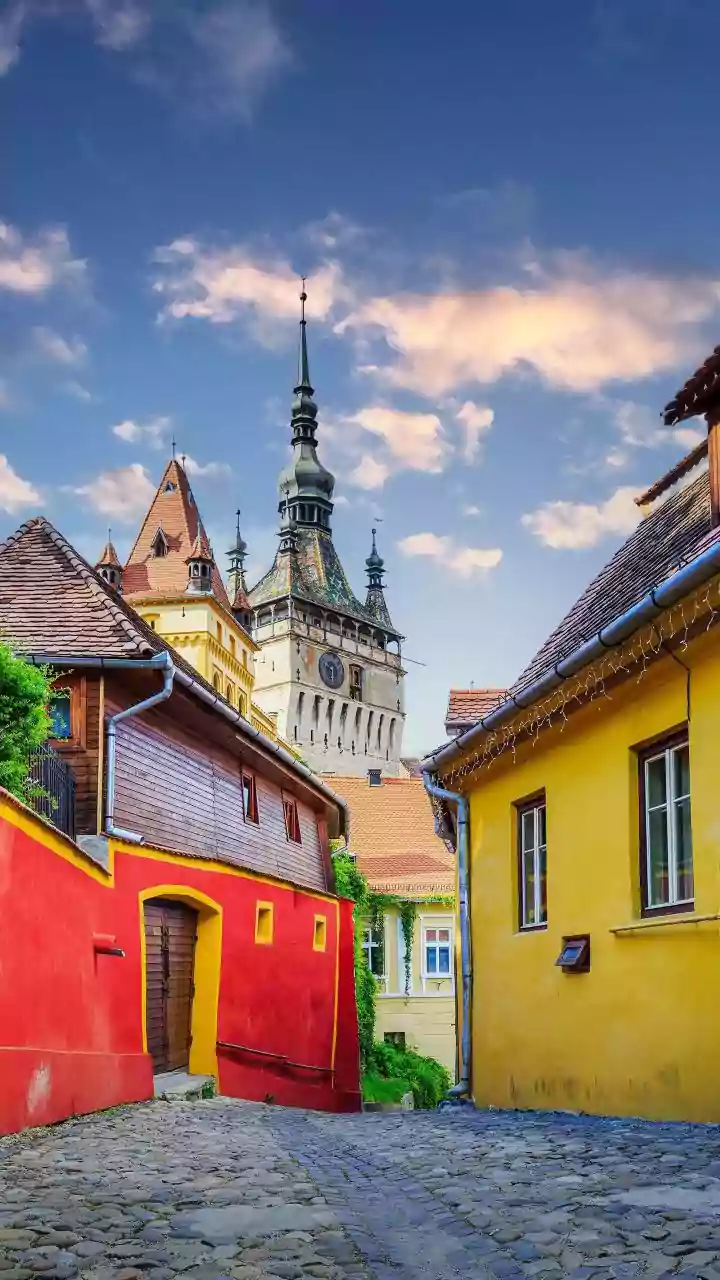
Stepping into Český Krumlov is like walking onto the set of a fairy tale. This UNESCO World Heritage site in South Bohemia is defined by its magnificent 13th-century castle, which is the second largest in the Czech Republic, towering over a horseshoe bend in the Vltava River. The Old Town is a labyrinth of winding, narrow streets, Renaissance and Baroque buildings, and charming town squares. While it's a popular day trip from Prague, the real magic happens in the early mornings and evenings after the tour buses have departed. Staying overnight allows you to experience the town's quiet, atmospheric streets without the crowds. You can explore the castle grounds and courtyards for free, but a tour of the opulent interiors or the remarkably preserved Baroque Theatre is highly recommended. For a different perspective, take a raft or boat trip along the river in the warmer months. The entire town is walkable, making it easy to get lost in its medieval charm and discover picture-perfect views around every corner.
Colmar, France: The Alsatian Storybook
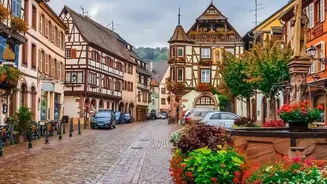
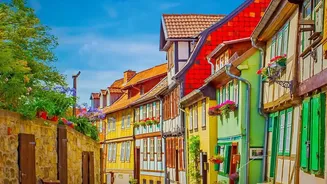
Located in France's Alsace region, Colmar looks as if it were plucked directly from a children's storybook. The city is famous for its incredibly well-preserved Old Town, filled with colourful half-timbered houses and flower-lined canals. The most famous district is 'Petite Venise' (Little Venice), where you can take a boat trip along the canals for a unique viewpoint. Wandering through the cobblestone streets reveals architectural gems like the Maison Pfister, with its ornate wooden gallery and murals, and the imposing Saint Martin's Church. As the capital of the Alsatian wine region, Colmar is also a fantastic destination for food and wine lovers. The Covered Market offers a taste of local delicacies, while numerous 'winstubs' (wine bars) invite you to sample regional varieties like Riesling and Gewürztraminer. Follow the golden triangles on the pavement for a self-guided walking tour that points out key historical sites, including those connected to sculptor Auguste Bartholdi, the creator of the Statue of Liberty.