






The Hidden Power in the Peel
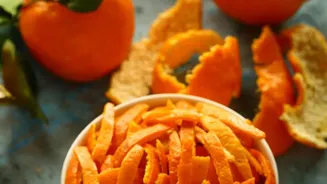
We are conditioned to think of the lemon's value in its juice, but the peel is where much of the nutritional magic resides. Lemon rinds are densely packed with nutrients, containing significantly more vitamin C, fibre, and minerals than the pulp and juice alone.
They are also rich in potent plant compounds called flavonoids and essential oils like limonene, which are responsible for the lemon's characteristic aroma and possess antioxidant properties. By discarding the peel, we lose out on these valuable components. Embracing the entire fruit is not just about reducing waste; it’s about maximising the nutrition we get from our food.
Embracing a Zero-Waste Kitchen
The concept of a 'zero-waste' kitchen might seem like a modern trend, but it has deep roots in traditional Indian cooking. For generations, home cooks have instinctively practiced root-to-stem or nose-to-tail cooking, finding ingenious ways to use every part of an ingredient. Turning vegetable peels into stock, using coriander stems in gravies, or making pickles from citrus rinds are all examples of this resourceful mindset. Making chutney from lemon peels fits perfectly into this philosophy. It is a practical and delicious way to honour your ingredients, save money, and reduce your household's environmental footprint one meal at a time.
What Makes It 'Gut-Friendly'?
The key to the lemon rind's gut-friendly reputation lies in a specific type of soluble fibre called pectin. While you might know pectin as the gelling agent in jams and jellies, in our digestive system it plays a very different role. Pectin is a prebiotic, which means it acts as food for the beneficial bacteria living in your gut. As these good microbes feast on pectin, they produce short-chain fatty acids (SCFAs), which help nourish the cells lining your colon, reduce inflammation, and support a healthy intestinal barrier. By turning lemon rinds into chutney, you are creating a condiment that not only tastes good but actively contributes to a balanced and thriving gut microbiome.
A Simple Sweet and Spicy Lemon Chutney
This recipe transforms the entire lemon into a delightful chutney, balancing the bitterness of the pith with sweet and spicy notes. Using the whole lemon after boiling makes the peel tender and easy to process. Ingredients: - 4-5 small, thin-skinned lemons - 1 cup sugar (adjust to taste) - 1/2 cup water - 2 tablespoons oil (like sunflower or mustard oil) - 1 teaspoon mustard seeds - 1 teaspoon cumin seeds - 2 teaspoons Kashmiri red chilli powder (for colour and mild heat) - 1/2 teaspoon turmeric powder - 1 teaspoon garam masala - Salt to taste Method: 1. Wash the lemons thoroughly. Place them whole in a saucepan with enough water to cover them and bring to a boil. Simmer for 10-15 minutes until the skin is soft and can be easily pierced with a fork. This step is crucial for reducing bitterness. 2. Drain the lemons and let them cool. Once cool enough to handle, chop them into small pieces, making sure to remove all the seeds, as they add significant bitterness. 3. Add the chopped lemons to a mixer grinder and pulse a few times to get a coarse, rough paste. Do not over-blend. 4. Heat the oil in a pan over medium heat. Add the mustard and cumin seeds. Once they begin to crackle, add the lemon paste, salt, turmeric powder, and red chilli powder. Sauté for 3-4 minutes. 5. Add the sugar and 1/2 cup of water. Stir well until the sugar dissolves completely. Let the mixture simmer on low heat for 15-20 minutes, stirring occasionally, until it thickens to a jam-like consistency. The chutney will thicken further as it cools. 6. Stir in the garam masala, cook for another minute, then turn off the heat. Let it cool completely before storing.
Tips for the Perfect Chutney
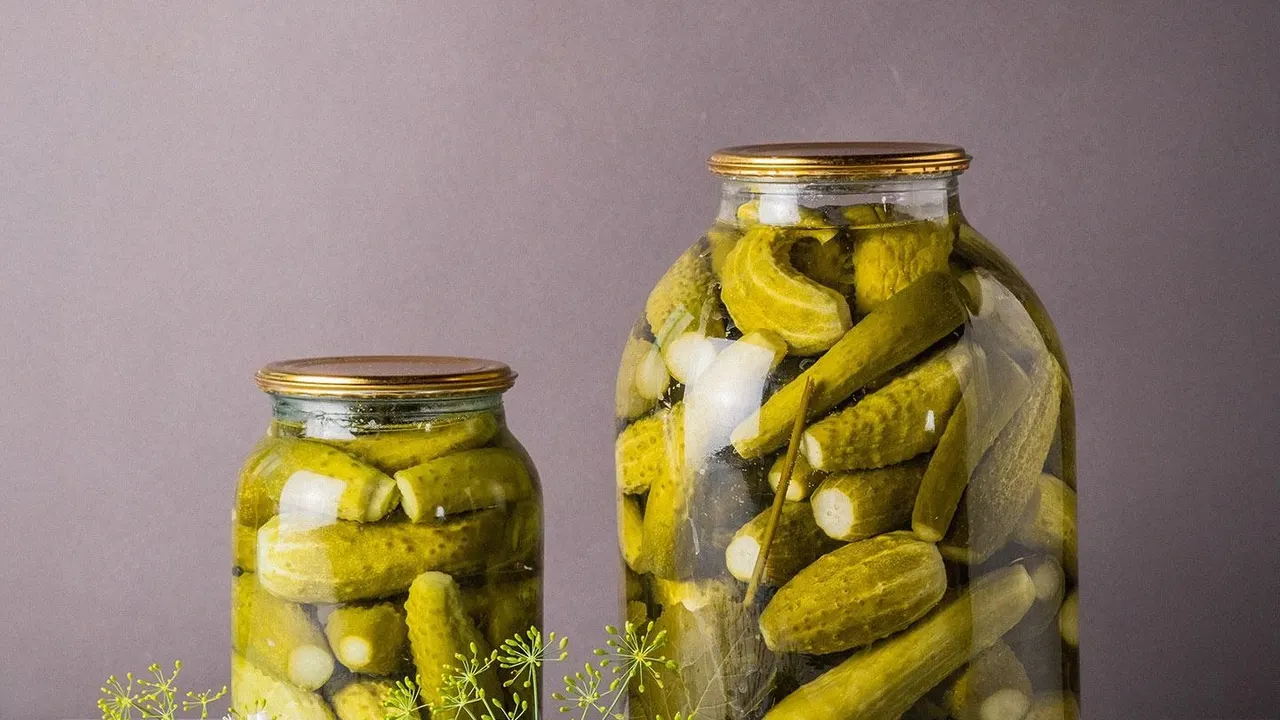
To ensure your chutney is a success, keep a few things in mind. Whenever possible, opt for organic lemons to avoid consuming pesticides that may be present on the peel. If using conventional lemons, give them a very good scrub with a vegetable brush under running water. Thin-skinned lemons, like the small 'nimbu' found in local markets, are ideal as they have less bitter white pith. Tasting and adjusting the sugar and salt at the end of the cooking process is key, as the sourness of lemons can vary. Store the finished chutney in a clean, dry, airtight glass jar in the refrigerator. Thanks to the sugar and the natural acidity of the lemons, it should last for several weeks.