




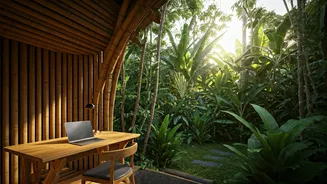


The New Corner Office: A Veranda
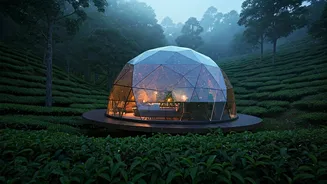
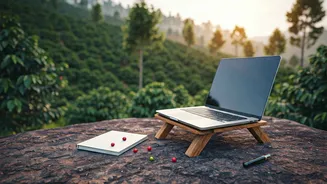
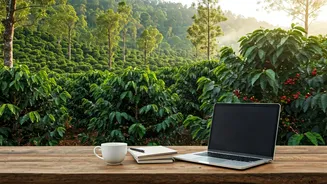
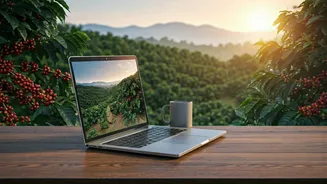
Imagine your morning stand-up meeting, but instead of a whiteboard, your backdrop is a sprawling vista of emerald coffee shrubs under a misty sky. Your coffee break involves a fresh brew made from beans grown a few hundred feet away. This is the new reality
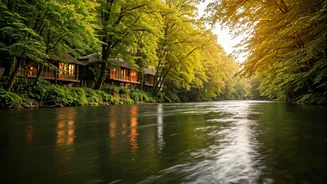
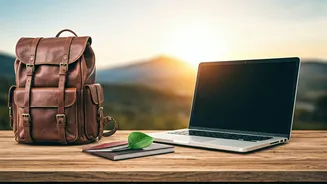
for a growing number of Indian professionals who have traded cramped city apartments and monotonous office routines for the quiet, aromatic embrace of organic coffee estates. In regions like Coorg, Chikmagalur, and the Nilgiris, homestays and boutique resorts nestled within plantations are no longer just for weekend tourists. They have become medium-to-long-stay hubs for coders, writers, designers, and consultants seeking both productivity and peace. The ‘work from anywhere’ revolution, accelerated by the pandemic, has found its most poetic expression amidst the coffee blossoms.
From 'Workation' to 'Work-Lifestyle'
What we're seeing is an evolution beyond the short-term ‘workation’ fad. While a week-long escape to Goa or the Himalayas was an initial reaction to lockdown fatigue, this trend is deeper and more sustainable. Companies across India have now normalised remote or hybrid work, giving employees the genuine freedom to relocate for months at a time. This isn't about blurring the lines between work and holiday; it's about drawing a new, healthier line. Professionals report increased focus due to fewer urban distractions, a creative boost from being in nature, and a significant reduction in burnout. The structured yet serene environment of a coffee estate provides the perfect balance—the discipline of a work routine combined with the restorative power of the outdoors.
A Mutually Beneficial Brew
This migration is proving to be a powerful economic engine for the estates themselves. Traditionally reliant on crop yields and seasonal tourism, many plantations faced uncertainty during the pandemic. By catering to remote workers, they’ve unlocked a stable, year-round revenue stream. They offer packages that include accommodation, all meals, and—most crucially—high-speed Wi-Fi and power backup. It’s a win-win. The professional gets a seamless work environment in an idyllic setting, while the estate owner gets consistent occupancy, even during the off-season. This allows them to invest more in sustainable, organic farming practices, creating a virtuous cycle where the very environment the workers come to enjoy is preserved and enhanced by their presence.
The Practicalities of Paradise
Of course, working from a remote estate isn’t without its challenges, and savvy hosts have been quick to address them. The non-negotiable amenity is reliable internet. Many estates have invested in dedicated fibre optic lines or robust satellite connections to guarantee connectivity. Power cuts, a reality in rural areas, are managed with generators or inverter backups. Beyond the technical needs, the experience is curated. Daily schedules often include communal meals where guests can network, plantation walks led by the owners, bird-watching excursions, and sessions on the coffee-making process from bean to cup. This blend of work infrastructure and authentic local experience is what elevates it from a mere stay to a truly integrated lifestyle.
The Future Is Green and Connected
Is this a niche luxury or the beginning of a broader movement? All signs point to the latter. As more companies embrace location-agnostic policies, the demand for high-quality, long-term remote work locations will only grow. Coffee estates, with their existing infrastructure of homestays and their inherently peaceful atmosphere, are perfectly positioned to meet this demand. This trend represents more than just a new travel vertical; it signals a re-evaluation of our priorities. It suggests a future where productivity isn't measured by hours spent in a cubicle but by the quality of output, and where well-being is not an afterthought but a prerequisite for professional success. The hum of the city is being replaced by the buzz of bees in coffee flowers, and for many, there’s no going back.