

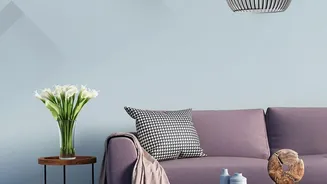

Goodbye Grey, Hello Warmth
The single biggest change in the modern Indian living room is the colour on the walls. The cool grey and stark white palette that dominated for the better part of a decade is finally giving way to a much warmer, more inviting family of colours. Homeowners
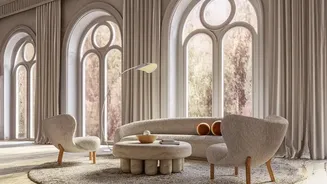
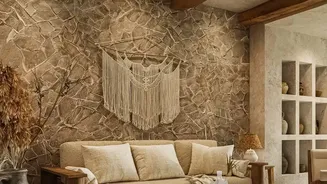
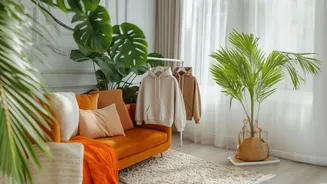
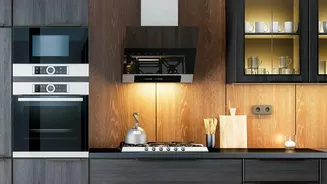
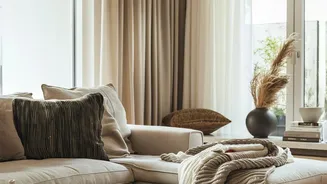
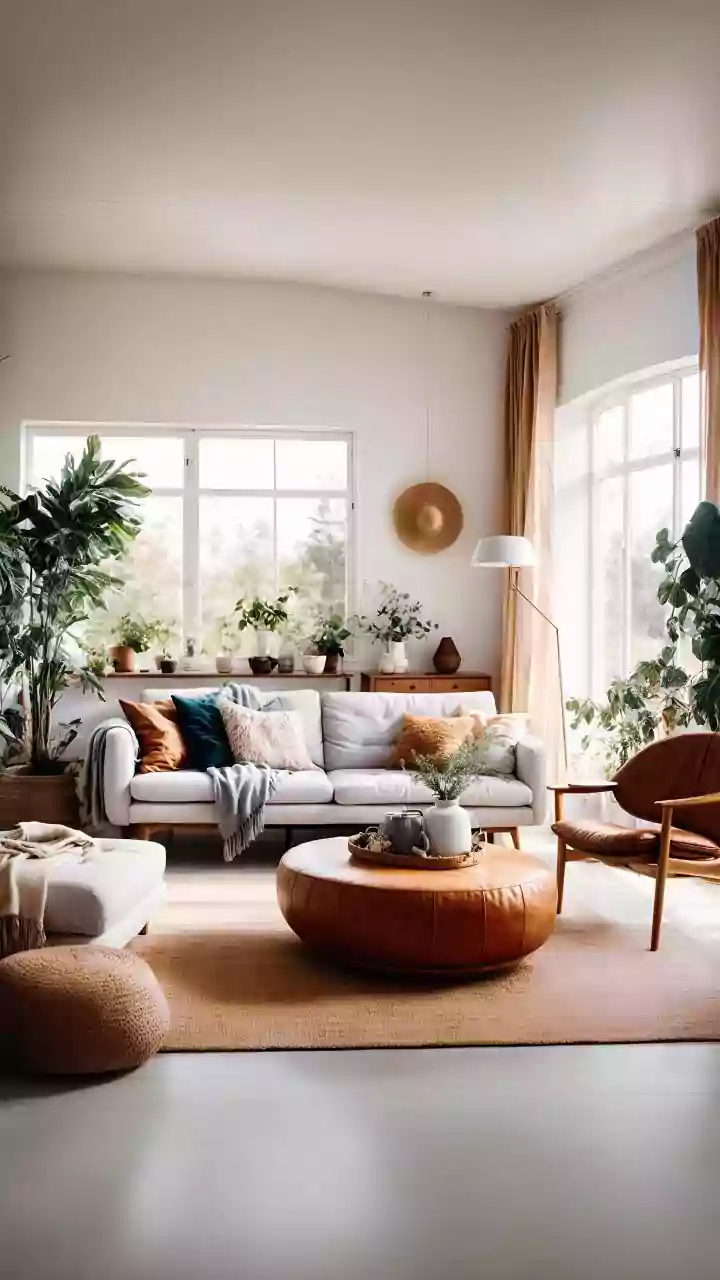
and designers are embracing earthy tones that feel more grounded and respond better to India's strong, warm daylight. Think terracotta, sand, beige, muted browns, and soft olives. These shades, often in matte or limewash finishes, absorb light rather than reflecting it harshly, creating an instant sense of calm and cosiness. This move isn't just about aesthetics; it's a turn towards palettes that are more forgiving in dusty urban environments and pair beautifully with the natural wood furniture that remains a staple in Indian homes.
A Turn Towards 'Softer' Spaces
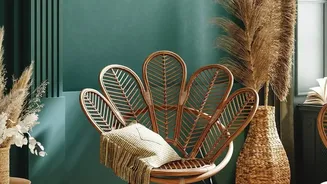
Alongside warmer colours, there's a new emphasis on softness, both literally and visually. Sharp, boxy furniture is being replaced by pieces with rounded silhouettes. Curved sofas, organic-shaped centre tables, and consoles with softer edges are making rooms feel less rigid and more approachable. This trend extends to textiles, which are being used to add tactile richness. Fabrics like bouclé, velvets, linens, and soft cottons are in demand for upholstery and cushions. The goal is to create a room that not only looks comfortable but feels it, too. This focus on touchable textures is a direct departure from the era of high-gloss, untouchable surfaces. It's about creating a space that invites you to lounge and linger.
The Art of Thoughtful Layering
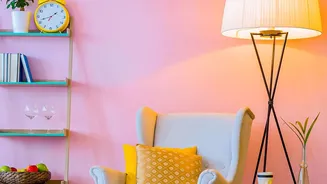
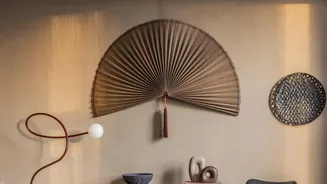
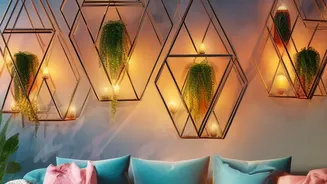
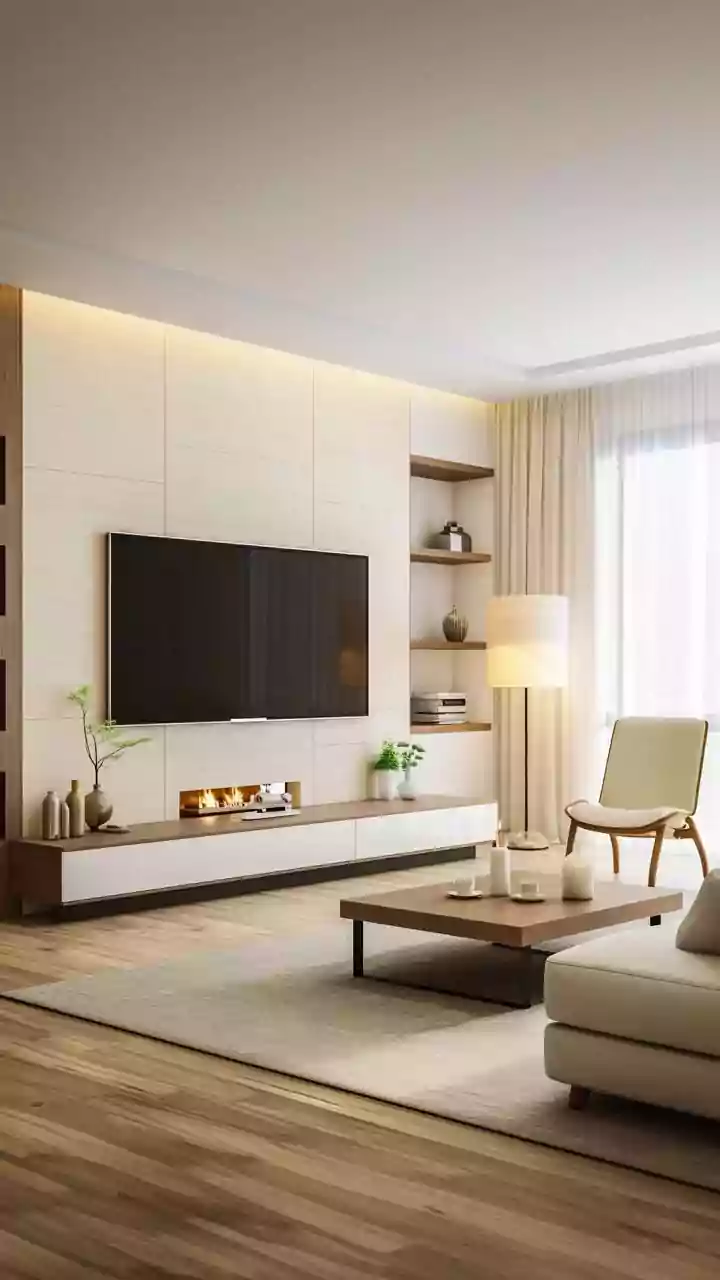
Perhaps the most sophisticated shift is the move towards layered interiors. Instead of a single matching five-piece furniture set, the 2026 living room is a curated mix of items that reflect personal taste. Layering is about creating depth and telling a story. It might mean placing a soft wool rug over a larger jute one, mixing different textures in your cushions, or combining a modern sofa with a traditional, hand-carved side table. Lighting is also being layered, with a mix of ambient, task, and accent lights—like a main ceiling fixture, a reading lamp, and a small lamp on a console—to create mood and functionality. This approach also applies to decor, where textured wall art is replacing generic prints, adding a sculptural, handcrafted element to the room.
Why the Change? A Desire for Comfort and Authenticity
This collective turn towards warmer, softer, and more layered living rooms is not happening in a vacuum. It's part of a broader cultural shift, often called 'warm minimalism' or 'cosy minimalism'. After years of aspiring to picture-perfect, catalogue-style homes, there is a growing desire for spaces that feel authentic, lived-in, and personal. The trend reflects a move away from spaces designed to impress others and towards spaces designed to comfort ourselves. It's about creating a sanctuary from the bustling world outside—a home that feels like a genuine reflection of the people who live there, full of meaningful objects and comforting textures rather than just following a rigid set of design rules.