








The Great Digital Equaliser
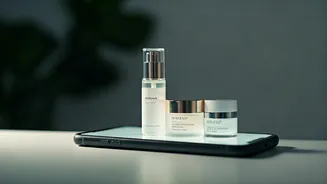
The primary catalyst for this trend isn't a new face cream; it's technology. Affordable smartphones and some of the world's cheapest data plans have effectively erased the geographical barriers that once defined Indian retail. Previously, a young consumer
in, say, Bareilly or Warangal had access only to the limited selection at a local kirana or chemist shop. Today, their phone opens up a virtual mall with thousands of brands, from global giants to homegrown D2C (direct-to-consumer) startups. E-commerce platforms like Nykaa, Myntra, and Purplle report that a significant chunk of their new user growth—sometimes over 50%—comes from non-metro areas. This isn't just about access to products; it's about access to a world of choice that was previously the exclusive domain of urban India.
The Rise of the Relatable Influencer
While Bollywood stars still sell soap, Gen Z’s purchasing decisions are more heavily influenced by a different kind of celebrity: the social media influencer. Crucially, for consumers in non-metro regions, the most trusted voices are not always the macro-influencers with millions of followers. Instead, they turn to regional and micro-influencers who create content in their own languages—be it Tamil, Bengali, or Marathi—and review products that are relevant to their specific climate and skin concerns. These creators feel more like a knowledgeable friend than a distant celebrity. They build communities based on trust and relatability, offering tutorials, ingredient deep-dives, and authentic reviews that resonate deeply with an audience tired of airbrushed, one-size-fits-all advertising.
Aspirations Meet Accessibility
The narrative of 'small town, small dreams' is outdated. Young Indians in Tier 2 and Tier 3 cities have the same aspirations for self-improvement and personal care as their metro counterparts. What has changed is their ability to act on these aspirations. The boom in D2C skincare brands plays a huge role here. These digital-first companies are masters at identifying niche concerns—like acne, hyperpigmentation, or sun damage—and launching targeted, ingredient-focused products at accessible price points. A bottle of niacinamide serum from a D2C brand can cost a fraction of a luxury equivalent, making a sophisticated, multi-step skincare routine financially viable for a college student or a young professional outside the major metros. This combination of high aspiration and affordable innovation is explosive.
From Vanity to a Vocabulary of Wellness
For this generation, skincare is less about vanity and more about wellness and self-care. It's a routine, a ritual, and a form of knowledge. Unlike previous generations who bought products based on brand name alone, Gen Z is an army of amateur dermatologists. They are digitally native researchers who use Instagram and YouTube to learn the difference between hyaluronic acid and salicylic acid. They read ingredient lists, understand percentages, and demand transparency from brands. This savviness means they are no longer dependent on an over-the-counter recommendation. They are empowered consumers who know exactly what they want, and e-commerce is the most efficient way to get it, regardless of their pin code.
The Economic Angle: More Disposable Income
An often-overlooked factor is the economic reality of living outside a major metropolis. While salaries may be lower, the cost of living is significantly less. This can leave young consumers in non-metro areas with a surprisingly high level of disposable income compared to their peers in Mumbai or Delhi, who spend a large portion of their earnings on rent and transport. This discretionary spending is increasingly being channelled into lifestyle categories like fashion, electronics, and, of course, beauty and personal care. Brands have taken note, offering cash-on-delivery, easy returns, and localised customer service to cater specifically to this burgeoning market.