







The Situation by the Numbers
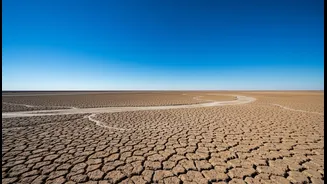
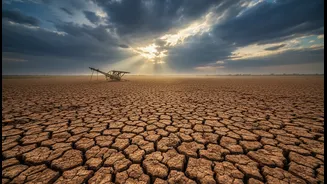
As of early July 2026, Goa is facing a significant monsoon deficit. After a very dry June, recent spells of rain brought some relief but haven't been enough to bridge the gap. According to reports from July 9, the seasonal rainfall deficit stands at 26.7%.
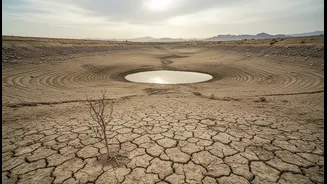
Normally, by this stage, the state would have received around 1225.2mm of rain, but the current seasonal total is only 898.6mm. This shortfall has a direct and visible impact on the state's lifeline: its reservoirs. The Selaulim dam, which supplies much of South Goa, is a key indicator. Traditionally, it overflows by July 7, a celebrated event. This year, it's not expected to spill over until August, a situation last seen in 2016. As of July 7, Selaulim was only at 42.5% capacity, with other dams like Anjunem at a mere 15%.
Why Is This Happening?
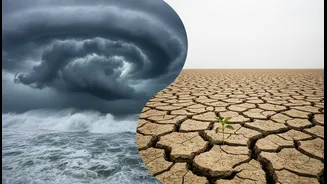
The weak monsoon isn't just a Goan anomaly; it's part of a larger, more complex weather pattern affecting India. The India Meteorological Department (IMD) has noted that while the monsoon has covered the entire country, its distribution has been skewed. Goa is among ten states still reporting a significant deficit. The primary cause is the erratic nature of the monsoon currents this year, potentially influenced by broader climatic factors like El Niño, which often leads to weaker monsoon seasons in India. After a brief period of heavy showers in late June and early July that made farmers happy, the monsoon has weakened again, leading to light, scattered rainfall instead of the sustained downpours needed to recharge groundwater and fill reservoirs. This pattern of intense but short bursts of rain, followed by long dry spells, is becoming a hallmark of a changing climate.
The Ripple Effect Across Goa
The immediate consequences for Goa are serious. The state’s agriculture, particularly paddy cultivation, is heavily dependent on the monsoon. Delayed or insufficient rains disrupt the planting cycle and threaten yields. Beyond the farms, the state's drinking water supply is under pressure. Lower reservoir levels now could mean water scarcity in the summer months of 2027. This also affects tourism. While Goa in the monsoon is a draw for those seeking lush landscapes, a prolonged dry spell alters that experience. Furthermore, the economy, which relies on a predictable environment, faces uncertainty. The lack of steady rain has also led to sultry, humid conditions with temperatures nearly three degrees above normal, making daily life uncomfortable.
The Practical Takeaway for India
Goa's struggle is a microcosm of a challenge facing all of India. The primary takeaway isn't just for Goans to conserve water; it’s a national call to re-evaluate our relationship with this finite resource. What's happening in Goa serves as a powerful reminder that relying solely on a historically predictable monsoon is a gamble we can no longer afford. The situation highlights the urgent need for robust water management infrastructure, including widespread adoption of rainwater harvesting and groundwater recharging. For individuals, it's about conscious consumption. Simple actions, from fixing leaks at home to being mindful of water use on holiday, contribute to a larger culture of conservation. For policymakers, it underscores the need to move from crisis management to proactive planning, investing in technologies like drip irrigation for agriculture and wastewater recycling for urban centers.