



Why Quarantine is Non-Negotiable
A new plant can look perfectly healthy at the shop while secretly harbouring pests like spider mites, mealybugs, scale, or thrips. These common intruders are often invisible in their early stages, and a single infested plant can quickly lead to a home-wide
problem. Quarantining, or isolating a new plant, gives you a crucial window to spot and treat any issues before they spread to your established green companions. Think of it as a small investment of time that protects the larger investment you've made in your indoor garden. Most infestations start with a new addition to the family, making this step the most effective preventative measure you can take.
Set Up Your Isolation Zone
The first step is to establish a quarantine zone. This should be a separate room from your other plants, if possible. Pests like fungus gnats can fly, while others like spider mites can travel short distances between plants, so simply placing a new plant on a different shelf in the same room isn't enough to be considered a meaningful quarantine. A spare bedroom, a bathroom with adequate light, or even a bright laundry room can work well. If space is tight, some experts suggest placing the plant inside a large, clear plastic bag, ensuring it's not in direct sun where it could overheat. The ideal quarantine period is between two and four weeks, with some experts recommending up to six weeks to be absolutely certain no pest life cycles are missed.
The First Detailed Inspection
Once your plant is in its isolation zone, it's time for a thorough check-up. Do this in good light, using a magnifying glass if you have one. Follow a methodical process: start with the top of the leaves, then check their undersides, move to the petioles (the stalks connecting leaves to stems), inspect the main stems, and finally, examine the surface of the soil. Look for specific signs of trouble: fine, silky webbing (spider mites), small white cotton-like tufts in leaf joints (mealybugs), or flat brown bumps on stems and leaves (scale). Silvery streaks on leaves can indicate thrips. Also, check the soil surface for any signs of fungus gnat larvae.
A Welcome Bath and Preventive Care
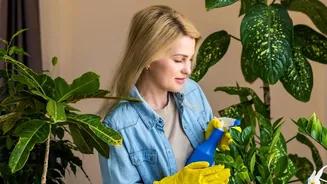
After the initial inspection, give your new plant a gentle cleaning. You can rinse the foliage with lukewarm water or wipe the leaves and stems with a damp cloth. This physically removes dust, debris, and potential hitchhikers. Following the cleaning, it's a good idea to apply a preventative pest treatment. A simple and effective option is a neem oil spray. Mix one to two teaspoons of pure neem oil with a litre of warm water and a few drops of mild dish soap, which helps the oil and water emulsify. Spray the entire plant, making sure to cover the undersides of leaves. Always test the spray on a small, inconspicuous leaf first to ensure the plant isn't sensitive.
The Waiting Game and Weekly Checks
Quarantine is not a 'set it and forget it' process. During the two-to-four-week isolation period, you must perform weekly inspections. Each week, repeat the detailed leaf and soil check to see if any new signs of pests have emerged. Some pest life cycles are longer than others; what wasn't visible in week one may become apparent by week three. For example, spider mite eggs can hatch within a week in warm conditions, while mealybugs have a longer cycle. A four-week quarantine is the safest bet to catch these slower-developing issues. During this time, continue to provide the plant with appropriate light and water.
Graduation Day and a Safe Introduction
If your plant has successfully passed its two-to-four-week quarantine with no signs of pests or diseases, it's ready to graduate. You can now introduce it to the rest of your collection. To be extra cautious, some plant owners recommend a slow integration, placing it near just one or two of your hardiest plants for a few more days before finding its final spot. This methodical approach, from initial isolation and inspection to cleaning and patient observation, is the key to maintaining a vibrant, pest-free collection of houseplants for years to come.