





The Ultimate Comfort Food, Rediscovered
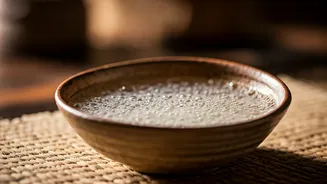
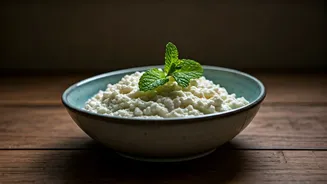
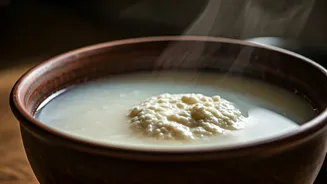
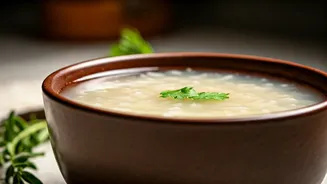
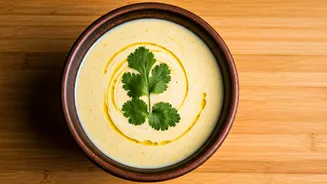
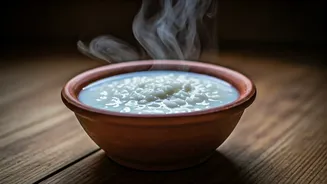
Known by many names—pakhala in Odisha, panta bhat in West Bengal, geel bhat in Assam, and pazhamkanji in Kerala—the concept is beautifully simple: leftover cooked rice is soaked in water and left to ferment overnight. The next day, this slightly sour,
cloudy mixture is seasoned with salt, chillies, onions, or a squeeze of lime and consumed as a cooling, comforting meal. What was once a practical way to preserve food and provide energy for farmers and labourers is now being celebrated by nutritionists and foodies as a natural probiotic powerhouse. This isn't a new invention; it's the revival of ancestral wisdom.
A Tradition Steeped in Sustenance
The history of fermented rice soup is rooted in economy and ecology. In the hot, humid climates of eastern and southern India, letting cooked rice sit overnight was a natural process. Fermentation not only prevented spoilage but also transformed the nutritional profile of the rice. For generations, it was the go-to breakfast or lunch for agricultural workers, providing sustained energy, hydration, and essential nutrients to get them through a day of hard labour under the sun. It was a dish of the people, intrinsically linked to the land and the seasons. Its recent 'comeback' is less a discovery and more a modern re-appreciation of this time-tested culinary heritage.
The Science Behind the Magic
So, what makes this simple dish a gut health hero? The magic lies in fermentation. When rice soaks in water, naturally occurring lactic acid bacteria get to work, breaking down the carbohydrates. This process creates probiotics—live beneficial bacteria that are crucial for a healthy gut microbiome. A balanced microbiome is linked to improved digestion, a stronger immune system, and even better mental well-being. The fermentation process also increases the bioavailability of micronutrients like B vitamins, particularly B12, which is often harder to obtain from plant-based diets. In essence, this humble meal is a naturally occurring synbiotic: it contains both probiotics (good bacteria) and prebiotics (the starchy rice that feeds them).
Why The Comeback Now?
The renewed interest in fermented rice soup is driven by several modern trends. Firstly, the global wellness movement has placed a huge emphasis on gut health, sending consumers in search of natural, food-based probiotic sources instead of just pills and supplements. Secondly, there is a growing movement towards 'hyperlocal' and traditional foods, as people look to reconnect with their culinary roots and embrace sustainable eating practices. Chefs are featuring modern interpretations on their menus, and nutritionists are championing it as a superior alternative to packaged probiotic drinks. Social media has also played a massive role, with food bloggers and health influencers sharing the benefits and beauty of this simple dish with a new generation.
More Than Just Probiotics
While gut health is the main draw, the benefits don't stop there. Fermented rice water is an excellent hydrator, making it a perfect meal for hot summer days. Traditionally, it's known for its cooling effect on the body. It’s light on the stomach and easy to digest, which is why it’s often recommended as a restorative food for those recovering from illness. The simple seasonings—raw onion, green chillies, mustard oil, and curd—not only add flavour but also bring their own antibacterial and digestive benefits. It’s a complete, nourishing meal that embodies the principle of 'food as medicine' in its most authentic form.