






What Exactly is Being Proposed?
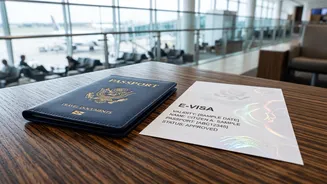
At the recent India-ASEAN Summit in Manila, Prime Minister Narendra Modi announced a plan to grant free electronic tourist visas to citizens of all 11 Southeast Asian countries. It's important to note this is a visa-fee waiver, not visa-free travel. This
means eligible tourists would still need to apply for an e-visa online through the official Indian portal, but they would not have to pay the government fee associated with the application. The proposal is one of several initiatives aimed at strengthening India's 'Act East' policy and deepening its strategic partnership with the region.
Which Countries Are on the List?
The proposal covers all 11 member states of the Association of Southeast Asian Nations (ASEAN). This comprehensive list includes Brunei, Cambodia, Indonesia, Laos, Malaysia, Myanmar, the Philippines, Singapore, Thailand, Timor-Leste, and Vietnam. The move aims to create a more consistent and welcoming visa policy for the entire regional bloc, which represents a significant source market for inbound tourism to India.
How Is This Different from the Current System?
India's current e-visa fee structure for ASEAN nations is varied. In fact, five of the 11 countries already enjoy some form of fee waiver. Citizens of Indonesia and Myanmar can get 30-day, one-year, and five-year e-tourist visas for free. Meanwhile, travellers from Malaysia, the Philippines, and Thailand already receive free 30-day e-tourist visas, but must pay for longer durations. The remaining six countries—Brunei, Cambodia, Laos, Singapore, Timor-Leste, and Vietnam—currently pay fees that range from US$10 to US$25 for a 30-day e-visa, depending on the season, and more for longer-term visas. The new proposal would harmonize this by extending the fee waiver to all 11 nations, simplifying the cost structure significantly.
The Strategy Behind the Welcome
This visa fee waiver is a strategic move to boost India's tourism sector, a vital part of the economy. By removing the cost barrier, India hopes to attract a greater number of tourists from the fast-growing economies of Southeast Asia. The move is particularly significant for promoting travel to India's Buddhist circuit, a major draw for visitors from countries like Thailand, Cambodia, Vietnam, and Myanmar. Furthermore, it aligns with broader government initiatives like 'Heal in India', which seeks to promote the country as a hub for medical and wellness tourism. Easier visa access is a critical component of making India a more competitive global destination.
More Than Just Tourism
Beyond the immediate economic benefits of increased tourism, this proposal is a key diplomatic gesture. It underscores India's commitment to its Act East policy, which prioritises deeper engagement with Southeast Asia. By facilitating easier people-to-people contact, India aims to strengthen cultural, social, and economic ties with its neighbours. The announcement was made alongside other proposals for cooperation in areas like cybersecurity, disaster management, and critical minerals, signaling a multi-faceted approach to regional partnership. The year 2027 will mark the 35th anniversary of India-ASEAN relations, and this move helps set a cooperative tone for the milestone.
What Happens Next?
While the proposal has been made by the Prime Minister, an official implementation date and specific eligibility details have not yet been announced. Typically, such proposals require coordination between several government bodies, including the Ministry of Home Affairs and the Ministry of External Affairs, before they come into effect. The government has also recently announced a major overhaul of its entire visa system to make it more user-friendly, reducing the number of categories and simplifying application forms. This fee waiver proposal for ASEAN nations is a part of that larger trend. For now, the existing visa rules and fees remain in place until an official notification is issued.