





The Final Tariff Structure
The most critical element to watch is the final, product-specific tariff schedule. While a framework agreed upon in February 2026 lowered the general US reciprocal tariff on many Indian goods to 18%, the devil is always in the details. The ongoing talks
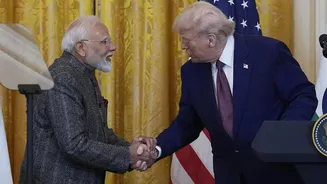
are finalising the legal drafting and technical specifics that will determine the exact duties for thousands of products. US President Donald Trump has hinted that the resulting agreement will be a 'much different kind of deal' than past pacts. Exporters in sectors like textiles, engineering goods, and pharmaceuticals should watch for official announcements detailing concessions for their specific Harmonized System (HS) codes. These final rates will determine the real-world cost competitiveness of Indian products in the US market, which remains India's largest export destination.
Competitive Advantage Over Rivals
A core demand from New Delhi has been that any deal must provide Indian exporters with a competitive advantage, or at least parity, with rival exporting nations like Vietnam, Bangladesh, and Indonesia. Indian Commerce Minister Piyush Goyal has stated that India will only finalise the deal if this condition is met. For businesses, this is the most important strategic benchmark. It’s not enough for tariffs to be lowered; the key question is whether they will be lower than, or equal to, those faced by key competitors. Tracking the final agreement's terms against existing US trade deals with other Asian nations will be essential for forecasting market share and pricing strategies.
Non-Tariff Barriers and Rules of Origin
Beyond duties, the agreement is expected to address non-tariff barriers, which can be just as costly and complex as tariffs themselves. This includes regulatory standards, import licensing procedures, and customs facilitation. A particularly vital area to monitor will be the 'rules of origin'. These rules dictate what percentage of a product must be manufactured or sourced from India to qualify for the preferential tariff rates under the new deal. For exporters who rely on global supply chains for raw materials or components, understanding these specific rules will be crucial to ensure their products are compliant and can benefit from the agreement.
The Digital Trade Chapter
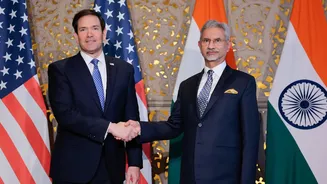
As part of the February 2026 framework, India committed to negotiating a robust set of bilateral digital trade rules. This is a significant development for India’s burgeoning tech and services export sectors. Key provisions will likely address cross-border data flows, data localisation requirements, and other barriers to digital trade. While official statements from the recent dialogues led by US Secretary of State Marco Rubio and Indian External Affairs Minister S. Jaishankar have focused on the broader deal, the final text on digital trade will have long-term implications for India's IT, SaaS (Software as a Service), and digitally-enabled service exporters.
Strategic Sector Alignments
The trade talks are not happening in a vacuum; they are part of a wider strategic alignment between the two nations. Discussions have consistently included cooperation in critical minerals, defence, energy, and semiconductors. The agreement is expected to include a commitment from India to purchase over $500 billion in US energy, technology, and other products. Indian businesses in these strategic sectors should watch for new partnership opportunities, joint ventures, and supply chain integration initiatives that may arise from the deal. Conversely, India's continued energy relationship with Russia remains a sensitive diplomatic point that could influence the broader relationship, even as the trade deal moves forward.