


The Twin Challenges of EVs
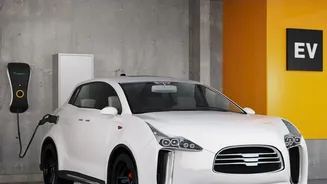
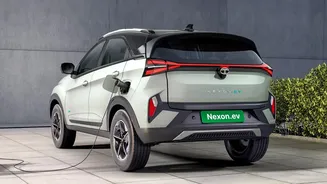
Electric vehicles are a critical part of a cleaner energy future, but the lithium-ion batteries that power them have a complicated story. These batteries rely on flammable liquid electrolytes to function, which, in rare cases of damage or overheating,
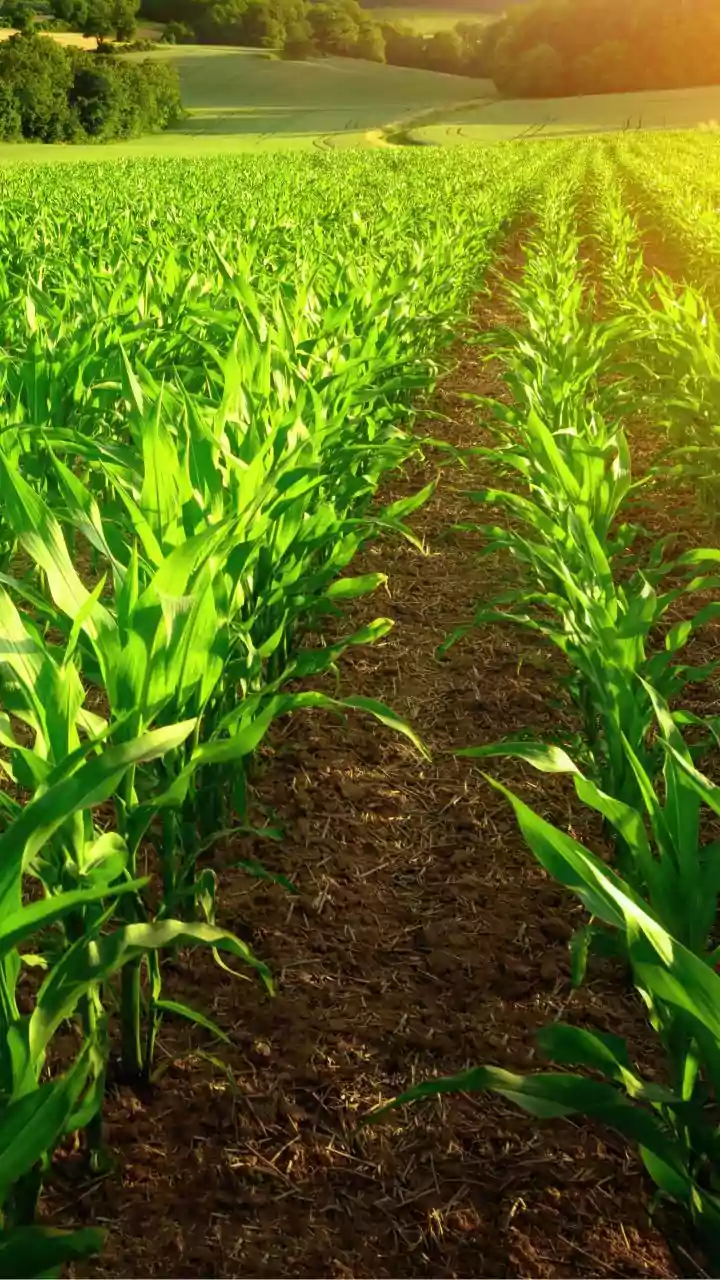
can lead to dangerous fires that are difficult to extinguish. This has raised safety concerns among consumers and manufacturers alike. Beyond safety, the batteries depend on mined materials like lithium and cobalt, the extraction of which carries a significant environmental and social cost. At the same time, the agricultural industry faces a massive waste management problem, with millions of tonnes of byproducts like rice husks, sugarcane bagasse, and wood residue produced annually. This waste is often burned or left to decompose, contributing to air pollution and greenhouse gas emissions.
A Breakthrough from the Biomass
What if these two problems could solve each other? That is the question researchers around the world are answering with a resounding yes. Scientists are developing new types of batteries that replace critical components with materials derived from agricultural waste. The focus is on materials like lignin—a complex polymer that gives plants their rigidity—and cellulose, the most abundant organic compound on Earth. Both are found in vast quantities in leftover crop waste. These plant-based components are being engineered to create electrodes and, crucially, new types of electrolytes that are fundamentally safer and more sustainable than their conventional counterparts.
How Plant Power Works
The key to this innovation lies in replacing the flammable liquid electrolyte with a solid or gel-based one made from plant polymers. Electrolytes are the gatekeepers inside a battery, allowing ions to flow between the positive and negative electrodes to generate electricity. In many new designs, lignin or cellulose is processed into a hydrogel or a solid film. This material is not only non-flammable but also remarkably stable at high temperatures, significantly reducing the risk of fire. Some research shows lignin-based separators remain stable up to 300 degrees Celsius, whereas traditional plastic separators can fail near 100 degrees Celsius. This bio-based barrier physically prevents the electrodes from touching and short-circuiting, making the battery inherently safer.
More Than Just Fire Safety
The benefits of using agricultural waste extend far beyond preventing fires. By creating valuable materials from what was once considered trash, this technology aligns with the principles of a circular economy. It provides a potential new revenue stream for the agricultural sector and reduces the need for landfilling or burning waste. Furthermore, these bio-based batteries reduce our dependence on critically strained supply chains for materials like lithium, cobalt, and graphite. Researchers are developing promising batteries using more abundant and cheaper metals like zinc and potassium, paired with plant-based components. Many of these new materials are also biodegradable, addressing the long-term challenge of battery disposal and recycling.
The Road from Lab to Highway
While the promise is enormous, this technology is still in its early stages. Most of these innovations are currently at the laboratory or pilot scale. Key challenges remain, including improving the energy density and cycle life to match the performance of today's best lithium-ion batteries. The cost and scalability of processing agricultural waste into high-purity battery components also need to be addressed to make them commercially viable. However, the progress is rapid. Some studies have already demonstrated impressive performance, such as maintaining capacity over thousands of charging cycles. As investment grows and the technology matures, these plant-powered batteries could begin to appear in smaller devices before eventually making their way into our electric vehicles, making them not only greener to drive but greener to build.