






1. Underpasses and Low-Lying Roads
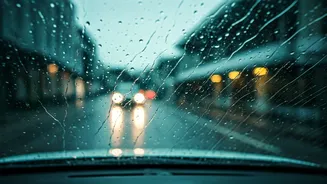
During a downpour, these areas are often the first to flood, turning into treacherous water traps. A few inches of water can stall a car engine, while deeper levels can sweep away two-wheelers and even pose a risk of drowning. The danger isn't just the water itself;
submerged potholes, open manholes, and live electrical wires from damaged streetlights create a cocktail of hazards. Before heading out during heavy rain, check local traffic updates or use navigation apps that show flood-prone routes. If you approach a waterlogged underpass and are unsure of the depth, it's always safer to turn back and find an alternative route. Never try to drive or walk through fast-moving water.
2. Construction Sites and Open Pits
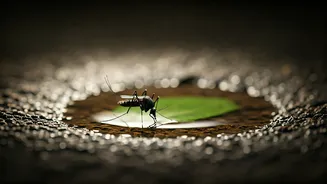
Developing cities are dotted with construction sites, which become major problem areas in the monsoon. Excavation pits, trenches, unused barrels, and stacks of building materials all collect rainwater, creating perfect breeding grounds for Aedes aegypti mosquitoes, the carriers of dengue and chikungunya. These sites are often poorly secured, posing a direct physical threat to pedestrians, especially children, who might accidentally fall into water-filled pits. The stagnant water can remain for weeks, allowing mosquito populations to explode and affect entire neighbourhoods. It's best to avoid walking near these sites, particularly after dark, and report any large, unattended collections of water to your local municipal body.
3. Your Balcony, Terrace, and Garden
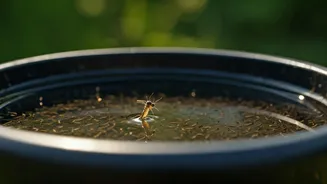
The most overlooked danger spots are often within our own homes. Mosquitoes don’t need a lake to breed; a bottle cap full of water is enough. During the monsoon, pay close attention to flowerpot saucers, discarded tyres, air cooler trays, and any containers left in the open that can collect water. Clogged roof gutters and terrace drains can also lead to water accumulation. Health authorities recommend observing a weekly 'Dry Day'—a dedicated day to empty, dry, and clean any and all containers that hold water. This simple, 15-minute routine is one of the most effective ways to prevent mosquito-borne diseases from taking root in your home.
4. Clogged Drains and Potholes
Our city streets are a minefield of hidden dangers during the monsoon. Water-filled potholes can cause serious accidents for two-wheeler riders and damage to cars. For pedestrians, they present a risk of twisted ankles or falls, especially when concealed by muddy water. Worse still are the clogged drains that cause dirty, contaminated water to overflow onto the streets. This water is a mix of rainwater and sewage, teeming with bacteria and viruses that can cause skin infections, leptospirosis, and other water-borne illnesses if it comes into contact with cuts or wounds. Walk carefully, wear protective footwear, and try to stay on well-lit paths to spot these hazards.
5. Vacant Plots and Garbage Dumps
Neighbourhood vacant lots and informal garbage dumps are a significant public health menace during the rains. Discarded plastic bags, cups, coconut shells, and tyres collect water and become mass breeding sites for mosquitoes. These unmanaged areas allow pests to thrive and spread diseases across a wide radius. While you may not be able to clean an entire plot yourself, you can ensure that waste from your own household is disposed of correctly in covered bins. You can also work with your Resident Welfare Association (RWA) or local community groups to organise clean-up drives or pressure civic authorities to clear these plots and enforce rules against illegal dumping. Community vigilance is key to managing these large-scale threats.