






The New Face of the Monsoon
The traditional image of a steady, season-long monsoon is becoming a thing of the past. While the total volume of rain across the four-month season may be decreasing in many parts of India, the pattern of that rainfall has turned erratic and dangerous.
Scientific studies confirm a significant shift since the mid-20th century: the monsoon is now characterized by longer dry spells punctuated by short, extremely intense bursts of rain. Instead of receiving moisture distributed over weeks, regions are getting a huge percentage of their seasonal quota in just a few hours or days. This leads to a dual problem of water scarcity during the long dry periods and catastrophic flooding when the deluge finally arrives.
From Downpour to Disaster
These short-duration, high-intensity rainfall events are the primary culprit behind the recent surge in floods. A warmer atmosphere, a direct consequence of climate change, can hold more moisture. This leads to heavier downpours when it does rain. For every degree Celsius of warming, monsoon rainfalls are projected to increase by about 5%. When this immense volume of water is released in a concentrated period, it simply cannot be absorbed by the ground or contained by natural and man-made drainage systems. Rivers that are otherwise manageable suddenly swell beyond their danger marks, and low-lying areas are quickly submerged, leading to the kind of widespread flooding recently seen in states like Bihar and Uttar Pradesh.
Our Cities Aren't Sponges Anymore
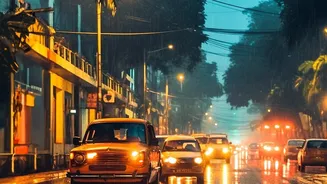
The problem isn't just the sky; it's also the ground beneath our feet. Rapid and often unplanned urbanization has transformed our cities into concrete jungles that are incapable of handling water. Natural sponges like wetlands, lakes, and soil have been paved over for roads, buildings, and parking lots. These impervious surfaces prevent rainwater from percolating into the ground, forcing it to become surface runoff. This runoff overwhelms outdated and poorly maintained stormwater drains, many of which were designed decades ago for much lower rainfall intensity. Clogged with plastic and solid waste, these drainage systems frequently fail, turning a heavy shower into a city-wide waterlogging crisis.
The Climate Change Connection
The chaotic nature of today's monsoon is a clear signature of global climate change. Warming in the Indian Ocean and Arabian Sea is altering temperature and pressure gradients that have historically driven the monsoon. This disrupts the steady, predictable flow of moisture-laden winds. The result is a more volatile and unpredictable weather system. Scientists have observed that while aerosol pollution may have temporarily suppressed rainfall in the past, the overwhelming effect of greenhouse gas-induced warming since the 1980s is now the dominant force, making the monsoon stronger in intensity but more erratic in its behaviour.