

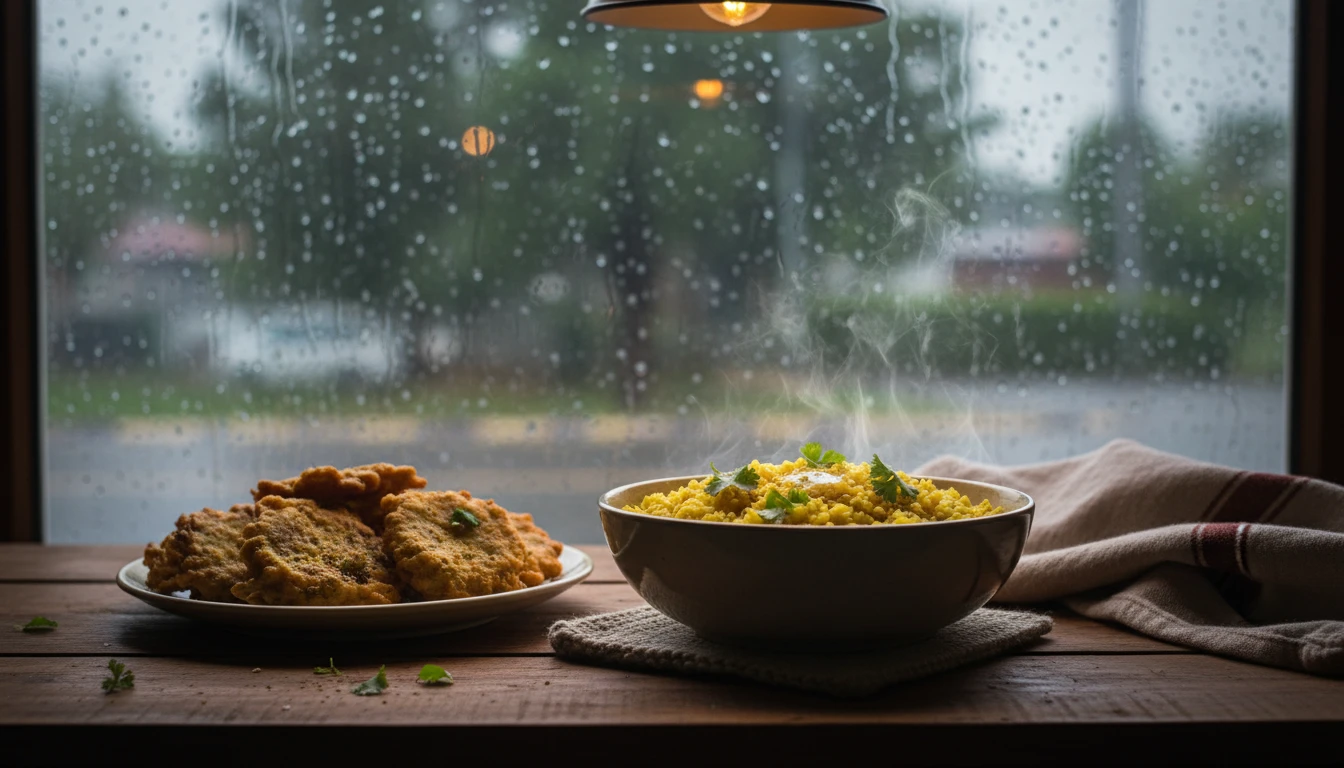


The Monsoon-Memory Connection
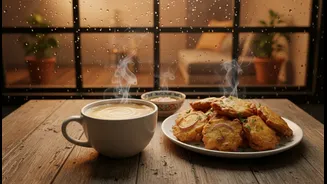
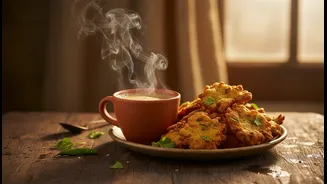
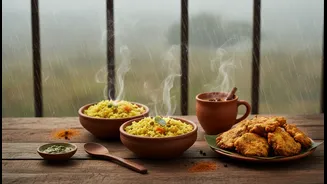
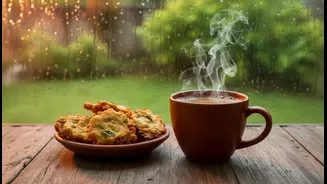
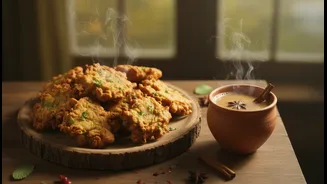
There’s a reason the craving for chai and pakoras feels so automatic when the sky turns grey. For many, the association is built over years of childhood memories: gathering by the window to watch the rain, the sound of sizzling fritters, and the comfort
of a warm cup of tea. Psychologists call this associative learning, where the brain links the sensory experience of rain with the comforting feeling of these specific foods. There is also a physiological component. The dip in temperature makes our bodies crave warm, high-energy foods. Furthermore, the lack of sunlight can cause a drop in serotonin, the body's 'happy hormone', and consuming carbohydrates and fatty foods can provide a temporary boost.
Mastering the Perfect Masala Chai
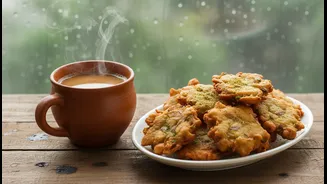
A truly great cup of masala chai is a balance of strong tea, creamy milk, and aromatic spices. To start, you'll need a base of black tea, typically a robust Assam. The essential spices include crushed green cardamom, cloves, cinnamon, and black peppercorns. Freshly grated ginger is a must for that signature warming kick. A common method is to first bring water to a boil with the crushed spices and ginger. This step is crucial as it infuses the water and also neutralizes enzymes in the ginger that could curdle the milk. After letting the spices and tea leaves simmer for a few minutes, add the milk and bring it all to a final boil. The ideal milk-to-water ratio is a matter of personal preference, with 1:1 being a popular choice for a balanced, creamy cup.
The Art of the Crispy Pakora
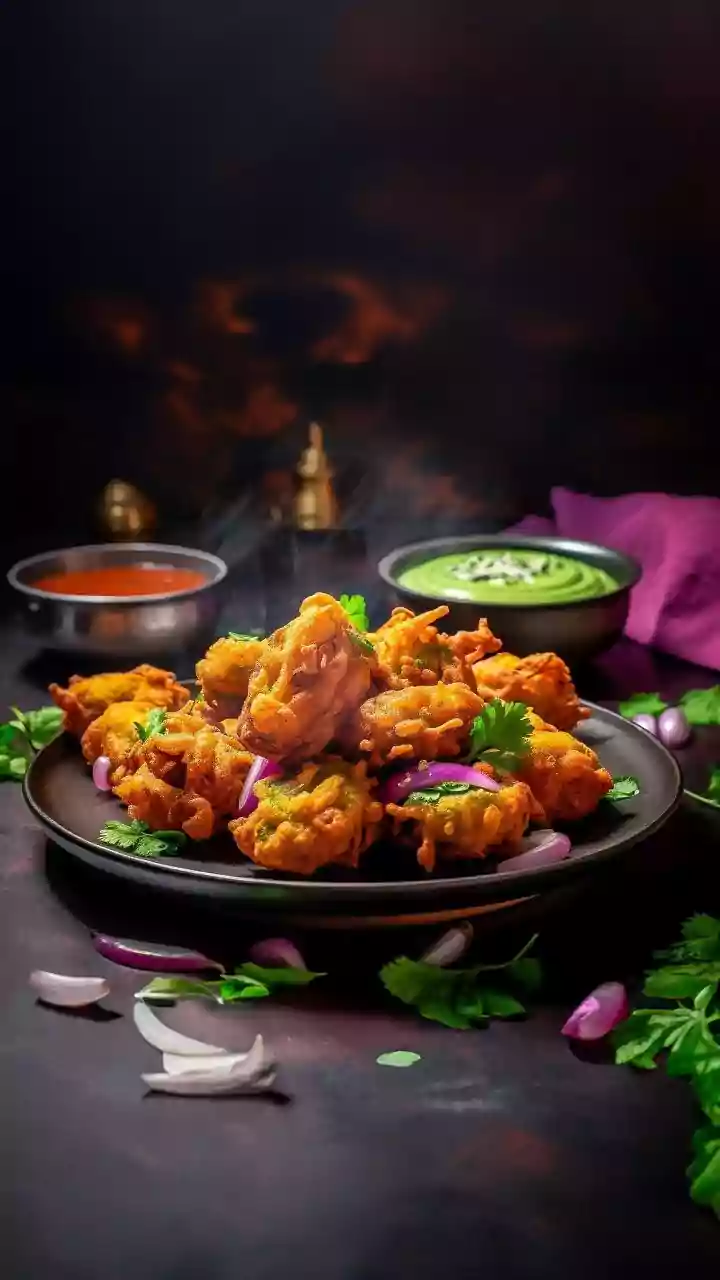
The secret to a perfect pakora—crispy on the outside, fluffy and flavourful on the inside—lies in the batter and the frying technique. The base is besan, or gram flour, which is naturally gluten-free. A key tip for achieving extra crispiness is to add a tablespoon or two of rice flour or cornstarch to the besan. Another trick is to use cold water for the batter, which helps create a light texture and prevents the fritters from soaking up too much oil. The batter should be thick, not watery, as the vegetables will release their own moisture. Finally, adding a spoonful of hot oil to the batter just before frying creates a crispier exterior.
Beyond the Classic Onion Bhaji
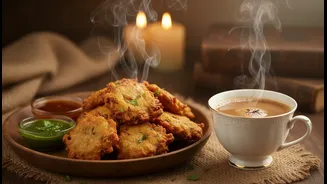
While onion pakoras (kanda bhaji) are a beloved classic, the possibilities are nearly endless. Aloo pakoras, made with thinly sliced potatoes, are another popular choice. Palak pakoras use whole spinach leaves, which turn wonderfully crisp when fried. For a more substantial snack, paneer pakoras offer a delightful contrast between the crunchy batter and the soft, melting cheese inside. In Rajasthan, mirchi vada or bhaji, made with large green chilies, is a spicy favourite. You can also create mixed vegetable pakoras using whatever you have on hand, such as shredded cabbage, grated carrots, or chopped cauliflower florets.
Frying for Perfect Results
How you fry is just as important as what you fry. The oil must be at the right temperature—medium-hot. If the oil is too cool, the pakoras will absorb excess oil and become soggy; if it's too hot, they will brown on the outside before cooking through on the inside. A good test is to drop a small bit of batter into the oil; it should sizzle immediately and float to the top. Fry the pakoras in small batches to avoid overcrowding the pan, which can lower the oil's temperature. Instead of perfectly round balls, drop the batter in uneven, wispy shapes to maximize the crunchy edges. Once golden brown and crisp, remove the pakoras and drain them on a wire rack instead of paper towels, as a rack allows air to circulate and prevents them from steaming and becoming soft.