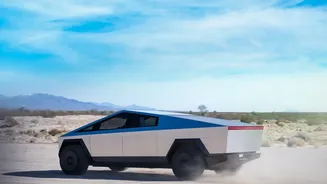




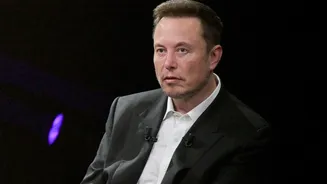
Tesla's Cybertruck story takes another turn, with Elon Musk announcing production will now run through summer 2027. This isn't a long-term reprieve but a short extension to tackle a massive order backlog before the line is shut down.
A Constantly Shifting Timeline
In a series of statements,
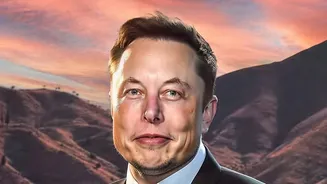
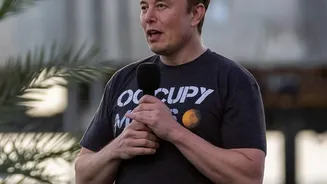
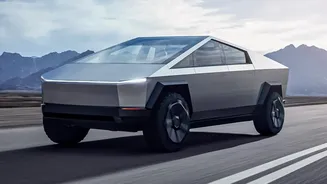
Elon Musk has adjusted the end-of-life plan for the Cybertruck multiple times in just one week. Initially, production was slated to wind down around June or July of 2027 to make way for the company's next big focus: the Cybercab robotaxi. However, on November 11, 2026, Musk confirmed the schedule would be pushed to the end of summer 2027. The reason given for this two-to-three-month extension is simple: the order backlog for the futuristic pickup is 'far more than we can make' in the original timeframe. Even with an added production shift, Tesla has acknowledged that many customers who placed deposits will likely see them returned instead of receiving a vehicle.
Demand, Complexity, and a Strategic Pivot
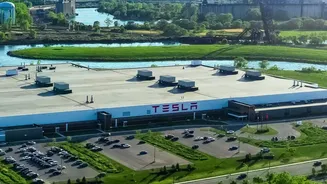
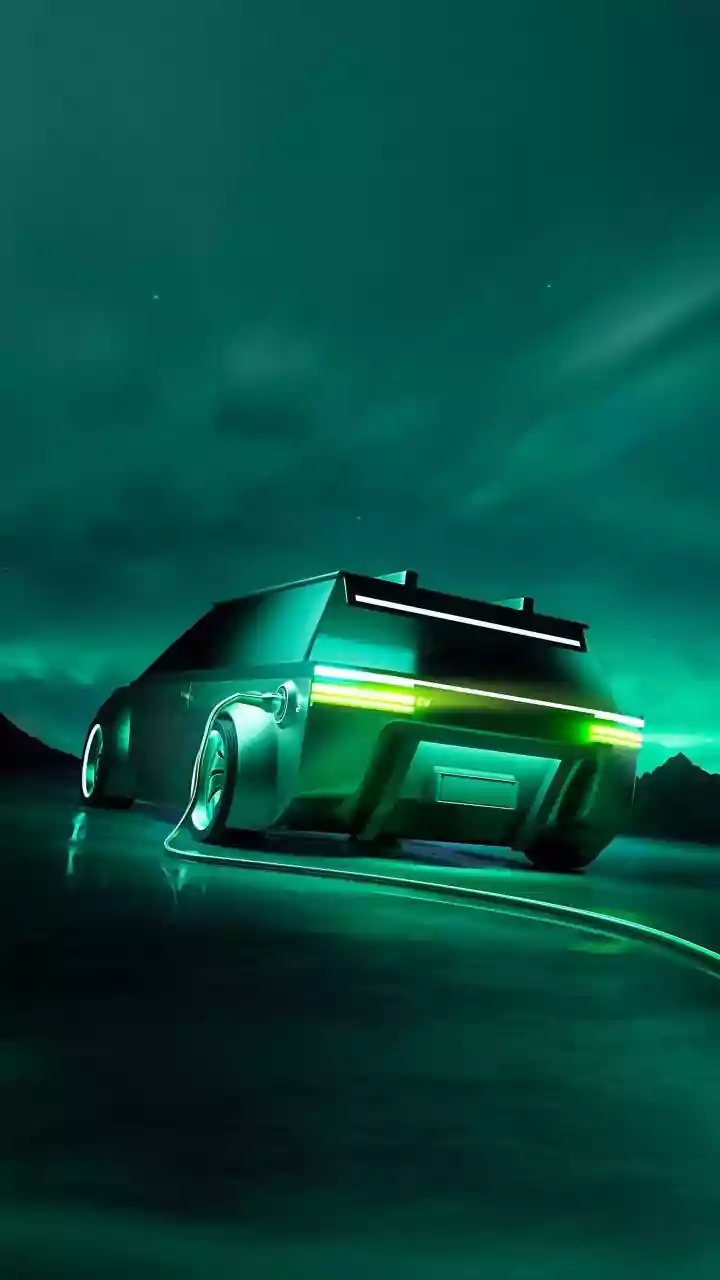
The decision to end Cybertruck production has been framed not as a failure, but as a strategic pivot. Tesla plans to repurpose the manufacturing line at its Gigafactory Texas for mass production of the Cybercab, which is central to its future as a 'transportation-as-a-service' provider. The Cybertruck, with its manufacturing complexity, was seen as a resource-intensive project. Musk has cited the difficulty of scaling production for such a unique vehicle as a key factor. To streamline the final production run, Tesla has already stopped taking orders for the lower-priced All-Wheel-Drive and Premium All-Wheel-Drive trims, leaving only the top-tier 'Cyberbeast' available for new orders at a recently increased price of $109,990.
The Challenge of Building an Exoskeleton
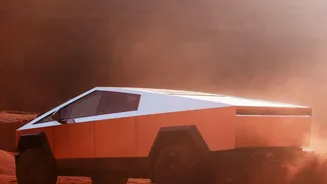
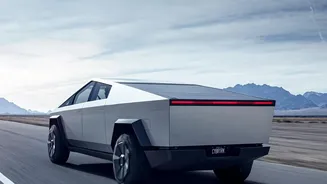
From its inception, the Cybertruck's design has been its greatest selling point and its biggest manufacturing headache. The ultra-hard stainless steel exoskeleton, while providing a 'bulletproof' exterior, is notoriously difficult to work with. The material's hardness makes it difficult to shape and form into panels without creating issues with fit and finish, a problem that has plagued the vehicle since its early days. Furthermore, the unique construction has led to several recalls, from faulty accelerator pedals to issues with exterior trim adhesive failing. The stainless steel itself has also drawn scrutiny, with some owners reporting signs of corrosion or rust spots, a consequence of it not having a protective clear coat like most vehicles.
What This Means for Buyers and Tesla
For the thousands of reservation holders, this extension offers a glimmer of hope, but no guarantees. The small production extension and extra shift are unlikely to clear the entire backlog. Many who placed orders, especially for the now discontinued, more affordable models, may be left disappointed. The situation has created a frenzied 'last call' effect, which artificially inflates the appearance of current demand. For Tesla, the move is a calculated business decision. Musk has stated that extending production isn't the 'smartest move from a profit maximizing standpoint' but is being done partly out of sentimentality. The primary goal remains clearing the decks at Giga Texas to accelerate the push toward the Cybercab and the company's ambitious goals in autonomous transport.