




The Real Deal on Clean Air
First, let's address the 'clean air' claim. A famous 1989 NASA study found that certain houseplants could remove common volatile organic compounds (VOCs) like benzene and formaldehyde from sealed chambers. Both Snake Plants and Pothos were on that list.
However, our homes and offices are not sealed labs. While these plants do absorb some pollutants, you would need a huge number to equal the power of an air purifier. The real benefit comes from their combined effect: they modestly filter toxins, release oxygen (snake plants do this mostly at night, making them great for bedrooms), and can improve your mood and focus. Think of them as beautiful, living contributors to a healthier indoor environment, not a magic bullet.
Meet the Indestructible Snake Plant
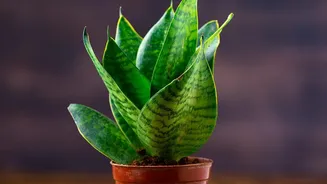
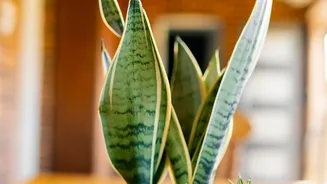
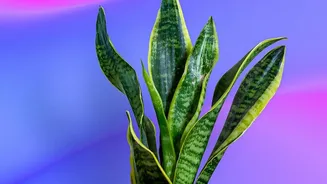
The Snake Plant (Dracaena trifasciata), also called Mother-in-Law's Tongue, is the champion of low-maintenance greenery. Its stiff, architectural leaves come in various shades of green, some with yellow or white edges. Native to West Africa, it's adapted to tough conditions, making it perfect for forgetful owners. They are semi-succulent, storing water in their leaves, which means they are incredibly drought-tolerant. They are also famous for surviving in low light, though they grow faster and look more vibrant with bright, indirect sun.
Meet the Versatile Pothos
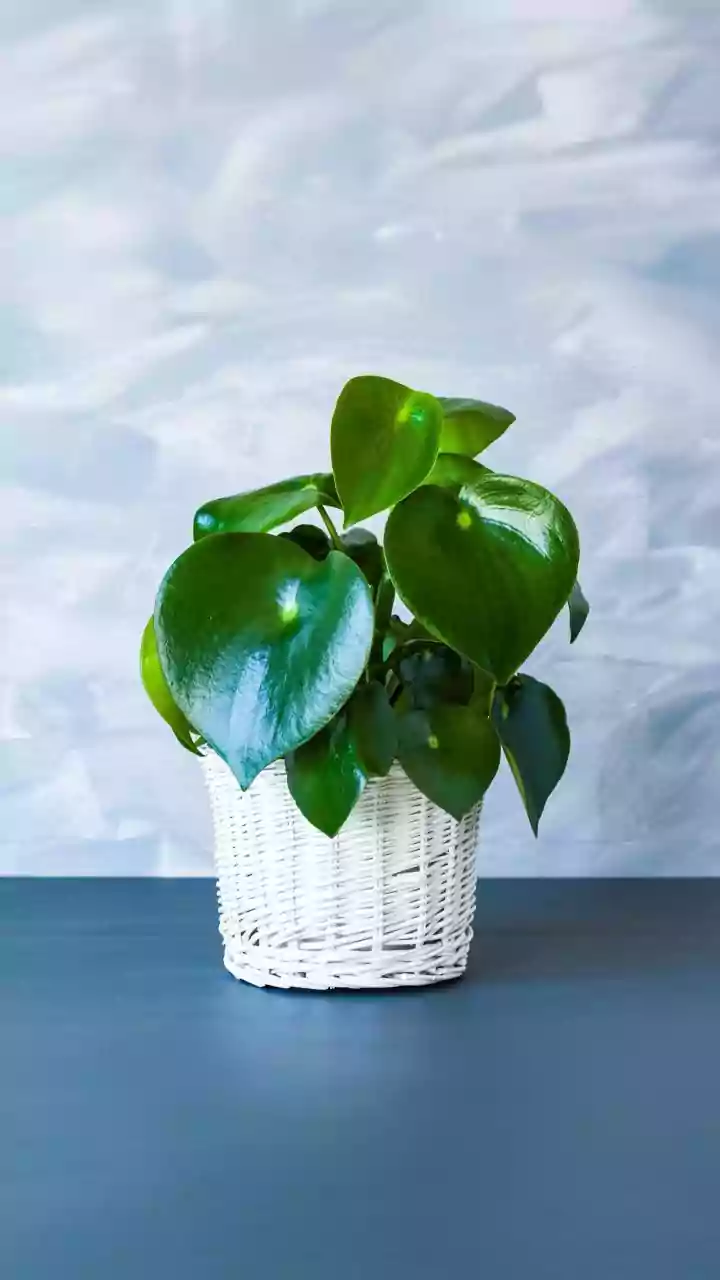
The Pothos (Epipremnum aureum), or Devil's Ivy, is a trailing vine beloved for its heart-shaped leaves and fast-growing nature. It's incredibly versatile; you can let its vines cascade from a high shelf, train them to climb a wall, or keep it bushy in a pot. Like the snake plant, pothos is forgiving and communicates its needs clearly—its leaves will droop slightly when it's thirsty. It tolerates a range of light conditions but, again, thrives in bright, indirect light.
Hack 1: Master the Art of 'Benign Neglect'
The number one killer of these plants is too much love, specifically overwatering. Both plants are prone to root rot if their soil stays soggy. The ultimate hack is to forget about them for a bit. Water thoroughly only when the soil is almost completely dry. For a snake plant, this could be as infrequent as every 2-6 weeks. For a pothos, wait until the top inch or two of soil is dry. If you're unsure, stick a wooden chopstick deep into the soil. If it comes out clean and dry, it's time to water. If it has moist soil sticking to it, wait longer.
Hack 2: Use a Pot with Great Drainage
This isn't just advice; it's a rule for success. The easiest way to prevent root rot is to ensure excess water can escape. Always choose a pot with at least one drainage hole. For snake plants, which have strong, growing roots, a sturdy plastic pot can be a better choice than terracotta, which they can sometimes crack. Using a well-draining soil mix, like one designed for cacti and succulents, is another key part of this hack. It prevents water from compacting around the roots.
Hack 3: Low Light is Okay, but Brighter is Better
While both plants are famous for their ability to tolerate low-light corners, their growth will be slow and less vibrant. The best hack for a truly thriving desk plant is to find the brightest spot that doesn't get hit by harsh, direct sun, which can scorch their leaves. An office with fluorescent lights is perfectly fine, as is a spot near a window that gets gentle morning sun. If your snake plant has variegation (the colourful stripes), it needs more light to maintain that pattern.
Hack 4: Keep the Leaves Clean
Your plant's leaves are its solar panels and its lungs. When they get covered in a layer of household dust, they can't photosynthesize or absorb airborne particles efficiently. The hack is simple: once a month, gently wipe down each leaf with a damp cloth. This quick cleaning session makes the plant look glossier and helps it perform its best work, contributing to that fresher air you're after.