




An Indispensable Battlefield Tool
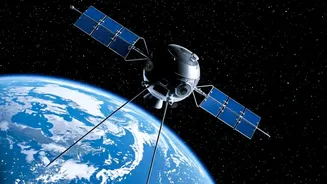
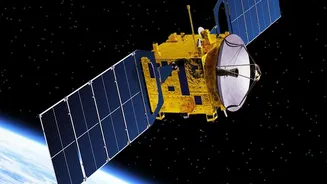
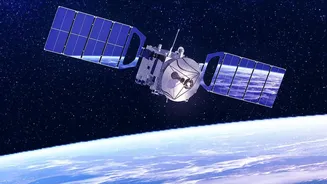
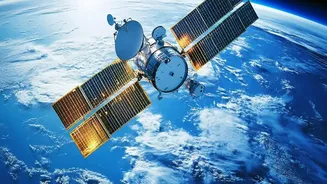
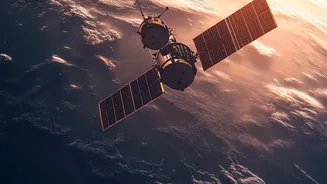
When Russia's invasion disrupted Ukraine's ground-based communications, SpaceX's satellite internet service, Starlink, became an unlikely hero. Deployed across the country, its portable terminals provided crucial connectivity, enabling everything from
basic communication for civilians to advanced military operations. The Ukrainian armed forces came to rely on Starlink for coordinating drone strikes, directing artillery, and maintaining secure command and control on the front lines. This dependence was formalized when the US Department of Defense contracted SpaceX to provide a militarized, more secure version of the service called Starshield, ensuring a steady connection for key operations. The system proved invaluable, particularly for operating fast-moving interceptor drones used to defend against Russian attacks.
The Friction Over 'Limits'
The relationship has grown complicated. Recent events have seen Ukrainian officials report sudden and unexpected restrictions on the service. A key point of contention is a speed limit allegedly imposed on Starshield terminals moving faster than 160 km/h (about 100 mph). This directly impacts the effectiveness of Ukraine's fastest drones, which rely on the connection for guidance and interception missions. Ukrainian President Volodymyr Zelensky claimed these restrictions hindered his country's ability to intercept Russian weapons and were implemented without warning, calling the consequences 'painful and unpleasant'. The move sparked a flurry of accusations, with Zelensky suggesting the U.S. government was behind the limits, a claim U.S. officials have denied.
Who Is in Control?
The debate highlights a critical ambiguity: who ultimately controls this vital wartime technology? Elon Musk, CEO of SpaceX, has stated that Starlink is a commercial service intended for civilian and defensive use only, and cannot be used for offensive military actions. He distinguished this from Starshield, which he claims is 'owned and controlled by the US government', with any limits decided by the US military and president. This has created a confusing triangular relationship between Ukraine, a private company, and the U.S. government. While U.S. officials have refuted ordering the slowdown, the incident has exposed Ukraine's vulnerability. It underscores the unprecedented power a private enterprise holds over a sovereign nation's ability to defend itself, prompting a call from several U.S. senators for an investigation into the disruptions.
A Future Role in Warning Systems?
Beyond its use in direct combat, Starlink's capabilities could be harnessed for broader defensive and humanitarian purposes. The same technology that guides drones could potentially enhance Ukraine's national early-warning systems. The high-speed, low-latency network is ideal for transmitting urgent data across the country, a crucial function when seconds matter in alerting civilians to incoming missile or air raids. While the current debate focuses on restrictions, this alternative application points to a more collaborative future. The system's robust infrastructure could become a backbone for a next-generation public alert network, helping to save civilian lives. SpaceX itself has secured contracts with the U.S. Department of Defense to build satellites with sensors for detecting missile launches, showing the technology's inherent potential in this area.