



The Danger of Drowning Roots
The biggest mistake plant parents make during the rainy season is sticking to their usual watering schedule. With higher humidity and less sun, the soil in your pots stays moist for much longer. [18] Continuing to water as you would on a sunny day can
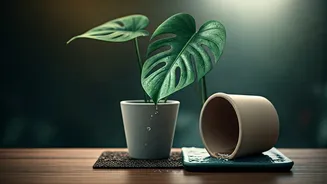
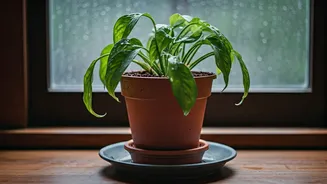
quickly lead to waterlogged soil, which suffocates the roots and cuts off their oxygen supply. [16] This is the fast track to root rot, a fungal disease that turns roots black and mushy, and can quickly kill a plant. [5, 17] Signs of overwatering often mimic those of a thirsty plant, including wilting and yellowing leaves. [17] Before you reach for the watering can, always check the soil. Stick your finger about two inches deep; if you feel any moisture, hold off. [8] Ensure every pot has drainage holes, and consider elevating pots on small bricks or stands to allow excess water to escape freely. [5]
Fighting the Gloom: Managing Low Light
Photosynthesis is your plant's way of making food, and it's powered by sunlight. Weeks of overcast weather can put your plants on a serious energy diet. [1, 22] You might notice signs of insufficient light, such as leaves turning pale or yellow, new growth being small and weak, or stems becoming long and 'leggy' as the plant stretches towards the nearest light source. [11, 22] To combat this, maximise the light your plants do get. Move them closer to windows, especially those facing east or south. Don't forget to wipe down their leaves regularly; a layer of dust can block precious light. [1, 15] For rooms that are particularly dim, you can rotate plants to brighter spots for a few days at a time or consider supplementing with a simple fluorescent bulb or a dedicated grow light to keep them happy. [1]
Humidity, Pests, and Fungal Foes
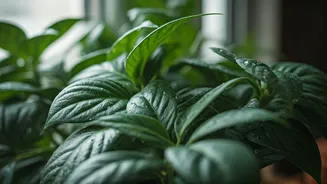
While some tropical plants love humidity, constantly damp conditions create a perfect breeding ground for pests and fungal diseases. [3, 4] High humidity and stagnant air can lead to problems like powdery mildew, a white dusty coating on leaves, and other fungal spots. [4, 12] Pests like spider mites, mealybugs, and aphids also thrive in these conditions. [1, 19] The key to prevention is improving air circulation. [8] Space your plants out to give them room to breathe; don't keep them crowded together. [12, 15] If you can, run a fan on low speed for a few hours a day to keep the air moving. Regularly inspect your plants, checking under leaves and along stems for any signs of trouble. [5, 10] Pruning away any dead or yellowing leaves also helps improve airflow and removes potential sites for disease. [2, 13]
Proactive Pest and Disease Control
Prevention is always better than cure. During the monsoon, it's wise to have a few natural remedies on hand. A simple spray made from neem oil is an excellent organic option. [2] It acts as a natural fungicide and insecticide, helping to manage a wide range of common pests without harming your plants. [10, 21] You can apply a diluted neem oil solution to your plants' leaves once a week or every two weeks as a preventative measure. [2] If you spot a fungal issue, remove the affected leaves immediately to prevent it from spreading. [8, 15] For minor pest infestations, sometimes a simple wipe-down with a cloth dipped in soapy water is enough to get rid of them. [5] Always isolate any new plant you bring home for a couple of weeks to ensure it's not introducing any pests to your collection.
Rethink Feeding and Fertilising
Plant growth naturally slows down during periods of low light. [1] Because they aren't photosynthesising as much, they don't need as many nutrients. Feeding your plants with fertiliser during the monsoon season can do more harm than good. [1] The unused mineral salts from the fertiliser can build up in the soil, potentially burning the roots. [9] It's best to cut back on or completely stop fertilising during these dull months. Wait until the sunny days return and you see active new growth before you resume your regular feeding schedule. This gives your plants a chance to rest and conserve energy, ensuring they'll be ready for a growth spurt when the weather improves. [1]