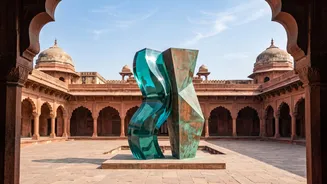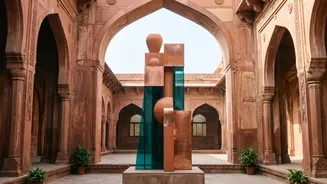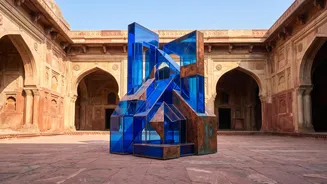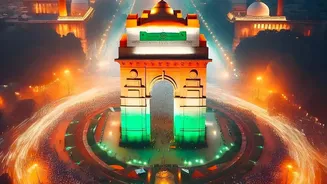

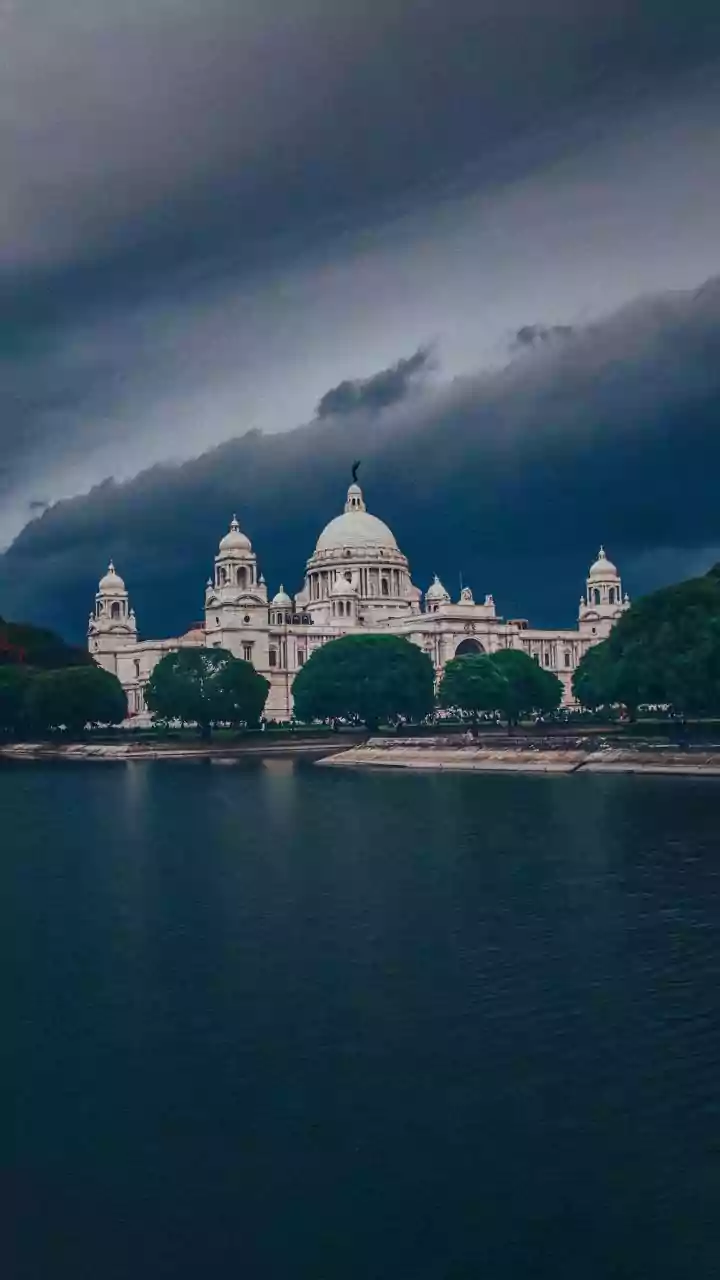



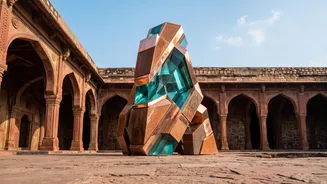
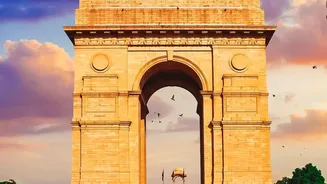
This winter, Delhi’s magnificent historical monuments are set to become the backdrop for a spectacular city-wide art event. The second edition of the India Biennale will transform these heritage sites into dynamic contemporary art spaces.
A Grand Cultural Celebration
The India Art,
Architecture & Design Biennale (IAADB), now simply called the India Biennale, is returning to the capital for its second edition. Organized by the Ministry of Culture, this massive 108-day event will run from December 4, 2026, to March 21, 2027. Following a successful debut in 2023, this year's biennale is expanding across the entire city, turning dozens of monuments, museums, and public spaces into interconnected cultural canvases. The festival aims to create a unique dialogue between India's rich history and its vibrant contemporary creative scene. The theme for this edition is 'Tat Tvam Asi,' an Upanishadic insight meaning 'You Are That,' inviting visitors to pause and find themselves reflected in the art and heritage around them.
The Historic Canvases
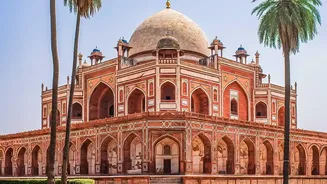
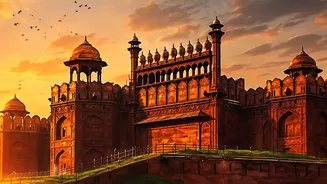
A remarkable array of Delhi's most cherished landmarks will serve as venues. The 16th-century Purana Qila (Old Fort) is designated as the festival's main hub, hosting the flagship exhibition and pavilions from different states and countries. Other iconic sites on the list include two UNESCO World Heritage Sites, the Red Fort and Qutub Minar complex, along with Humayun's Tomb, Safdarjung's Tomb, and Jantar Mantar. The biennale will also extend to beloved public spaces and lesser-known gems like Lodhi Garden, Hauz Khas Village, Agrasen ki Baoli, Firoz Shah Kotla, and the Barakhamba Tomb. This city-wide approach allows artists and curators to create site-specific projects that respond directly to the history and architecture of each location.
What to Expect: Art Amongst Ruins
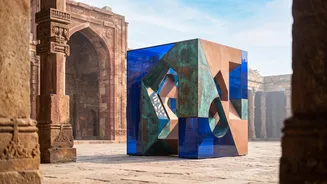
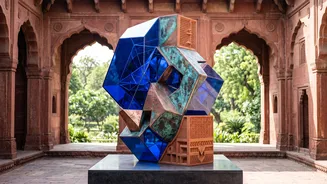
Visitors can anticipate a diverse range of creative expressions, from traditional crafts to cutting-edge digital and new-media art. The program will feature large-scale installations, architectural prototypes, immersive light projections, and soundscapes set against the backdrop of ancient monuments. At Jantar Mantar, for instance, the astronomical instruments will become part of performance art and light shows. The Red Fort will host displays of historic narrative scrolls. Confirmed highlights include 'A Woven Line of Control' at Purana Qila and 'Varanasi the Timeless' at Qutub Minar. The event is also a global affair, with over 20 countries, including Italy, France, and Switzerland, participating with their own installations and cultural programs.
How to Plan Your Visit
The India Biennale will be accessible through a special, integrated 'India Biennale Pass' which replaces regular entry tickets at all participating monuments for the duration of the event. This pass provides access to the exhibitions and programs within the venues. Passes are available in several tiers, starting from a one day pass for INR 100, with options for three day, weekly, and full season access. A premium pass is also available, offering additional perks like guided tours. With venues spread across Delhi, using the Delhi Metro is recommended for easy transit between locations. The festival will run daily, but it's wise to plan ahead, as some institutional galleries like the National Gallery of Modern Art (NGMA) may have their regular weekly closures.