




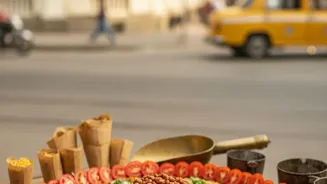
A Symphony for the Senses
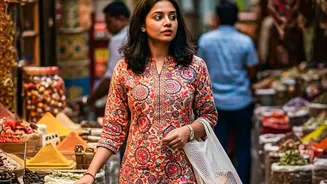
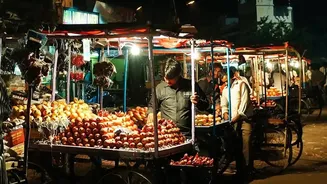
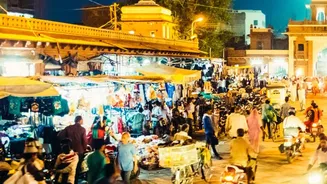
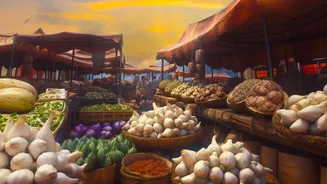
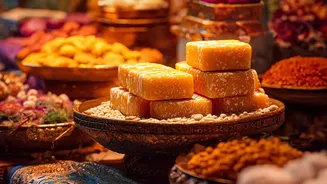
Stepping into a local Indian market is an immediate, full-body immersion. It is a sensory feast. The air is thick with the aroma of freshly ground spices, sizzling street food, and fragrant flowers. Your ears are met with a chorus of vendors calling out
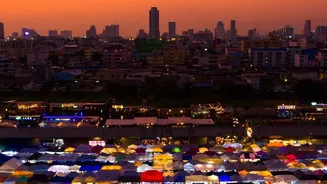
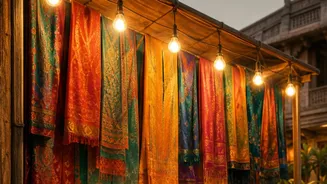
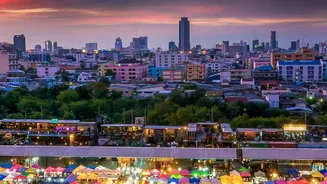
their prices, the chatter of bargaining customers, and the distant sound of temple bells or a blaring radio. Visually, it is a kaleidoscope of colourful textiles, gleaming brassware, and pyramids of fresh, locally sourced produce. In contrast, a mall offers a controlled, sterile environment. The air is filtered, the music is generic, and the sights are uniform brand storefronts. While clean and predictable, it lacks the 'living, breathing' tapestry of a bazaar that makes you feel truly connected to the place.
The Art of Human Connection
Shopping at a local market is a social activity. You engage in conversation with the vendors, many of whom are small-scale entrepreneurs or artisans with deep knowledge of their products. There is an opportunity for personal interaction, to hear the story behind a handmade craft or get advice on which vegetables are in season. The age-old practice of bargaining is not just about getting a good price; it is a form of social engagement, a playful banter that builds a relationship between buyer and seller. A mall transaction, on the other hand, is often anonymous and impersonal, a quick scan of a barcode and a tap of a card. The human element, the feeling of community, is largely absent.
The Thrill of Discovery
A mall is a place of curated consumption; you know which brands and products you will find before you even enter. A local market, however, is a journey of discovery. Wandering through its labyrinthine lanes, you might stumble upon a rare handicraft, a unique antique, or a textile pattern you have never seen before. These markets are treasure troves of one-of-a-kind items, from traditional jewellery and handwoven fabrics to region-specific crafts that are not available in mass-produced retail. This element of surprise and the joy of finding something truly special is a powerful part of the market's appeal, turning a simple shopping trip into a memorable adventure.
An Authentic Taste of Culture
Local markets are the pulsating heart of a community's culture. They are a direct reflection of local life, traditions, and culinary habits. The goods sold are often tied to the region's specific heritage, from Bengal's intricate 'Shola' crafts to the dazzling 'Kundan' jewellery of Old Delhi. The food stalls offer an authentic culinary tour of the area. Malls, by design, often offer a globalised experience. While they bring international brands to our doorstep, the atmosphere can feel generic, an environment that could exist in any city in the world. In contrast, a bazaar is unmistakably local, offering a vibrant, tangible connection to the cultural identity of a place.