

First, What Is El Niño?
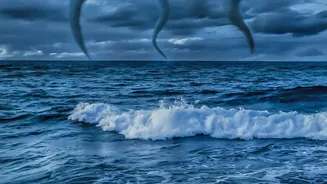
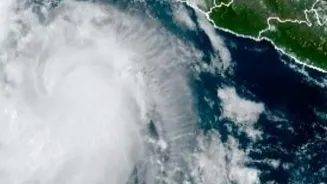
El Niño, Spanish for ‘the little boy’, is a naturally occurring climate pattern. It’s the warm phase of the El Niño-Southern Oscillation (ENSO), where sea surface temperatures in the central and eastern equatorial Pacific Ocean become unusually warm.
This warming disrupts atmospheric circulation on a global scale. Under normal conditions, trade winds push warm water towards Asia. During an El Niño, these winds weaken, allowing the warm water to shift eastward. This might seem distant, but because the global climate is an interconnected system, this change has far-reaching consequences, altering temperature and rainfall patterns thousands of kilometres away, including over the Indian subcontinent.
The 2026 Forecast: A Strong Event
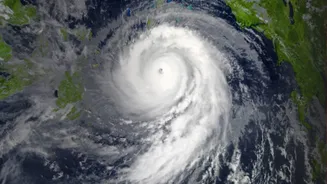
Meteorological agencies are watching the 2026 El Niño closely, with many forecasting it to be a 'strong' or 'very strong' event, potentially rivalling the historic El Niños of the past. The World Meteorological Organization has indicated a near-100 per cent likelihood that the phenomenon will persist through the winter of 2026-2027. This isn't just a scientific curiosity; the strength of an El Niño often correlates with the severity of its impacts. A stronger event releases more heat into the atmosphere, which can supercharge weather events and disrupt climate norms more intensely. For India, this raises the stakes for the crucial monsoon season and beyond.
The Monsoon Question
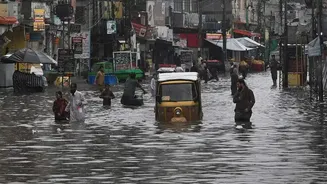
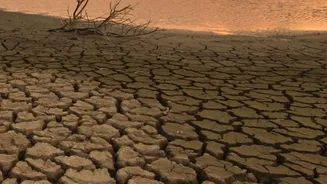
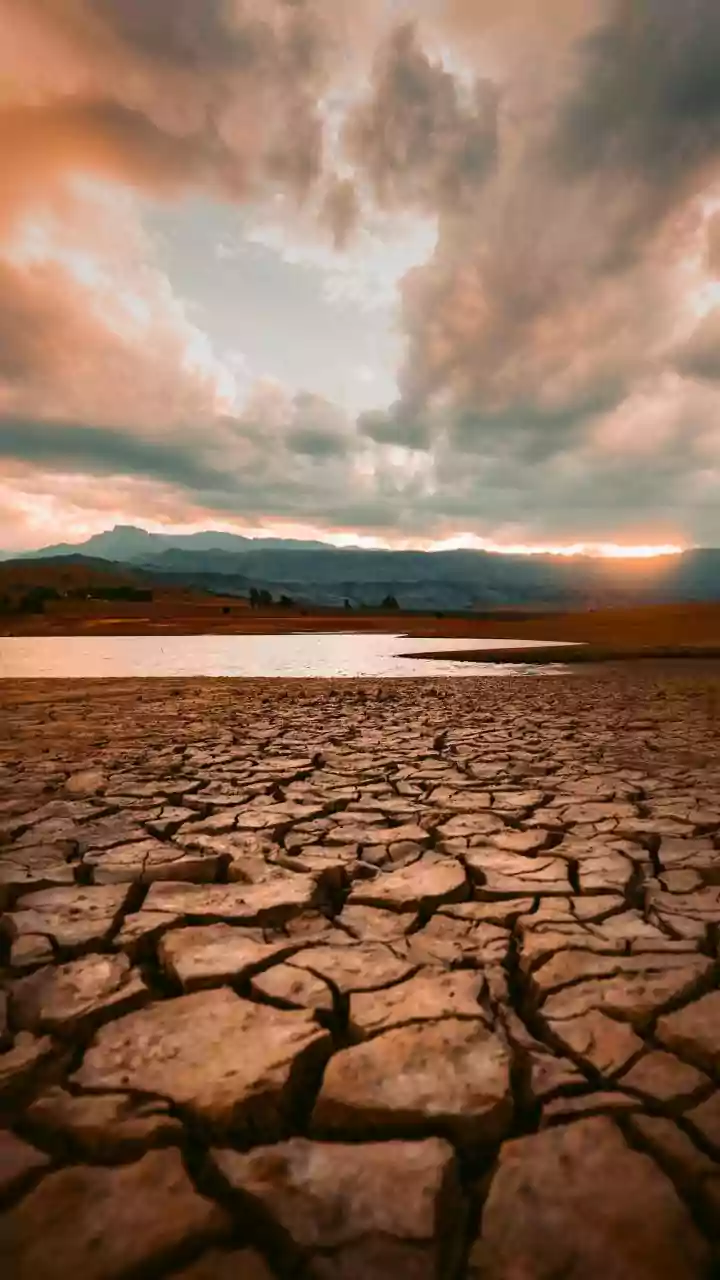
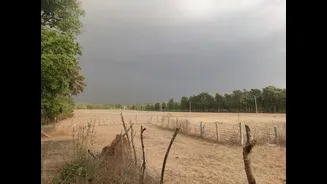
In India, any talk of El Niño inevitably turns to the southwest monsoon, the lifeblood of the country's agriculture and economy. Historically, El Niño years have a strong association with weaker monsoons and a higher probability of below-normal rainfall. This can lead to drought-like conditions, particularly in rain-fed agricultural zones. The India Meteorological Department (IMD) has already projected a below-normal monsoon for 2026, citing El Niño as a key factor. However, the relationship isn't a simple cause-and-effect. Other factors, like the Indian Ocean Dipole (IOD), can sometimes offset El Niño's drying effect. Still, the risk of deficient and erratic rainfall—marked by long dry spells and short, intense downpours—is significantly higher.
More Than Just Monsoon: Extreme Heat and Health Risks
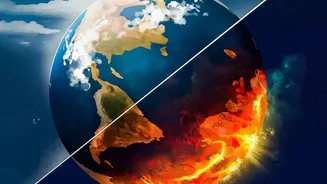
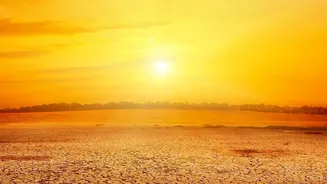
The impact on public wellbeing extends far beyond agriculture. El Niño years are strongly linked to more frequent and intense heatwaves in India. These periods of extreme heat pose a direct threat to human health, increasing the risk of heat exhaustion, heatstroke, and dehydration, especially for outdoor workers, the elderly, and those with pre-existing health conditions. The World Health Organization (WHO) has already placed India on a list of countries facing high or very high public health risks from the 2026 El Niño. Furthermore, erratic weather patterns create secondary health challenges. Water scarcity can lead to the use of unsafe water sources, increasing the risk of water-borne diseases like cholera and typhoid. Improper water storage during dry spells can also create breeding grounds for mosquitoes, raising the threat of vector-borne diseases like dengue and malaria.
Economic and Social Ripple Effects
The chain of consequences from a strong El Niño can impact every household. Reduced agricultural output can lead to food shortages and rising food prices, contributing to inflation. Water scarcity affects more than just farms; it puts immense pressure on drinking water supplies and can reduce hydropower generation, impacting energy security. These pressures disproportionately affect the most vulnerable, including rural communities dependent on farming and urban slum dwellers with limited access to clean water and healthcare. The combination of crop failure, water stress, and health risks creates a complex socio-economic challenge that requires a proactive and coordinated response.
Strengthening Our Defences
While India cannot prevent an El Niño, it can prepare for its impacts. Experts stress the need to move from forecast to action. This includes strengthening early warning systems and translating them into practical, local advice for farmers on heat-tolerant crops and water conservation techniques. On a community level, protecting village water sources and preparing local health centres for a surge in heat-related illnesses and infectious diseases are critical. For individuals, staying informed through official channels like the IMD, conserving water, and taking precautions during heatwaves are essential steps. The key is to view El Niño not as a cause for panic, but as a predictable risk that can be managed with foresight and preparation.