


What is the One-Pan Method?
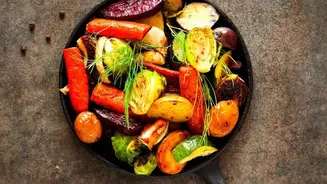
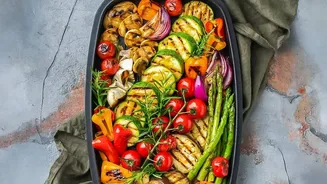
The concept is as simple as it sounds: a complete meal cooked in or on a single vessel. While it can involve a skillet, pot, or dutch oven, the trend is most famously associated with the humble sheet pan. All your ingredients—proteins, carbohydrates,
and vegetables—are seasoned and roasted together on one tray. This approach is not only celebrated for its convenience but also for the way it allows flavours to meld and intensify during the cooking process. The goal is maximum flavour with minimal cleanup, a promise that has made it a weeknight staple in kitchens everywhere.
The Secret to Its Simplicity
The primary appeal of one-pan cooking lies in its efficiency. By containing the entire meal to a single pan, you dramatically reduce the number of dishes you'll need to wash later. This method saves time and streamlines the entire cooking process, from prep to cleanup. For those with small kitchens or limited equipment, it’s a game-changer. But the benefits go beyond just practicality. Cooking all the components together allows for a unique flavour development; vegetables caramelize in the rendered spices and oils, and plant-based proteins absorb all the surrounding tastes, creating a dish that’s richer and more cohesive than if the parts were cooked separately.
Mastering the Technique
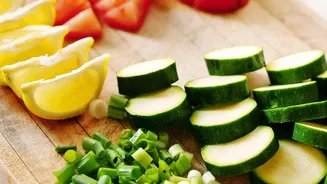
While simple, the one-pan method has a few core principles for achieving perfectly cooked results instead of a soggy, uneven mess. First, don't overcrowd the pan. Ingredients need space to roast, not steam. If necessary, use two pans. Second, cut your vegetables into uniform sizes to ensure they cook at the same rate. Third, pay attention to cooking times. Harder vegetables like potatoes and carrots need a head start, while softer ones like zucchini or bell peppers can be added partway through. Finally, don't be shy with oil and seasoning, but don't drown your ingredients either. A good coating ensures everything gets crispy and flavourful without becoming greasy.
Your Meal-Building Blueprint
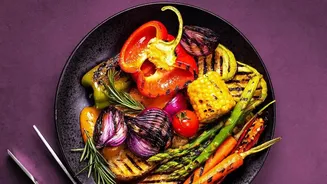
Building a balanced and satisfying vegetarian one-pan meal is easy when you follow a basic formula. Start with a plant-based protein like chickpeas, lentils, tofu, or tempeh. Next, add your vegetables, thinking about texture and cooking time. A mix of sturdy root vegetables (like sweet potatoes or beets) and quicker-cooking ones (like broccoli or asparagus) works well. Toss everything with a generous amount of olive oil and your favourite spices. For example, a mix of cumin, coriander, and turmeric creates a warm, spiced base. Roast at a relatively high heat, around 400-425°F (200-220°C), to encourage browning and caramelization. Finish with a fresh element like a squeeze of lemon juice, a dollop of yogurt, or a sprinkle of fresh herbs to brighten everything up.
Flavour Combinations to Get Started
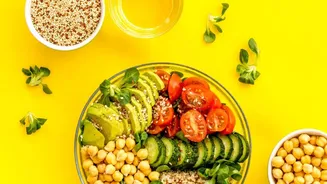
The versatility of one-pan meals is nearly endless, but here are a few ideas to spark your imagination. For a Mediterranean feel, try roasting chickpeas with cherry tomatoes, bell peppers, red onion, and cubes of halloumi, seasoned with oregano and lemon. Another great option is to toss cubed tofu and broccoli florets with a simple peanut sauce before roasting, then garnish with sesame seeds and scallions. For a taste of India, combine cauliflower, sweet potatoes, and onions with a masala spice blend. These combinations serve as a fantastic starting point, but the real joy comes from experimenting with the vegetables and spices you already have on hand.