
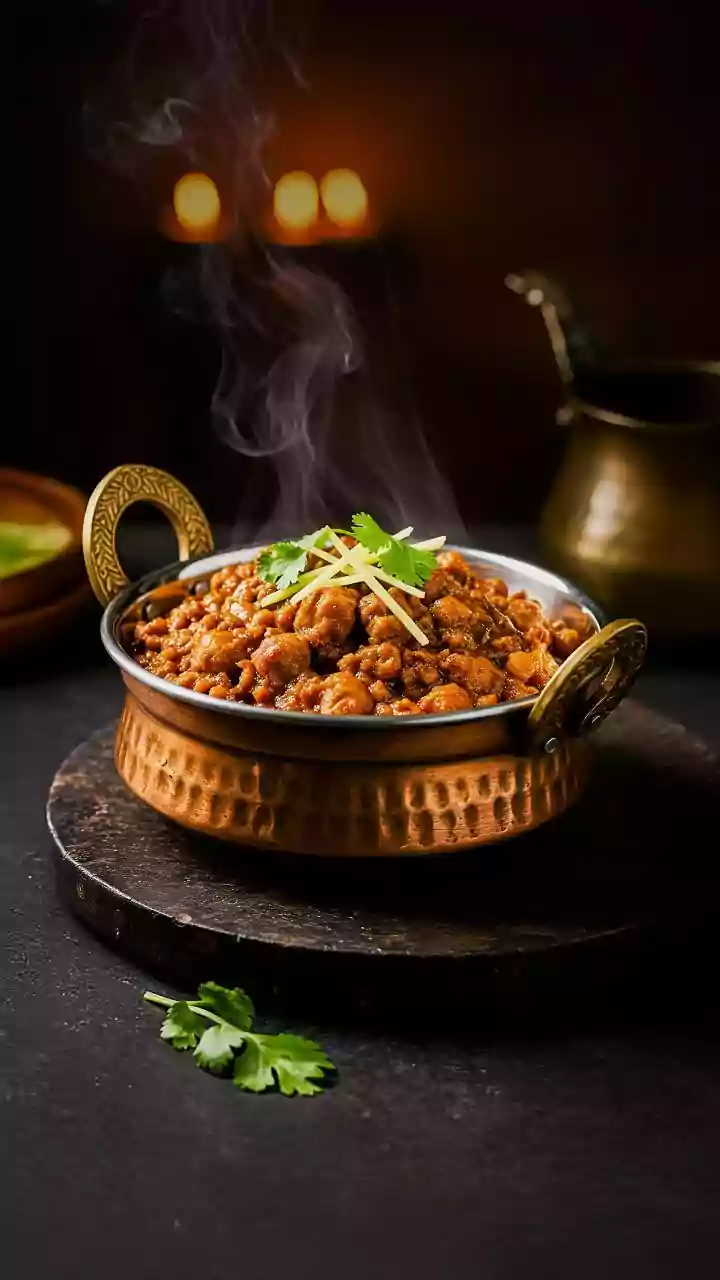



A Return to Culinary Roots
For decades, refined wheat flour and polished rice dominated the urban Indian plate, pushing heritage grains like jowar (sorghum), bajra (pearl millet), and ragi (finger millet) to the sidelines. This shift, which began around the Green Revolution, prioritised
food security but led to a decline in dietary diversity. Today, a growing consciousness around health and a desire to reconnect with traditional food systems are reversing this trend. Urban home cooks are looking back to the wisdom of their ancestors, rediscovering ingredients that are not only deeply rooted in Indian culture but are also incredibly resilient and suited to the local climate. This isn't about rejecting modernity, but about integrating the past into a healthier present.
The Nutritional Power of Millets
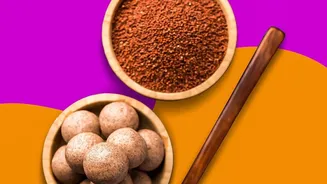
So why the sudden buzz around these 'forgotten' grains? The answer lies in their impressive nutritional profile. Millets are powerhouses of fibre, protein, vitamins, and essential minerals like iron and calcium. Unlike refined grains, they have a low glycemic index, which helps in managing blood sugar levels and makes them an excellent choice for diabetics and those watching their weight. Ragi, for instance, is a fantastic source of calcium, while bajra is rich in iron, and jowar is lauded for its high fibre content. Being naturally gluten-free, they are also a godsend for anyone with gluten sensitivity or celiac disease, offering a nutritious alternative for making rotis, porridges, and snacks.
Reinventing Traditional Snacks
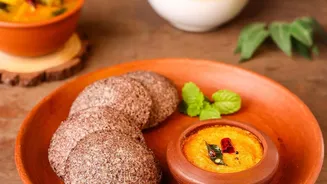
The real magic is happening in the snack department. Instead of giving up crispy chaklis, savoury mathris, or comforting ladoos, home cooks are simply giving them a millet makeover. Baked ragi chakli offers the same satisfying crunch with a fraction of the guilt. Jowar flour is being used to create softer, more digestible bhakris and theplas. Even popular street food isn't immune to this healthy spin, with creations like mixed millet bhel puri and ragi cutlets appearing on home menus. The result is often a snack with a richer, nuttier, and more complex flavour profile. From foxtail millet burfi to ragi ladoos and even millet dosas, the versatility of these grains means you don't have to sacrifice taste for health.
More Than Just a Passing Fad
This movement is more than just a fleeting wellness trend; it has deeper roots in sustainability and food security. Millets are hardy, climate-resilient crops that require significantly less water than rice and wheat, making them an environmentally sound choice for farmers. The push from the Indian government and global bodies like the United Nations, which declared 2023 the International Year of Millets, has further boosted awareness and availability. As urban consumers become more mindful about where their food comes from and its environmental impact, millets offer a solution that benefits personal health and the planet. This conscious choice suggests the millet revival is not just a comeback but a long-term shift in the Indian diet.