



A Return to Simple Pleasures
For generations, the evening cup of chai has been a sacred ritual across India. It’s a moment to pause, reflect, and refuel. Traditionally, this ritual has been accompanied by a familiar cast of characters: the crunchy rusk, the buttery biscuit, the savoury
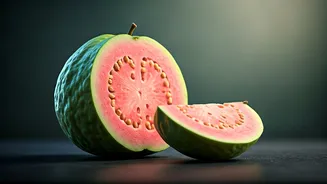
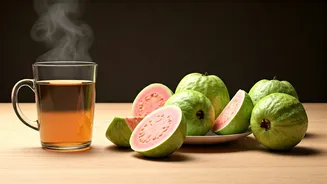
samosa, or a handful of namkeen. But recently, a quiet revolution has been brewing. In homes, cafes, and on social media feeds, the vibrant green guava, or 'amrood', is staging a remarkable comeback, not just as a fruit to be eaten on the go, but as a celebrated partner to our beloved tea. This isn't about reinventing the wheel; it's about rediscovering the simple, profound joy of a fruit that has been part of our landscape forever. It represents a collective shift away from processed, packaged snacks towards something more wholesome, natural, and deeply rooted in our own culinary heritage.
The Modern Wellness Angle
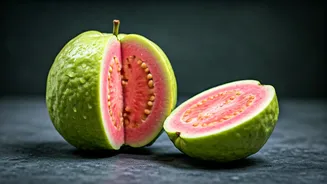
So, why now? A huge part of the guava’s newfound fame is its alignment with modern wellness goals. As more of us become conscious of what we eat, the nutritional profile of the guava is hard to ignore. Often hailed as a superfood, it is packed with more Vitamin C than an orange, loaded with dietary fibre that aids digestion, and rich in antioxidants that fight free radicals. For the health-conscious snacker, a bowl of guava is a guilt-free indulgence that actually contributes to their well-being. Unlike a deep-fried snack or a sugar-laden biscuit that can lead to an energy crash, the natural sugars and high fibre in guava provide a sustained release of energy, making it the perfect pick-me-up for that late afternoon slump. It’s a snack that tastes good and makes you feel good, a winning combination in today’s world.
More Than Just Sliced and Salted
The way we are eating guava is also evolving. While the classic preparation of sliced guava with a sprinkle of black salt ('kaala namak') and a dash of red chilli powder remains an undefeated classic, its versatility is now being explored more widely. Food enthusiasts are transforming it into zesty 'amrood chaat', tossing diced guava with chopped onions, tomatoes, coriander, and a squeeze of lime. This preparation turns a simple fruit into a complex, flavourful salad that tingles the taste buds. Some trendy cafes are even featuring grilled guava on their menus, which caramelises the fruit’s natural sugars and adds a smoky dimension. The combination of sweet, sour, spicy, and salty makes guava a multi-sensory experience. It’s this adaptability that allows it to feel both familiar and excitingly new at the same time, appealing to traditionalists and culinary adventurers alike.
The Perfect Flavour Companion to Chai
Perhaps the most important reason for its rising popularity at tea-time is how beautifully its flavour profile complements a hot cup of chai. The slightly grainy texture and the tangy-sweetness of a perfectly ripe guava cut through the milky, spiced notes of masala chai in a way that is incredibly refreshing. While a biscuit can sometimes become too soggy or a heavy snack can overpower the delicate taste of the tea, guava provides a clean, bright contrast. The tangy kick from the fruit, often enhanced by chaat masala, wakes up the palate. It cleanses the palate between sips, allowing you to appreciate the nuances of your tea more fully. It’s a pairing that feels balanced and intuitive, a harmonious duet of flavours that feels like it was always meant to be.