






The Ultimate Sealed Room Problem
Imagine being sealed in a room for months or years. It’s not the lack of oxygen that would become a problem first; it’s the buildup of carbon dioxide. Every breath an astronaut exhales releases CO2, which is toxic at high concentrations. Simply bringing
along giant tanks of oxygen is impractical for long missions due to weight and space constraints. The real challenge is managing the air already inside the spacecraft. Environmental Control and Life Support Systems, or ECLSS, are the technological marvels designed to solve this problem by creating a miniature, man-made ecosystem. These systems must constantly purify the air, manage temperature and humidity, and maintain the correct atmospheric pressure to keep both the crew and the sensitive equipment functioning.
Scrubbing CO2 and Turning Waste into Resources
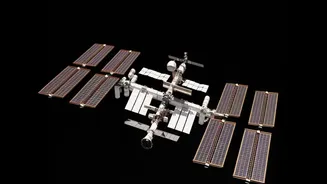
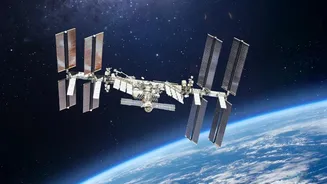
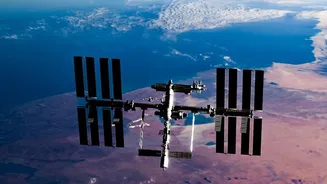
The first job of any air recycling system is to remove the carbon dioxide. On the International Space Station (ISS), systems like the Carbon Dioxide Removal Assembly (CDRA) use beds of tiny, porous materials called zeolites. These materials act like a molecular sieve, trapping CO2 molecules while letting oxygen and nitrogen pass through. Once a bed is saturated, it is heated to release the captured CO2, which is then vented into space or, increasingly, recycled. Advanced systems, like the European Space Agency's ACLS, take this a step further. They use a chemical process called the Sabatier reaction to combine the captured CO2 with hydrogen (a byproduct of oxygen generation) to create water and methane. The methane is vented, but the water is a precious resource that can be reused.
Making Oxygen From Water
With the CO2 managed, the next step is replenishing the oxygen. The primary method for this on the ISS is electrolysis. Systems like NASA's Oxygen Generation System (OGS) and the Russian Elektron system pass an electric current through water (H2O), splitting it into its constituent parts: breathable oxygen (O2) and hydrogen gas (H2). The oxygen is released into the cabin atmosphere for the crew to breathe. The hydrogen, as mentioned, is fed into the Sabatier system to help recycle CO2 into more water, creating an elegant, partially closed loop. This water comes from multiple reclaimed sources, including the humidity in the cabin air from astronauts' breath and sweat, and even purified urine.
Filtering the Invisible Dangers
Carbon dioxide isn't the only threat in a sealed atmosphere. Hundreds of other trace chemical contaminants can build up over time, released from the electronics, plastics, and even the astronauts' own bodies. These can include compounds like methane and acetone. To handle these, life support systems employ Trace Contaminant Control Subassemblies (TCCS). These often use beds of activated charcoal and other catalytic materials that trap and break down harmful airborne chemicals, much like a high-tech air purifier for your home, but far more critical. This ensures the long-term health of the crew by preventing the slow accumulation of toxins in their environment.
Closing the Loop for Mars
For missions in Earth orbit, resupply missions can bring water and spare parts. But for a multi-year journey to Mars, resupply is not an option. This is why space agencies are focused on developing truly closed-loop systems that can recycle nearly 100% of all air and water. New technologies are being developed to 'crack' the methane produced by the Sabatier process, recovering even more hydrogen to improve recycling efficiency. Other experimental systems, like the Mars Oxygen In-Situ Resource Utilization Experiment (MOXIE), have successfully demonstrated the ability to create oxygen directly from the thin, carbon-dioxide-rich Martian atmosphere. These innovations are essential, as they will reduce a Mars mission's dependency on resources brought from Earth, making humanity's next giant leap possible.