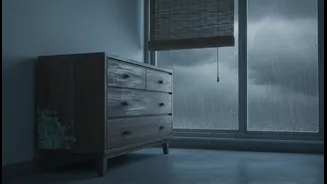





Why Damp is More Than Just a Bad Smell
Before diving into solutions, it's crucial to understand why that damp feeling matters. Persistent moisture does more than make your room smell funky and your clothes feel clammy. It creates a breeding ground for mould and mildew, which release spores
into the air. Breathing these in can lead to a host of health issues, including triggering allergies, worsening asthma, and causing respiratory infections like bronchitis. The constant damp can also damage your books, electronics, and wooden furniture. Tackling moisture isn't just about comfort; it’s about protecting your health and your belongings in your home away from home.
Let It Breathe: The Power of Ventilation
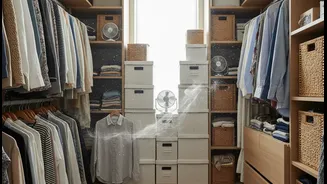
The cheapest and most effective first line of defence against damp is promoting air circulation. Stagnant air traps moisture, so your primary goal is to get it moving. Whenever it’s not raining, open your windows and doors for at least 15-20 minutes a day to allow for cross-ventilation. After a shower or when cooking, make sure to run the exhaust fan (if you have one) to pull steam and humid air out. Even simple habits like keeping your cupboard doors slightly ajar or positioning furniture a few inches away from walls can prevent moisture from getting trapped in corners and causing mould.
Create Your Own Moisture Traps
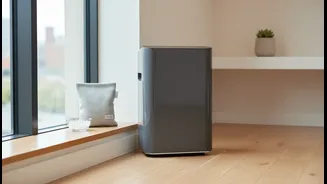
You don't need to buy an expensive electric dehumidifier, which can be costly for a student budget. Instead, create your own using everyday items. Rock salt is a fantastic natural desiccant. Place a bowl of coarse rock salt in a damp corner of your room or inside your wardrobe. You will see it clump together and even liquefy as it pulls moisture from the air. Activated charcoal and even baking soda work similarly. Another great hack is to collect those little silica gel packets you find in new shoe boxes or water bottles and place them in drawers, bookshelves, and cupboards to keep the immediate area dry.
Protect Your Wardrobe from Musty Odours
One of the biggest frustrations in a damp room is having freshly washed clothes smell musty. The key is to ensure everything is bone-dry before storing it. During the monsoon, this can be tricky, so give clothes extra drying time. Lining your wardrobe shelves with old newspapers can help absorb any residual moisture. To actively combat odours and prevent mildew, place camphor balls, cloves, or small pouches of dried neem leaves among your clothes. These have antifungal properties and act as natural repellents, keeping your clothes smelling fresher for longer. Never store clothes in plastic bags, which trap humidity; opt for breathable cotton bags instead.
Tackle Wall Mould and Peeling Paint
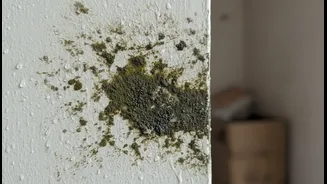
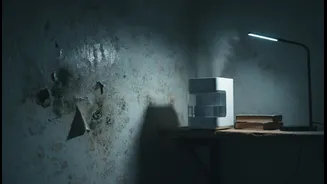
If you spot black or green fuzzy spots on walls, you need to act fast. A simple and effective cleaning solution can be made by mixing equal parts white vinegar and water in a spray bottle. Spray the affected area, let it sit for about an hour, and then wipe it clean with a cloth. Vinegar's natural antifungal properties help kill the mould and prevent it from returning immediately. For areas where paint is bubbling or peeling due to damp, this vinegar solution can help treat the underlying issue before you consider asking the landlord for a more permanent fix like moisture-resistant paint.
Use Nature's Disinfectants
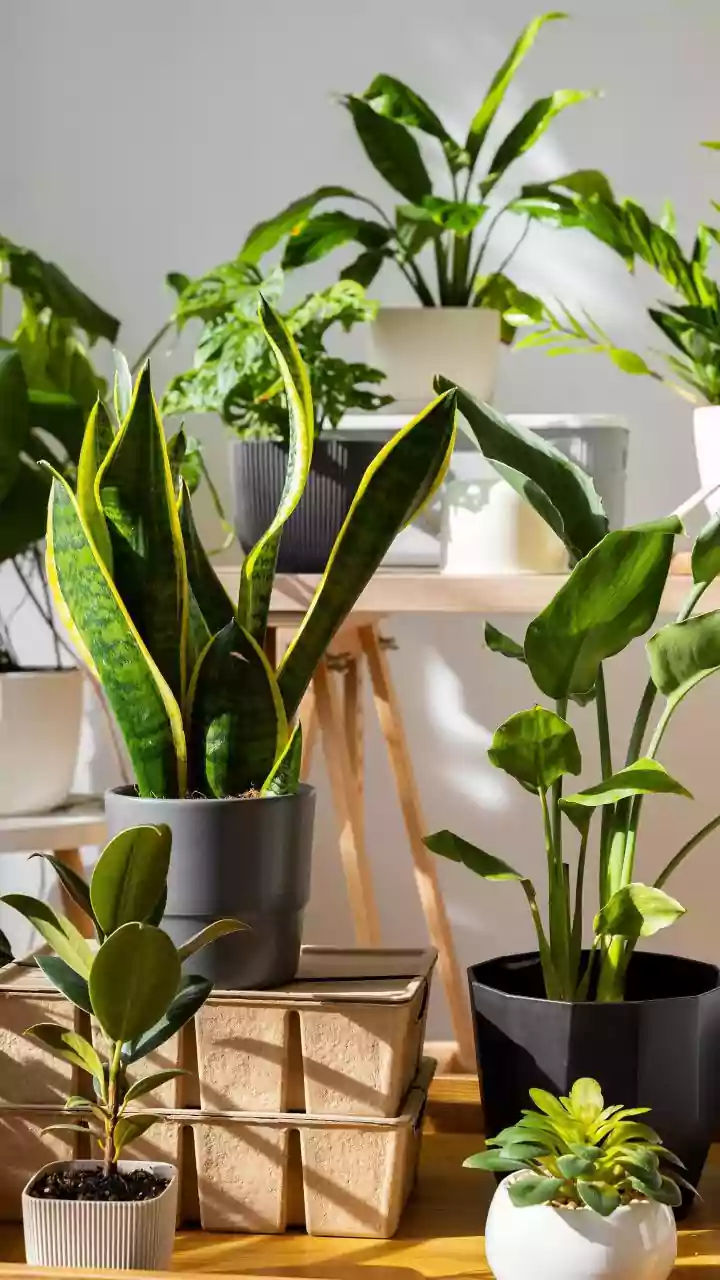
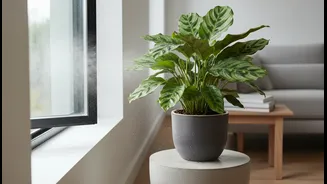
Never underestimate the power of sunlight. On bright, sunny days, pull back the curtains and let as much direct sunlight into your room as possible. The UV rays are a natural disinfectant that helps kill mould spores and dry out damp surfaces. If possible, air out your pillows, blankets, and rugs in the sun every few weeks. Certain houseplants can also help manage humidity levels by absorbing moisture through their leaves. Plants like peace lilies, spider plants, and snake plants are low-maintenance and can contribute to a healthier, less humid indoor environment.