



The Protein Powder Dilemma
Walk into any health food store or scroll through social media, and you'll be bombarded with sleek tubs of protein powder promising muscle growth, weight loss, and enhanced recovery. While they can be convenient, they often come with a hefty price tag
and a few hidden downsides. Many commercial powders are packed with artificial sweeteners, fillers, gums, and preservatives. For the average person looking to supplement their diet with a bit more protein, the cost and processed nature of these products can be a major barrier. The search for a cleaner, more wallet-friendly option is what leads many people to look beyond the hype and back to whole, traditional foods.
Enter Sattu: A Traditional Superfood
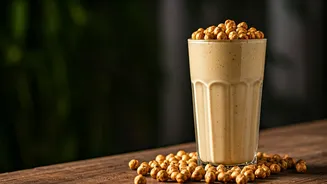
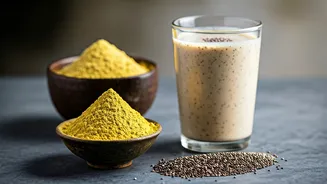
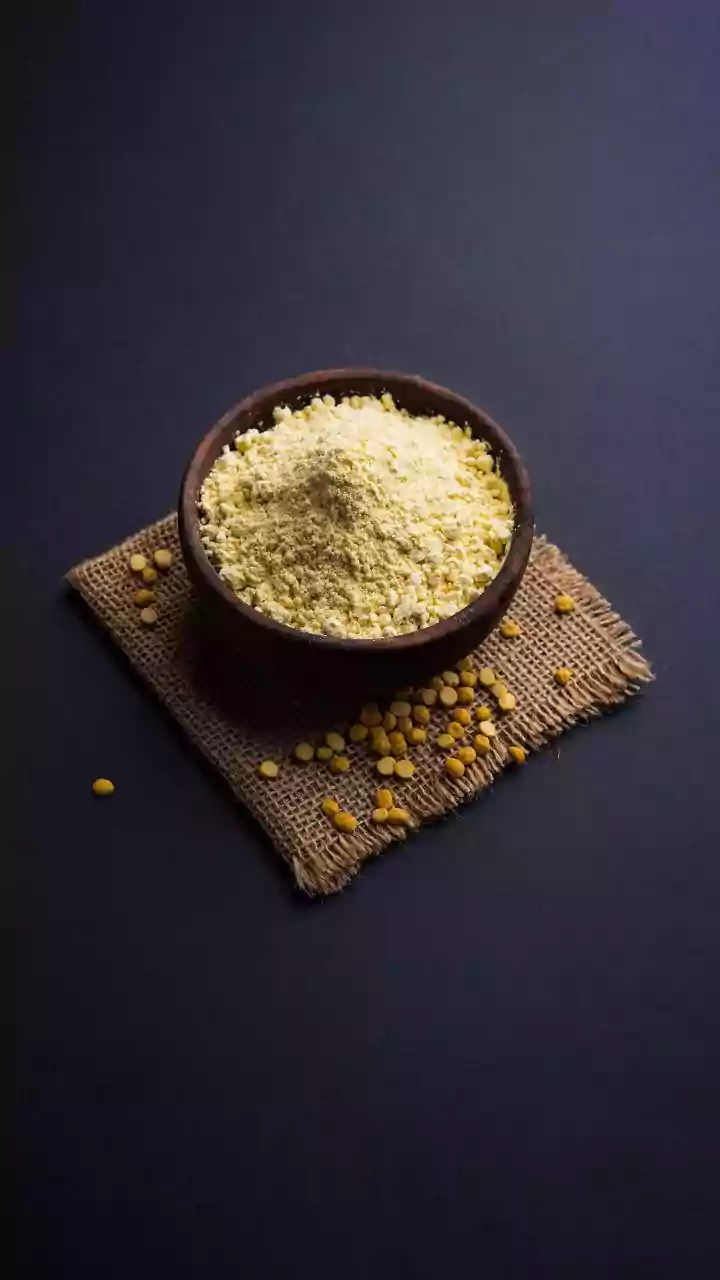
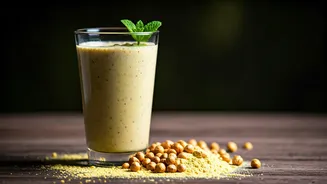
Roasted chickpea flour, known as sattu across much of North and East India, is a humble pantry staple with a mighty nutritional punch. Made by dry-roasting Bengal gram (kala chana) and then grinding it into a fine powder, sattu has been a cornerstone of traditional diets for centuries. It's celebrated for its ability to provide sustained energy and strength, earning it the nickname 'the poor man's protein'. Traditionally mixed with water, salt, and spices to make a cooling summer drink, sattu's versatility extends far beyond that, making it a perfect modern-day substitute for commercial protein powders.
A Nutritional Powerhouse
So, how does sattu stack up against a scoop of whey or pea protein? Surprisingly well. A 100-gram serving of sattu typically contains around 20-25 grams of high-quality plant-based protein. But unlike isolated protein powders, sattu is a whole food. This means you also get a massive dose of dietary fibre (around 10-15 grams), which is crucial for digestive health, blood sugar regulation, and keeping you feeling full. It’s also rich in essential minerals like iron, manganese, and magnesium. Furthermore, sattu has a low glycemic index, providing a slow and steady release of energy without spiking your blood sugar levels, making it ideal for sustained vitality throughout the day.
The 'Whole Food' Advantage
The key difference lies in the processing. Protein powders isolate one nutrient—protein—often stripping away the complementary nutrients found in the original source. Sattu, on the other hand, keeps everything intact. This 'whole food' package means your body gets protein, carbs, fibre, vitamins, and minerals working together synergistically. It's also naturally gluten-free and free from the lactose that can cause digestive issues for some people who use whey. Best of all, it's incredibly affordable and readily available at any local kirana store or supermarket. You get all the benefits without the artificial flavours, sweeteners, or mystery ingredients.
Your Perfect Sattu Smoothie Bowl
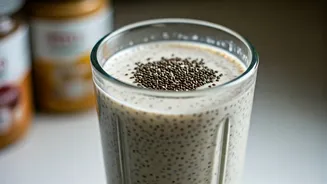
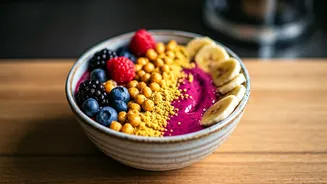
Making the switch is easy and delicious. Sattu has a nutty, earthy flavour that pairs beautifully with the ingredients in a smoothie bowl. Here’s a simple template to get you started: 1. **The Base:** In a blender, combine 3-4 tablespoons of sattu with 1 cup of a liquid of your choice (milk, almond milk, coconut water, or plain yoghurt). For a thick, creamy texture, add half a frozen banana. 2. **Sweetness & Flavour:** Add a natural sweetener like 1-2 pitted dates, a teaspoon of jaggery powder, or a drizzle of honey. A pinch of cardamom or cinnamon can elevate the flavour. 3. **Blend:** Blend everything until smooth and creamy. The sattu will thicken the mixture, so add more liquid if it becomes too thick for your liking. 4. **The Toppings:** Pour the mixture into a bowl and get creative with your toppings. Fresh fruit (like sliced mangoes or pomegranate seeds), a sprinkle of nuts (almonds, walnuts), seeds (chia, flax, pumpkin), and a little shredded coconut are all fantastic additions.