





Choosing where to spend your retirement is a monumental decision. Beyond finances and healthcare, the quality of your daily life is paramount. This guide simplifies the process by focusing on two key factors: walkability and public spaces.
Why Your Daily Walk Matters
For retirees,
walkability is not a luxury; it's a cornerstone of an independent and healthy lifestyle. The ability to walk to a local market, a doctor's clinic, a park, or a friend's house fosters daily physical activity, which is linked to better cardiovascular health and overall well-being. More importantly, it reduces reliance on transportation, giving you the freedom to run errands and engage with your community on your own schedule. Studies show that walkable neighbourhoods promote mental and emotional health by creating opportunities for spontaneous social interactions, which can combat feelings of loneliness and isolation that sometimes accompany retirement. A city that is easy to navigate on foot is a city that empowers you to stay active, connected, and self-reliant.
Decoding a 'Walkable' Neighbourhood
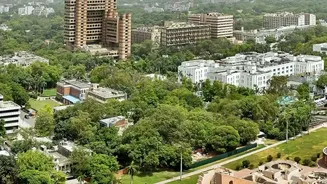
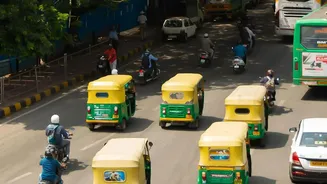
What makes a neighbourhood truly walkable for a senior citizen? It's more than just short distances. Look for well-maintained, even footpaths free from obstructions like potholes or hawkers. Safe and frequent pedestrian crossings, preferably with signals that allow ample time to cross, are non-negotiable. The ideal area has a mix of essential services within a comfortable walking radius—think grocery stores, pharmacies, banks, and clinics. Shaded avenues and strategically placed public benches can make a short walk far more comfortable, especially in India’s varied climates. Cities like Chandigarh, with its planned sectors and green belts, and older neighbourhoods in Pune like Deccan Gymkhana are often praised for these features, providing a good blueprint of what to seek.
Public Spaces: Your Extended Living Room
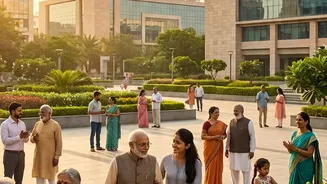
Public spaces are the social heart of a community. For retirees, they are vital for staying engaged and building new friendships. When evaluating a city, look beyond just the existence of parks; assess their quality and accessibility. Are they senior-friendly, with features like clean, accessible toilets, ample seating, and well-lit pathways for evening strolls? Community centres, public libraries, and even temple or gurudwara grounds often serve as hubs for social activity. These spaces provide structured and unstructured opportunities for connection, from morning laughter clubs to evening chats with neighbours. A city that invests in safe, clean, and active public spaces is one that values the well-being and social integration of its senior residents.
Cities That Offer Walkable Lifestyles
While no single city is perfect for everyone, some consistently rank high for their quality of life and pedestrian-friendly infrastructure. Mysore is often celebrated for its calm pace, clean environment, and heritage routes perfect for leisurely walks. Pune offers a blend of urban convenience and quiet residential pockets, with neighbourhoods like Koregaon Park and Camp remaining highly walkable. Chandigarh’s planned design makes it a haven for pedestrians with its wide pavements and abundant parks. In the south, certain areas of Coimbatore and Kochi provide excellent healthcare access combined with a more relaxed lifestyle. Instead of taking these as outright recommendations, use them as case studies to understand what a well designed retirement friendly environment looks like.
Your Personal Evaluation Checklist
Before making a final decision, visit your potential new neighbourhood and conduct a personal audit. Spend a few days trying to live like a local. Can you walk to a grocery store and back without feeling exhausted or unsafe? Are the footpaths continuous and even? Time how long it takes to walk to the nearest park or bus stop. Sit on a public bench for half an hour; is the area clean and do you feel secure? Note the availability of street lighting for evening walks. Talk to local residents, especially other seniors, about their experience. This 'on the ground' research is invaluable and will tell you more than any brochure or website can. A short term stay can prevent a long term mistake.