


The Post-Rain Orchestra
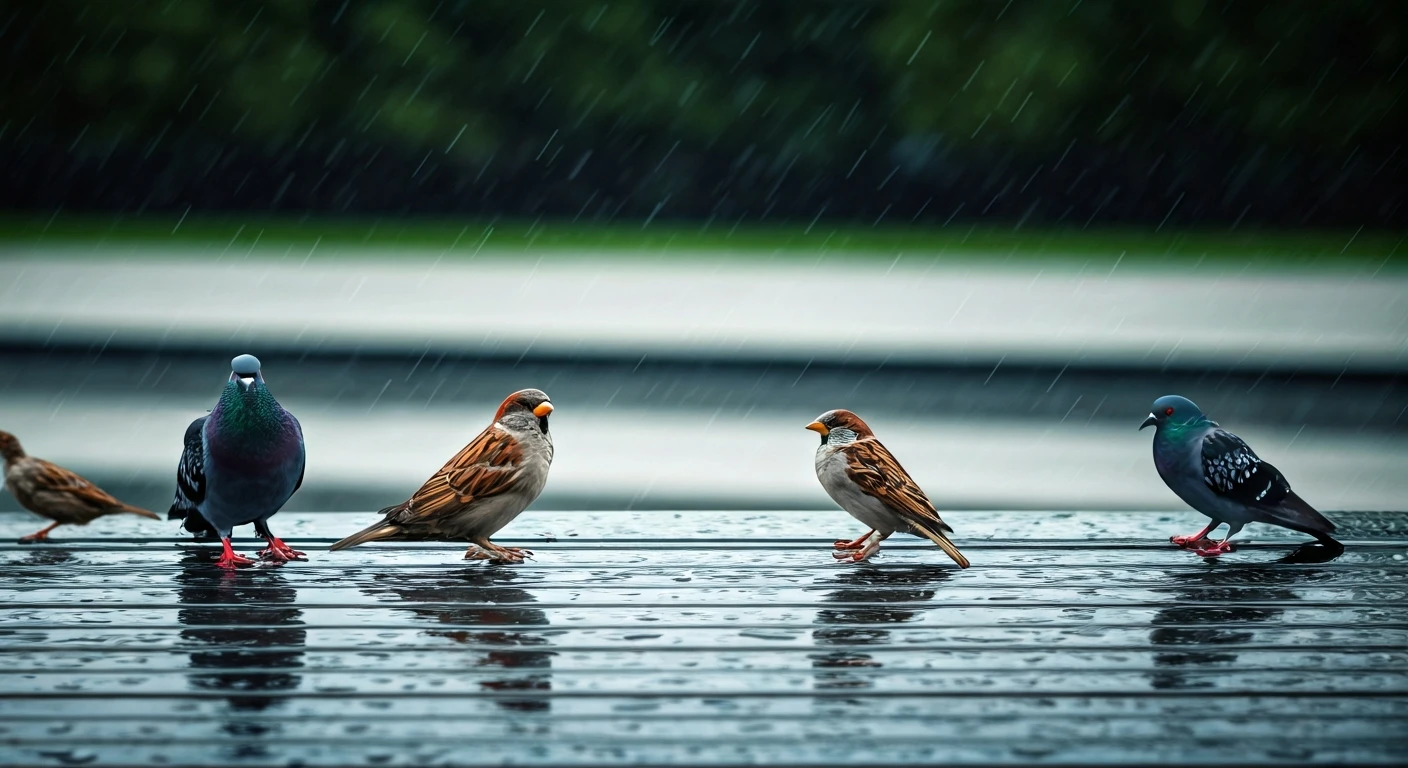
The first thing you’ll notice is the sound. After taking shelter from the downpour, birds re-emerge with a renewed vigour. Their chirping isn't just a sign of relief; it's a multi-layered announcement. For many, it's a chance to re-establish territory,
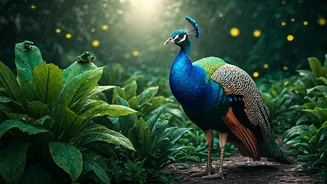
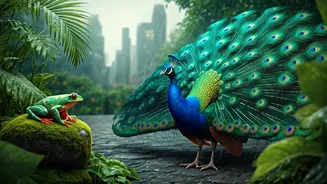
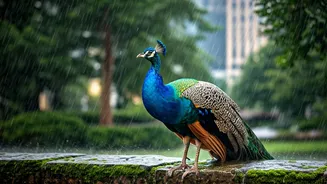
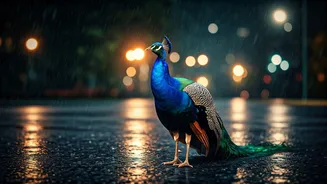
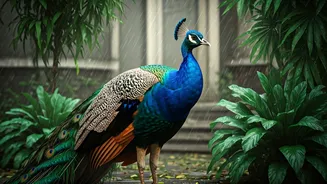
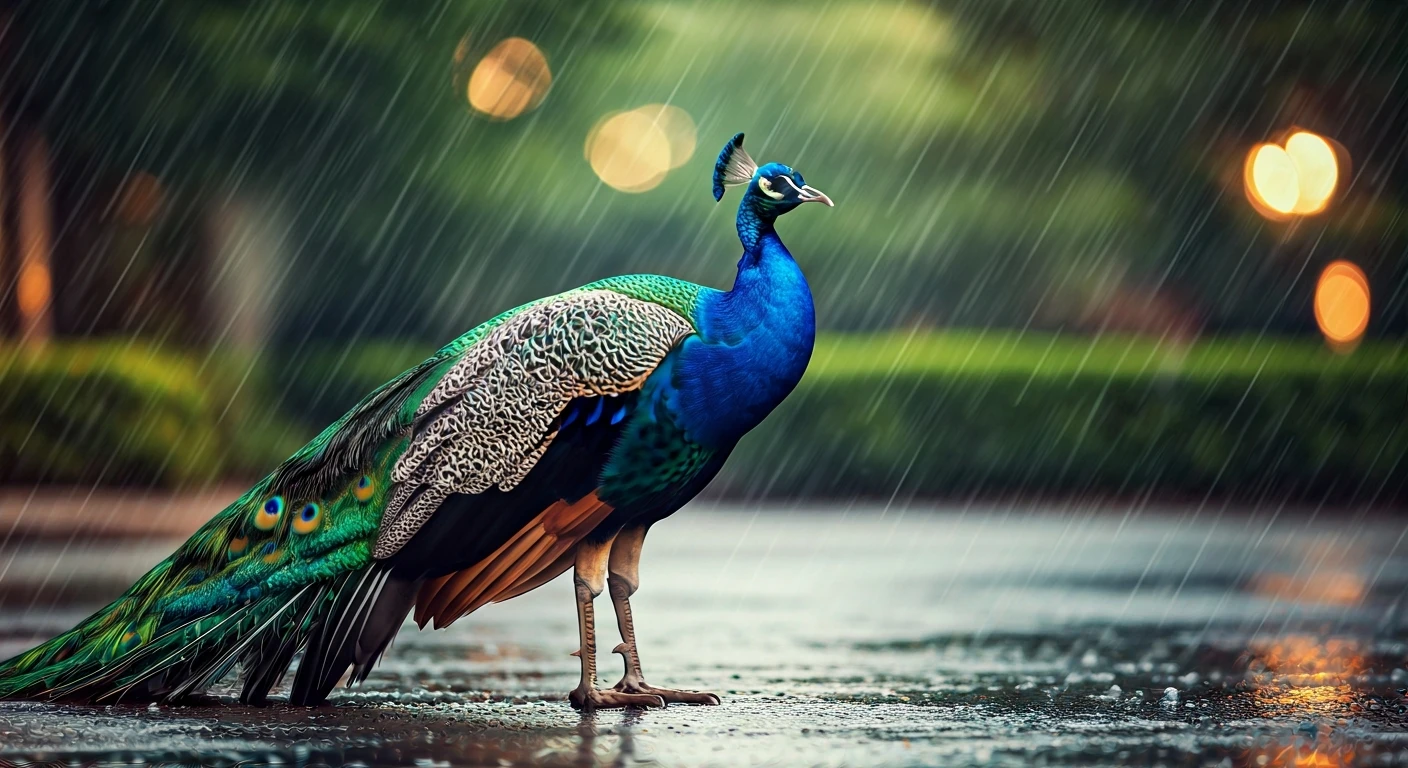
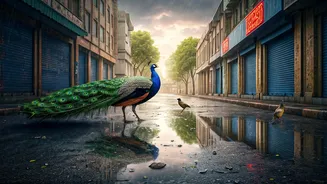
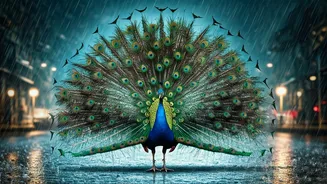
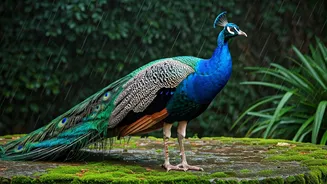
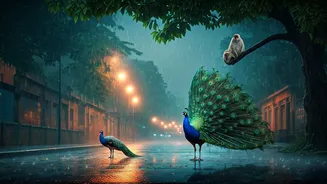
to call out to mates, and to signal that the coast is clear. With wet feathers needing a good preen and a smorgasbord of freshly surfaced insects to feast on, their activity levels spike. Look out for common city dwellers like mynas and sparrows splashing gleefully in freshly formed puddles. In Mumbai recently, the arrival of the monsoon even coaxed peacocks out onto the busy streets, a rare and stunning sight that captivated the city. This avian activity, set against the dramatic backdrop of post-rain skies, is a spectacle of survival and celebration.
The Great Insect Emergence
The rain is a powerful trigger for the insect world. The most obvious stars of this show are the earthworms. While many assume they surface to avoid drowning, that’s not quite the full story. Earthworms breathe through their skin and can survive underwater for days. The more likely reasons are that the wet surface allows them to travel much farther and faster than burrowing, or that the vibrations of the raindrops mimic those of predators like moles, prompting them to make a quick escape. Following them are the winged termites, often seen swarming around lights after the first heavy showers of the season. This is their nuptial flight, a brief, frantic search for a mate to start a new colony in the softened, damp soil. The sudden humidity also brings out mosquitoes, flies, and beetles, creating a veritable feast for other, larger creatures.
The Amphibian's Chorus
No post-rain scene in India is complete without the booming chorus of frogs. The monsoon is their prime time. For amphibians, the availability of water is directly linked to their survival and reproduction. The croaking you hear is predominantly from male frogs, and it serves two main purposes: attracting a female mate and warning off rival males from their territory. They need water to lay their eggs, and the temporary pools and flooded ditches left by a good shower are the perfect nurseries. Species like the Indian Bullfrog and various toads, which may remain hidden and dormant during drier periods, make their presence known with authority. Their symphony is one of nature’s most ancient and reliable signals that the season of renewal has truly begun.
The Mammal Street Theatre
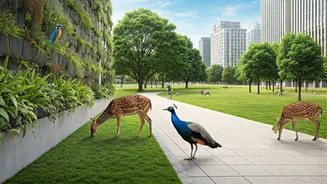
It’s not just the small creatures that get a new lease on life after the rain. Our urban mammal populations also take advantage of the change in weather. Squirrels seem to have an extra spring in their step, chasing each other up freshly washed trees and foraging for fallen nuts. In cities with populations of monkeys, the rains can bring a playful mood, with troops gathering around puddles for a drink or a splash. The cooler temperatures and clean air make it an ideal time for them to be active. Even more reclusive animals might be spotted. Heavy rains can sometimes flood the burrows of reptiles like snakes, forcing them into the open as they seek higher, drier ground, which can lead to unexpected encounters in residential areas. While not always a welcome sight, it’s a powerful reminder of the diverse ecosystems thriving just out of our everyday view.
A Photographer's Paradise
So why is this all considered “feed gold”? Beyond the sheer activity, the post-rain environment is a photographer's dream. The world is scrubbed clean, making colours appear more saturated and vibrant. The soft, diffused light that often follows a storm is flattering for any subject. Puddles offer the chance for stunning reflection shots, adding a layer of artistry to a simple photo of a bird or an insect. There's an inherent narrative in these moments—of resilience, renewal, and the beautiful, often-overlooked tenacity of nature. Capturing a tiny frog mid-croak or a bird shaking water from its feathers tells a story that resonates. It’s a chance to document the wild heart of our concrete jungles, proving that you don’t need to travel to a national park to witness incredible moments of nature. These scenes are happening right outside your window.