


What Exactly Are the Perseids?
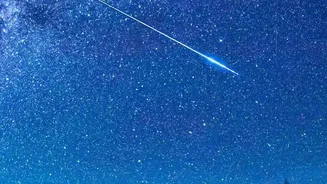
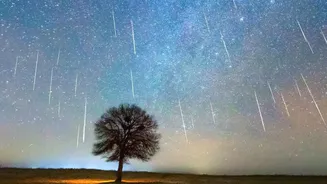
The Perseid meteor shower is an annual event that occurs when Earth passes through the trail of debris left by a comet named Swift-Tuttle. This comet, which takes 133 years to orbit the sun, sheds bits of ice and rock. When these tiny particles, many
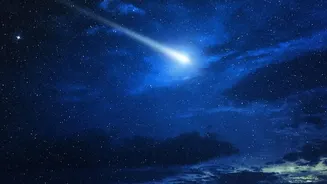
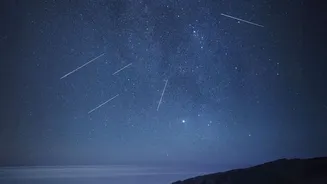
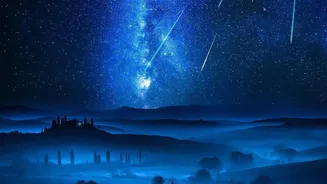
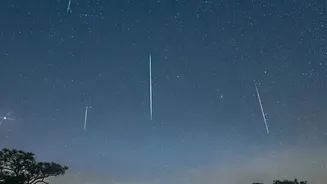
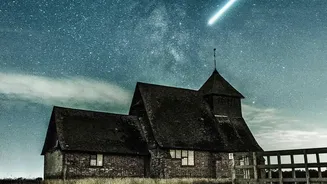
no larger than a grain of sand, enter our atmosphere at high speeds, they burn up and create the brilliant streaks of light we call meteors or 'shooting stars'. The Perseids are known for being bright, numerous, and for occasionally producing fireballs—larger, more vibrant meteors that can leave a glowing trail for several seconds.
Ideal Viewing: A Perfectly Dark Sky
This year is exceptionally good for watching the Perseids. The shower's peak on the night of August 12-13 coincides with a new moon. This means the sky will be completely dark, without any moonlight to wash out the fainter meteors. Under these ideal, moonless conditions, skywatchers in dark locations could see between 50 and 100 meteors per hour during the peak. This alignment of a prolific meteor shower with a new moon is a rare opportunity for a truly stunning natural light show.
When and Where to Look
The Perseids are active from mid-July to late August, but the best time to watch is during the peak. For India, the peak will occur on the night of August 12 and into the pre-dawn hours of August 13. The absolute best viewing window is expected between 2:00 AM and sunrise on August 13, when the shower's radiant point—the spot in the sky where the meteors appear to originate in the constellation Perseus—is high in the sky. You don’t need to look directly at Perseus; in fact, meteors can appear anywhere in the sky. Just find a comfortable spot, lie back, and look up. No special equipment is needed; the show is best viewed with the naked eye.
The Monsoon: A Skywatcher's Greatest Challenge
For most of India, the biggest obstacle to enjoying the celestial fireworks will be the weather. Mid-August is the heart of the monsoon season, which often brings heavy cloud cover, making stargazing difficult or impossible. Weather forecasts for August across many parts of the country suggest a typical monsoon pattern of cloudy skies and rain, which could obscure the view. However, the monsoon isn't a continuous blanket of cloud. Breaks can and do happen, and even a brief window of clear sky can offer a memorable glimpse of the shower.
Tips for a Successful Viewing
Despite the monsoon, you can still try your luck. Start by getting away from city lights, as light pollution drastically reduces the number of visible meteors. Find an open area with a wide view of the sky. Give your eyes at least 20 to 30 minutes to fully adapt to the darkness; this means avoiding looking at your bright phone screen. Using a red-light torch can help preserve your night vision. Keep a close eye on short-term local weather forecasts. Apps and websites can provide cloud cover predictions that might help you find a clear patch. Be patient. You might have to wait for a break in the clouds. For those truly dedicated, traveling to a rain-shadow region like Ladakh, Spiti, or parts of Rajasthan could offer a higher chance of clear skies.