







An Emergency Brake on the School Year
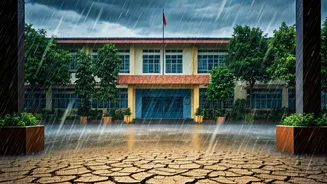
In a direct response to a relentless heatwave gripping the state, the Uttar Pradesh government has extended summer vacations for schools under the Basic Education Council and other recognised institutions. [3, 5] Initially scheduled to end earlier, the break
was pushed until June 24, with classes now set to begin on June 25. [3, 6, 7] This decision, taken under the direction of Chief Minister Yogi Adityanath, prioritises the health and safety of students who face significant risks from extreme temperatures. [4, 7] The move came after some schools had already reopened, only to be closed again by the fresh directive, highlighting the urgent and reactive nature of the measure. [6, 7]
Seeking Uniformity in a Crisis
This calendar adjustment is not just a temporary fix but a new, formalised policy. According to an order from the Additional Chief Secretary, summer vacations will now officially be observed from May 20 to June 24 every year. [3, 4] Officials hope this will create a uniform academic schedule across the state and prevent the annual chaos of district-level magistrates issuing repeated, last-minute holiday extensions. [4, 6] In previous years, such localised decisions led to a fragmented and unpredictable calendar. By standardising the vacation period, the government aims to provide a clear and stable schedule for students, parents, and teachers to plan around. [4]
The Cost of Lost Classroom Days
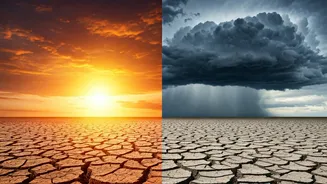
While extending holidays protects children from immediate health risks like heatstroke and exhaustion, it raises serious concerns about the long-term impact on education. [8, 12] Studies have shown that prolonged exposure to high temperatures significantly impairs cognitive function and concentration, making learning difficult even for students who are in school. [13, 14] Forcing children to attend classes in poorly ventilated rooms with concrete roofs that trap heat can be counterproductive and dangerous. [8, 14] The challenge, however, is that these closures disrupt the academic year, potentially impacting syllabus completion and exam preparedness. This disruption represents a significant loss of learning time, with some estimates suggesting Indian students already lose about 10% of school days annually due to climate-related events. [8, 20]
A Nationwide Pattern of Disruption
Uttar Pradesh is not alone. States across India, from Delhi and Rajasthan to West Bengal and Bihar, are increasingly resorting to altering school schedules to cope with extreme heat. [5, 8] This includes extending summer breaks, advancing school timings to cooler morning hours, and suspending outdoor activities. [8, 12] These reactive measures underscore a nationwide trend where educational systems are struggling to adapt to a climate that is becoming more hostile. [14] The issue is becoming so prevalent that it's forcing a broader conversation about how to make schools resilient, with some even considering a permanent shift away from the traditional academic calendar. [17]
Beyond Holidays: The Need for Climate-Proof Schools
Experts agree that while necessary, longer holidays are a short-term solution to a long-term crisis. The core problem lies with school infrastructure that is ill-equipped for a warmer world. [14] Many schools, particularly in rural and low-income areas, have concrete buildings, metal roofs, and poor ventilation, which create dangerously hot indoor environments. [8, 14] The long-term answer requires significant investment in climate-resilient infrastructure: better ventilation, access to clean drinking water, shaded play areas, and potentially even air conditioning. [12, 13] Without addressing the fundamental vulnerability of the school environment, simply shuffling dates on a calendar will not be enough to protect either the health or the education of millions of children. [13, 14]