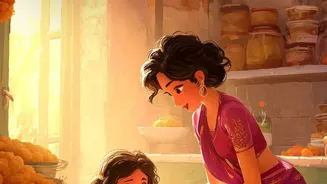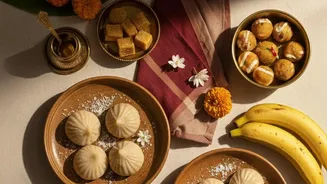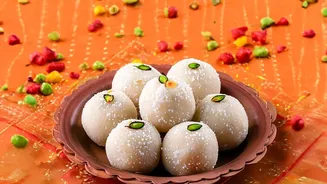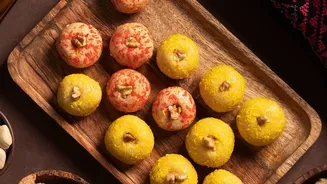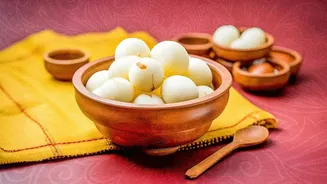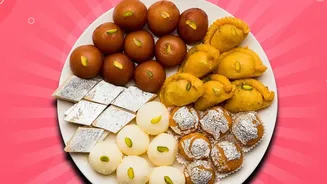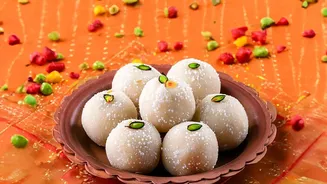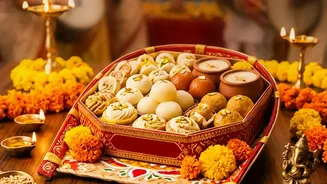

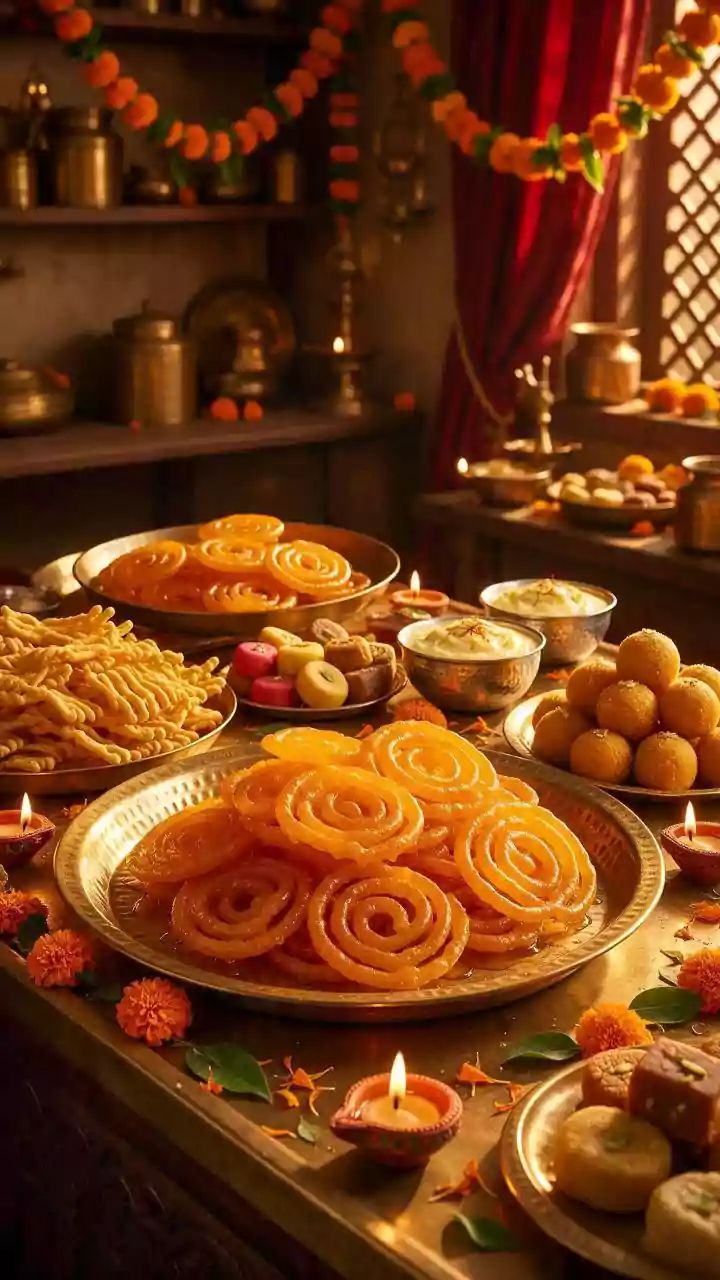

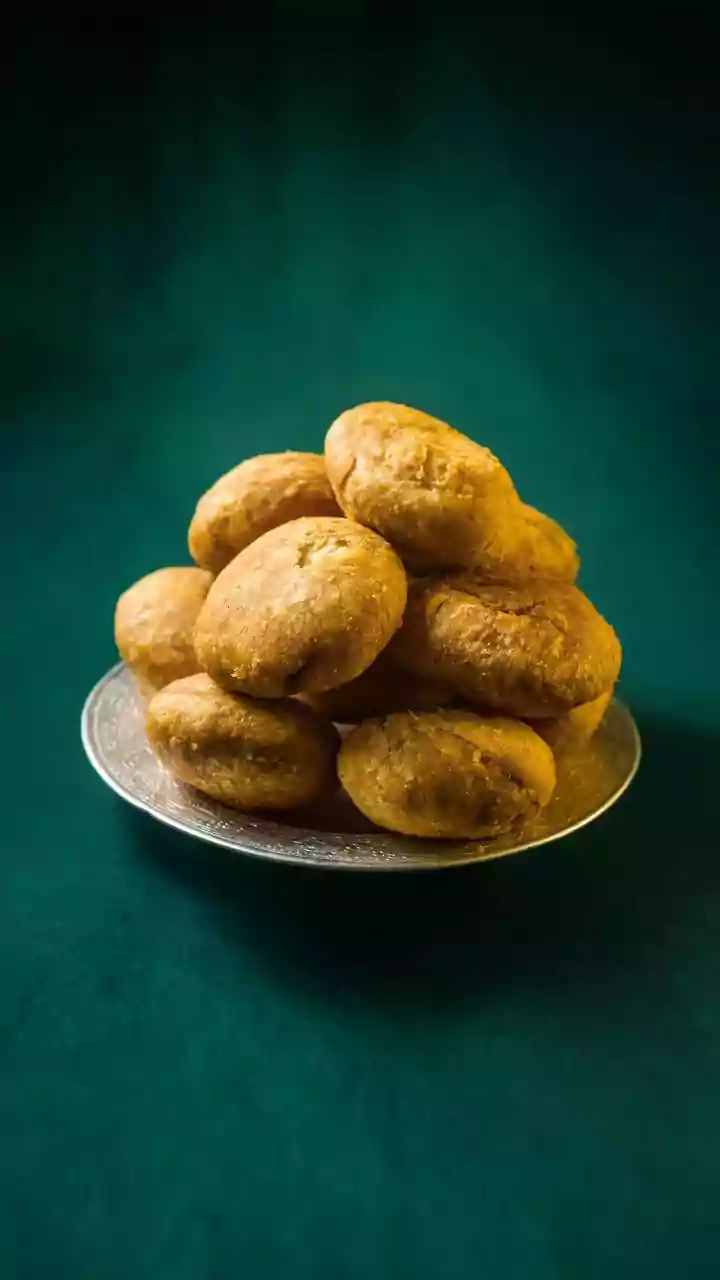
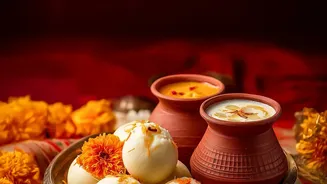
The quintessential Indian festive tray is a portrait of joy: glistening ladoos, fragrant barfis, and other homemade treasures. But look closer this year. Next to grandma’s besan ladoo, you might find a lavender-infused peda. Here’s why.
The New Sweet Reality: Convenience is King
For generations,
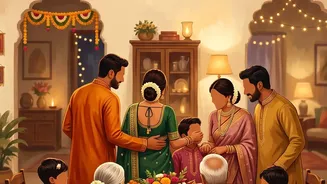
the run-up to any major festival in India involved days of preparation, with kitchens buzzing and families coming together to craft elaborate sweets and savouries. However, in today's fast-paced urban landscape, this tradition is becoming a luxury many can no longer afford. Hectic work schedules and the transition to nuclear family structures mean fewer hands and less time for the laborious process of making mithai from scratch. Store-bought sweets, both traditional and modern, have seamlessly filled this gap. The ability to order high-quality, diverse options online and have them delivered to your doorstep has transformed festive preparations from a multi-day culinary marathon into a matter of a few clicks. This shift is not about a loss of festive spirit but an adaptation to modern realities, where convenience helps preserve the joy of celebration without the associated stress.
A Global Palate Meets Indian Tradition
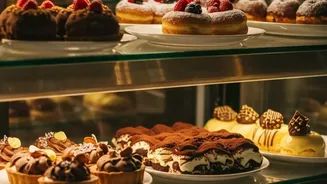
The Indian palate is evolving faster than ever. Younger generations, exposed to global cuisines and dessert trends, are developing a taste for new and complex flavour profiles. This has paved the way for 'fusion mithai' — a delightful intersection of Indian tradition and international dessert concepts. Think of rasmalai layered into a tiramisu, gulab jamun nestled in a cheesecake, or kaju katli infused with rose or coffee. Brands like Bombay Sweet Shop and others have pioneered this movement, creating sweets that are both nostalgic and novel. This trend reflects a modern Indian identity: one that is deeply rooted in its culture yet open to global influences, seeking experiences that feel both familiar and exciting.
The Rise of the Artisanal Mithai-wala
The humble neighbourhood sweet shop is facing chic competition. A new wave of artisanal and gourmet 'mithai-walas' has emerged, positioning Indian sweets as a luxury product, much like fine chocolates or pastries. These boutique brands focus on premium ingredients, sophisticated craftsmanship, and elegant, giftworthy packaging. Offerings like saffron topped barfi, pistachio and chocolate creations, and even alcohol infused mithai are marketed not just as sweets, but as a complete sensory experience. This premiumisation has elevated the status of mithai, especially in the context of gifting. A beautifully packaged box of artisanal sweets has become a statement of taste and thoughtfulness, making it a popular choice for corporate and personal gifting during the festive season.
If It Isn't on Instagram, Did It Even Happen?
In the age of social media, we eat with our eyes first. The visual appeal of food has become as important as its taste, and fusion sweets are perfectly poised for this digital stage. Their vibrant colours, intricate designs, and often surprising forms make them incredibly 'Instagrammable'. Food bloggers and influencers have played a significant role in popularising these creations, setting trends and shaping consumer perceptions. A beautifully shot reel of a 'kunafa meets mithai' creation or a colourful 'mithai macaroon' can instantly create buzz and drive demand. This visual feast adds a new layer to festive celebrations, allowing people to share their joy and aesthetic sensibilities with a wider audience online.
Tradition Isn't Disappearing, It's Expanding
The arrival of fusion sweets on the festive tray doesn't signal the end of traditional mithai. Rather, it represents an expansion of choice. The headline says it best: they are 'joining', not replacing. Many households now feature a mix of both — the comforting familiarity of a homemade ladoo alongside the exciting novelty of a store bought fusion creation. This blend allows for the preservation of family recipes and rituals while also embracing the creativity and convenience of the modern market. It’s a reflection of how traditions evolve; they don’t remain static but adapt, absorb new influences, and find new ways to remain relevant to the current generation.