






Unpacking the Alarming Numbers
The India Meteorological Department (IMD) has painted a concerning picture for the start of the 2024 monsoon season. While the national average deficit hovers around 20% for the first few weeks of June, the headline figure of a 46% deficit reflects the grim
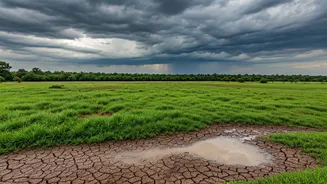
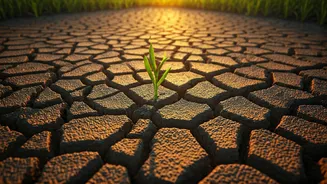
reality in specific, hard-hit regions. Northwest India, in particular, has seen a deficit of over 60%, with central India also experiencing a significant shortfall. This isn't just a delayed start; it's a prolonged dry spell during a crucial period. The monsoon's progress has been sluggish since its arrival over Kerala, stalling for extended periods and leaving farmers anxiously scanning the skies. This pattern of weak progression is the primary driver behind these worrying statistics, which represent a major deviation from the long-period average expected for this time of year.
The Direct Hit on Agriculture
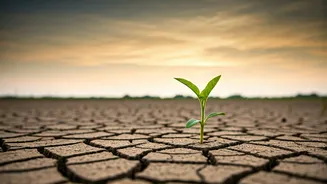
For India's agricultural heartland, the monsoon is everything. The timing of the first rains is critical for the sowing of Kharif (summer) crops, which include essentials like rice, pulses, soybeans, and cotton. These crops account for nearly half of India's total food grain production. With the rains failing to arrive on time, millions of farmers are in a state of high alert. The window for sowing is shrinking, and any further delay could force them to switch to less profitable, shorter-duration crops or, in the worst-case scenario, abandon sowing altogether. Many have already prepared their fields, investing money in seeds and fertilisers that now lie unused. The economic stress is immediate, as farmers are forced to spend more on diesel to run pumps for irrigation, pushing up their input costs even before a single seed has sprouted.
From Fields to Your Kitchen
The ripple effect of a weak monsoon extends directly to every Indian household. A delay in sowing and potential reduction in crop yields inevitably lead to supply constraints. This pressure on supply, combined with existing inflationary trends, could drive up the prices of vegetables, pulses, and other food staples in the coming months. The government is already on high alert, with concerns that food inflation could disrupt economic stability. A poor Kharif season puts pressure on food reserves and can limit the government's ability to control prices through market interventions. In essence, the rain that fails to fall in a remote village in Maharashtra or Uttar Pradesh can directly impact the monthly budget of a family in Mumbai or Delhi.
Cities Feel the Heat
While the focus is often on rural India, the urban landscape is far from immune. A deficient monsoon has a direct and immediate impact on water availability in cities. The country's major reservoirs, which supply drinking water and power to urban centres, are critically dependent on monsoon replenishment. As of mid-June, water levels in many of India's 150 primary reservoirs were already below last year's levels and the 10-year average. A continued deficit will mean mandatory water cuts, increased reliance on expensive private water tankers, and a potential drinking water crisis in several major cities. Furthermore, a significant portion of India's electricity comes from hydropower, which is also at risk when reservoir levels plummet.
Is There Hope on the Horizon?
All eyes are now on the IMD's forecast for July, which is the most crucial month for monsoon rainfall. Meteorologists offer a glimmer of hope, pointing to the weakening of the El Niño phenomenon, which is often associated with supressed monsoon rains. The potential emergence of a La Niña in the latter half of the season could provide a much-needed boost, leading to heavier rainfall in August and September. The IMD has maintained its forecast of an 'above-normal' monsoon for the season as a whole, banking on this second-half recovery. However, the damage from a poor start can be hard to undo. The distribution and timing of the rain are just as important as the total volume. For now, the nation waits, hoping the monsoon revives quickly to salvage the Kharif season and replenish the country's precious water resources.