







From Idea to App in Minutes
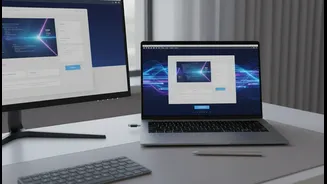
Imagine describing a project tracker or a sales dashboard in plain English and having a functional web application appear moments later. This is the promise of OpenAI's new feature, officially called 'ChatGPT Sites', now in a public beta. Instead of starting
with a blank canvas or code editor, users can simply state their requirements within ChatGPT. The system then generates an interactive website or lightweight app, complete with layouts and even the ability to connect to data sources. This isn't about building a simple marketing page; it's about creating interactive tools like internal portals, product prototypes, and live reports that can be published and shared with a unique URL.
It's About Function, Not Just Form
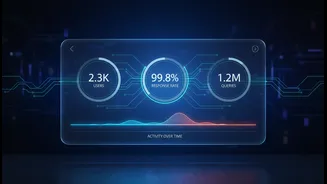
This new tool is fundamentally different from traditional website builders. While platforms like Wix or Squarespace excel at creating beautiful, public-facing marketing sites, ChatGPT Sites is engineered for a different purpose: functionality. The focus is less on the digital storefront and more on the operational engine room of a business or project. Think of it as a way to build the tools you use to run your operations—customer support dashboards, project management boards, or calendars for publishing content. Early reports confirm its strength lies in building applications that do things, like display real-time data or manage user workflows, a task that has historically required specialised software or development skills.
A New Superpower for Small Teams
For small businesses and creators, particularly within India's bustling startup and creator economy, this tool could be a revolutionary equaliser. Previously, creating a custom dashboard or a unique portal for clients required hiring a developer or mastering complex no-code platforms. This technology effectively acts as an on-demand developer, drastically lowering the barrier to entry. A small e-commerce brand could prototype an inventory tracker in an afternoon. A solo creator could build a personalized portal for their subscribers without writing a single line of code. This ability to rapidly create internal tools and client-facing apps could save teams significant time and money, allowing them to focus on growth and customer service.
How Students Can Leap Ahead
The implications for education are profound. Students across design, engineering, and business disciplines often create mockups or static presentations of their ideas. With a tool like ChatGPT Sites—available for 'Edu' accounts—they can now build and present genuinely functional prototypes. A business student can move beyond describing a new operational model and actually demonstrate it with a working dashboard. An engineering student can create an interactive prototype of an application without getting bogged down in front-end code. This provides a massive advantage in projects, internships, and the job market, enabling them to showcase practical, real-world skills that were previously out of reach for non-coders.
The Bigger Shift: From Drag-and-Drop to Describe-and-Generate
The true revolution here isn't just about making things easier; it’s about fundamentally changing the creative process. For the last decade, the 'no-code' movement was defined by dragging and dropping pre-built visual elements. This new paradigm is about describing an outcome in natural language. Instead of thinking like an assembler piecing together a puzzle, a user can now think like a director articulating a vision. You describe the audience, purpose, and required behaviour, and the AI handles the technical execution. This shift lowers the barrier to creation so dramatically that the central question changes from, "How do I build this?" to, "What is the best possible tool to build for this problem?"