
Rethinking Floors and Pathways
Slippery surfaces like hardwood, tile, or laminate can be treacherous for a pet with arthritis or muscle weakness. A loss of traction can lead to falls and injuries, making your pet anxious about moving around. Creating safe pathways is one of the most
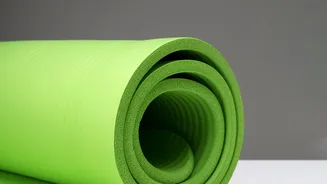
effective changes you can make. Strategically placing non-slip rugs or carpet runners in high-traffic areas—such as from their bed to their water bowl or to the back door—provides crucial grip. Yoga mats or interlocking foam puzzle mats are excellent, easy-to-clean options for key slip zones, like in front of food stations. For pets who will tolerate them, anti-slip socks or paw grips that apply directly to their paw pads can offer additional stability. It is also important to maintain a consistent furniture layout. Senior pets, especially those with vision loss, rely on memory to navigate. Rearranging the room can cause confusion and distress.
Creating a Comfortable Resting Area
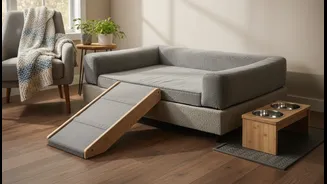
As pets age, they often sleep more and may have trouble regulating their body temperature. An orthopedic bed with memory foam can provide significant relief for sore joints by distributing weight evenly. Ensure the bed is placed in a warm, quiet, and draft-free part of the house. If your home has multiple levels, consider keeping a comfortable bed on the main floor to minimize their need to use stairs. For cats who love high perches, adding ramps or pet stairs can help them continue to access their favourite spots without the pain of a high jump. The same goes for dogs who love to snuggle on the couch or bed. A sturdy ramp or set of appropriately sized pet stairs can prevent the strain that jumping puts on aging joints.
Adapting Feeding and Watering Stations
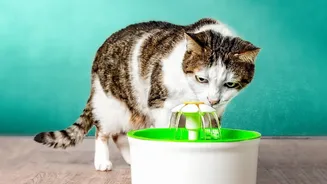
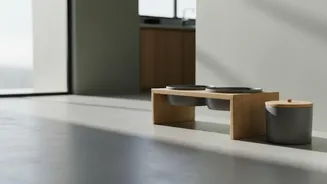
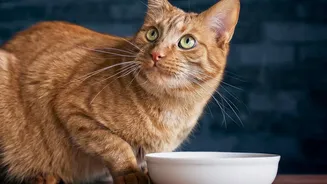
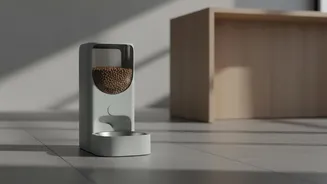
Bending down to eat from a bowl on the floor can strain an older pet’s neck, shoulders, and back, especially if they have arthritis. Switching to elevated food and water bowls can make mealtimes much more comfortable. The ideal height allows your pet to eat and drink with a neutral spine, typically around elbow level. Providing multiple water stations throughout the house, particularly if you have a multi-level home, encourages hydration by ensuring they don't have to travel far for a drink. For cats, a low-entry litter box can make a world of difference, as climbing over high sides can become difficult and painful. Placing multiple litter boxes in accessible locations can also prevent accidents.
Enrichment for a Less Mobile Pet
Physical limitations don't mean the end of play and mental engagement. In fact, mental stimulation is crucial for a senior pet's quality of life and can help slow cognitive decline. Food puzzle toys and snuffle mats are excellent ways to engage their minds and natural foraging instincts without requiring strenuous activity. These toys make them work for their food, which provides a sense of accomplishment. Short, gentle walks that allow for plenty of sniffing can be very enriching for dogs. For pets who are largely stationary, you can still teach them new, low-impact tricks like 'touch' (with their nose) or 'speak'. Even just spending quiet time together, like reading aloud in a calm voice, can be soothing and strengthen your bond.