


The Soul in the Imperfect
For years, the goal for many was a picture-perfect home, with crisp lines and matching sets that looked like they were lifted from a catalogue. But a home is not a showroom. As we seek more authentic ways of living, there's a growing desire for our spaces
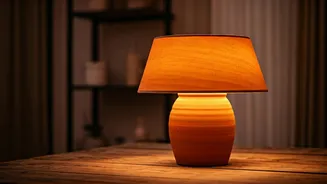
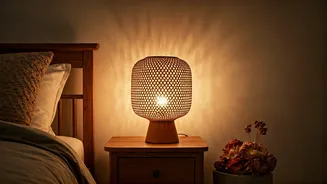
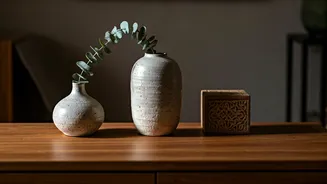
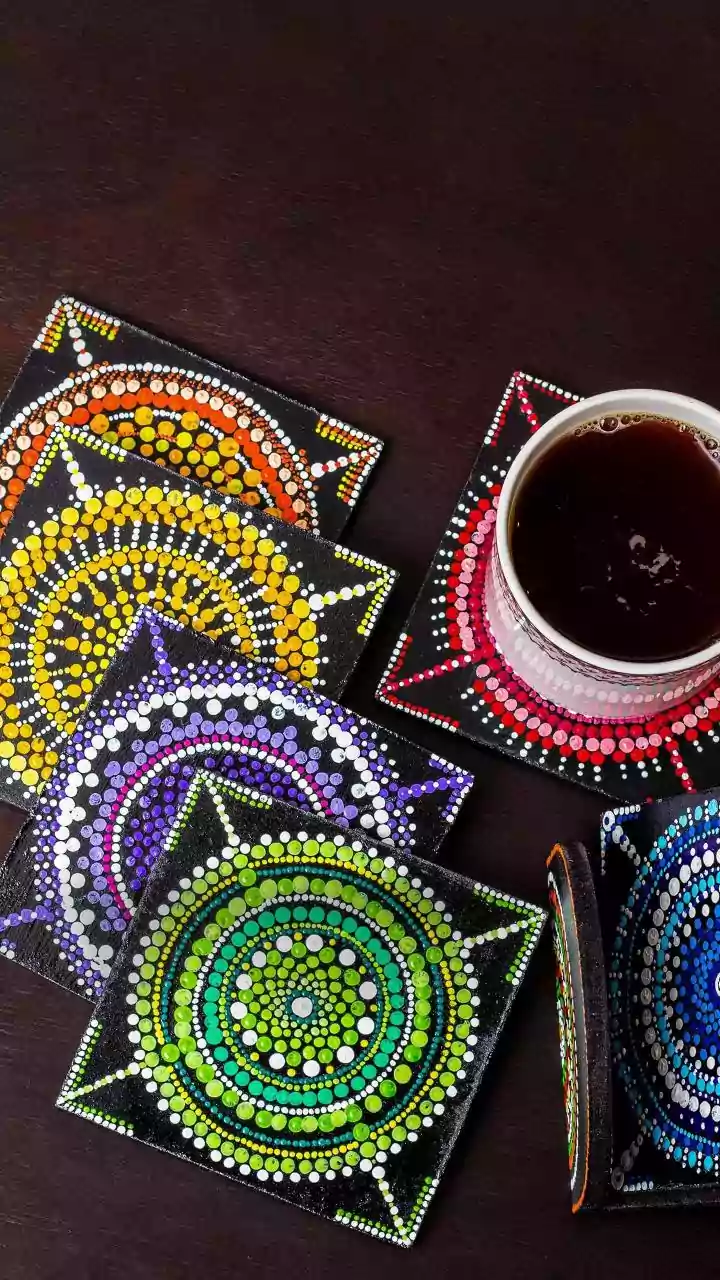
to reflect who we are, not just the latest trend. This is where handmade pieces come in. Unlike factory-made items, which are designed to be identical, a handcrafted object is one-of-a-kind. It carries the subtle marks of the maker's hands, a slight variation in colour, or a unique texture that no machine can replicate. These so-called imperfections are not flaws; they are the signature of the human touch, imbuing the object with a character and warmth that mass-produced goods often lack.
Every Object Tells a Story
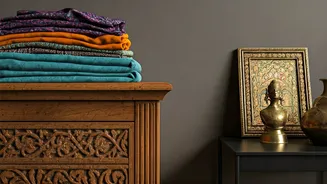
A handmade piece is more than just decoration; it's a narrative object. Its story might be about the artisan who spent hours shaping the clay for a ceramic vase, the cultural traditions behind a handwoven textile, or the journey of the reclaimed wood used to build a small stool. When you bring these items into your home, you become part of their story. They become conversation starters, connecting you and your guests to a history, a place, and a person. Choosing a Dhokra brass figurine from Bastar or a hand-painted Madhubani tray is an act of patronage, supporting craft communities and helping to keep ancient techniques alive. Your living room shelf is no longer just a surface; it’s a gallery of stories.
A Connection to Nature and Sustainability
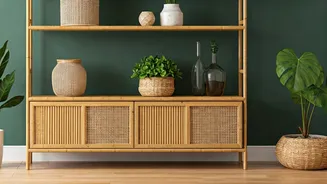
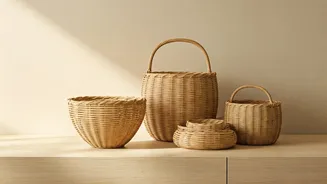
The trend towards handmade is closely linked to a growing consciousness about sustainability. Many artisans prioritise eco-friendly practices, using locally sourced, natural, or recycled materials that are kinder to the planet than industrial manufacturing processes. In India, this trend manifests as a return to earthy palettes and materials. Think terracotta planters, jute baskets, and furniture made from solid woods like sheesham or mango. These natural materials not only have a lower environmental impact but also foster a deeper connection to the natural world, a concept known as biophilic design. By choosing well-crafted, durable items over disposable decor, you are making a more thoughtful and sustainable choice.
The Psychological Comfort of Craft
There’s a deeper, psychological reason why we’re drawn to handmade objects. Engaging with craft, either by making things ourselves or by living with items made by others, has proven mental health benefits. Research suggests that activities involving the hands can reduce stress and anxiety, creating a calming effect similar to meditation. A home filled with objects that were created with intention and care feels more nurturing and personal. It fosters a sense of well-being and satisfaction that a sterile, impersonal environment cannot provide. The tactile quality of a hand-thrown mug or a rough-hewn wooden bowl connects us to the world in a tangible way that smooth, synthetic surfaces do not.
How to Start Weaving Your Own Story
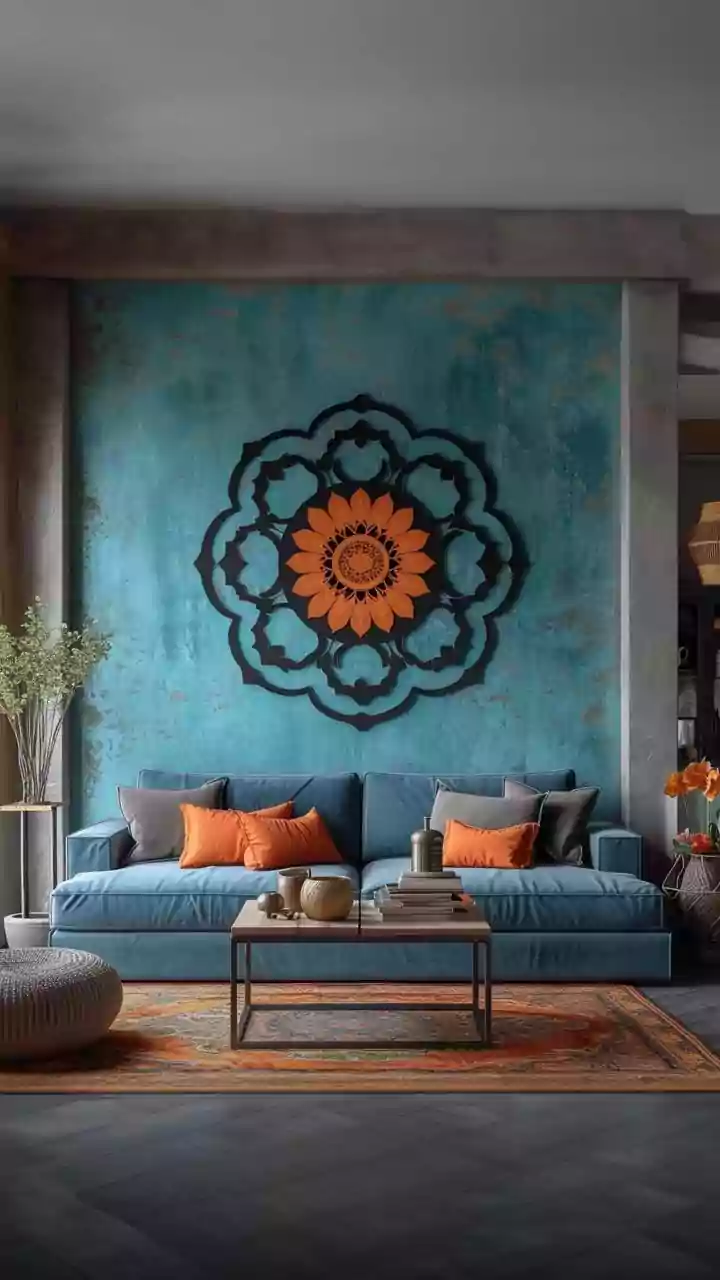
Incorporating handmade pieces doesn't require a complete overhaul of your home. The beauty of this approach is that it’s personal and can be built over time. Start small. Swap out a generic decorative bowl for a ceramic piece from a local potter. Add a single, vibrant handloom cushion cover to a neutral sofa. Instead of buying another mass-produced print, invest in a small painting or a unique craft object from a regional artisan. The goal is not to follow a set of rules but to curate a collection of items that speak to you personally. Choose sentiment over symmetry, and meaning over fleeting trends.