



More Than a Game: A National Identity
To understand the fervor, you have to understand that cricket is a powerful, unifying force in a nation of immense diversity. In a country with countless languages and cultures, the cricket team is a singular entity that everyone can rally behind. A victory
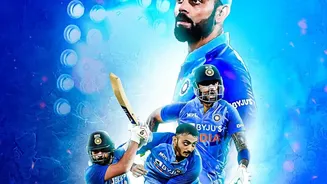
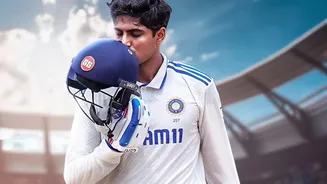
for the Indian team feels like a personal victory for its billion-plus fans, a moment of collective national pride. This deep emotional investment transforms players from mere athletes into symbols of the nation's aspirations and struggles. Their journey becomes a national narrative, and their success provides a sense of shared achievement that transcends regional and social divides. This is why a loss can feel like a personal failure to many, and a win can bring the entire country to a standstill in celebration.
The Rise of the Cricketer-Celebrity
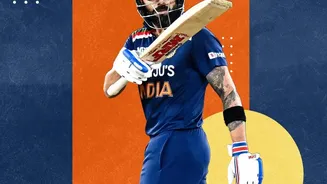
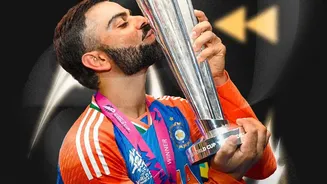
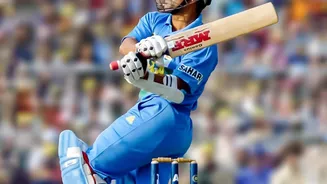
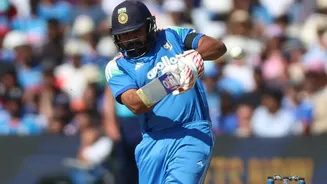
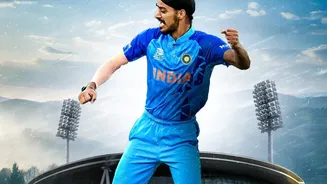
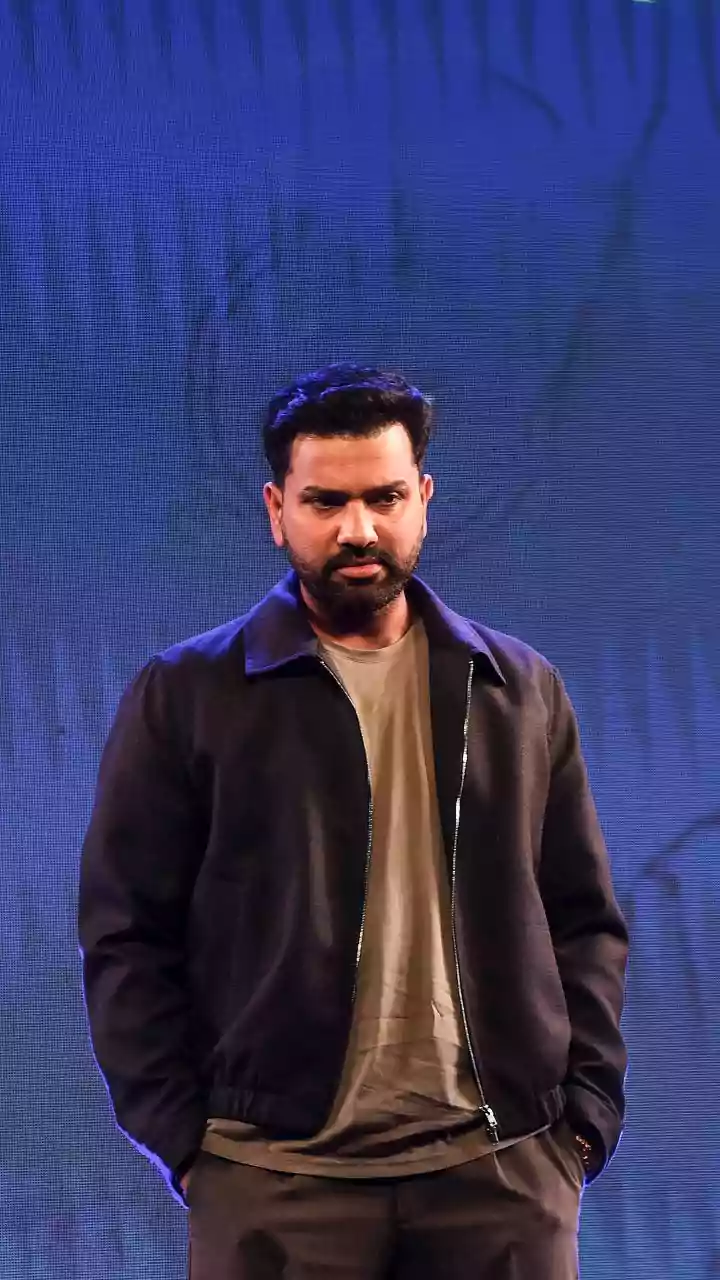
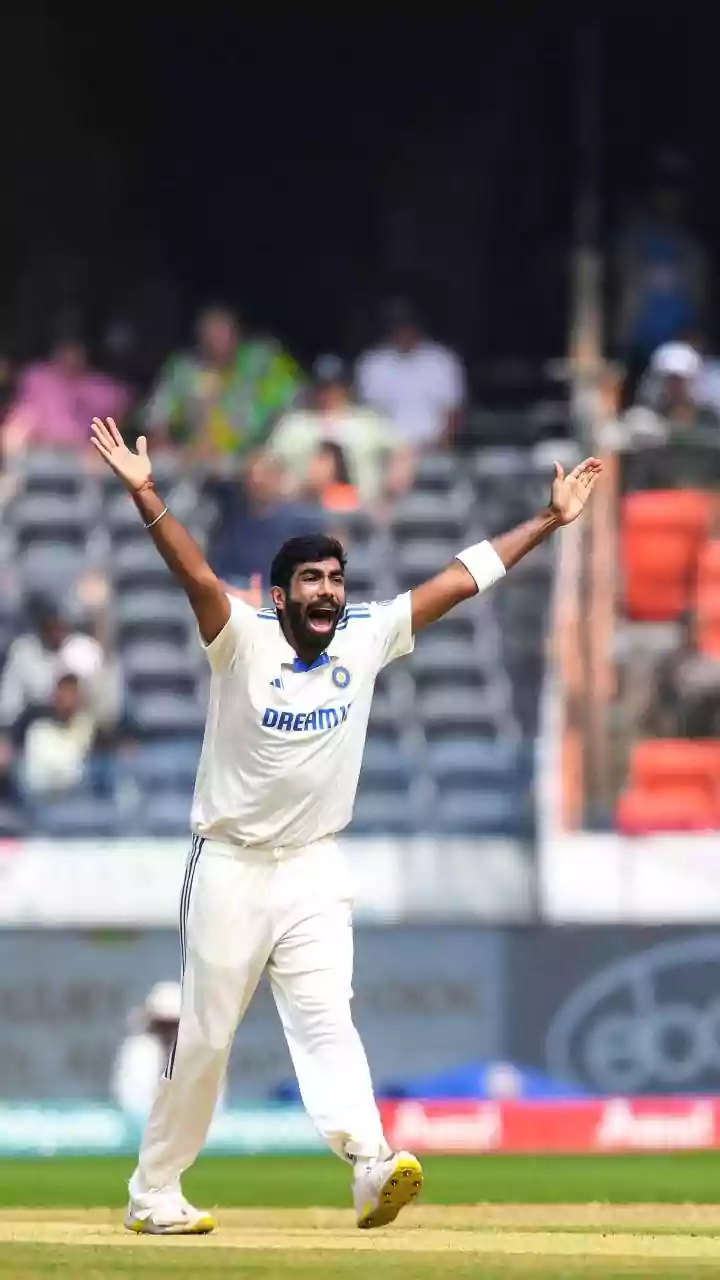
The lines between athlete and celebrity in India are incredibly blurred, and top cricketers are among the country's biggest stars. With massive brand endorsement deals and a constant media spotlight, players like Virat Kohli, MS Dhoni, and Rohit Sharma have cultivated personas that extend far beyond the cricket pitch. Kohli's brand value, for instance, has been reported to be over $200 million, making him one of the most valuable celebrity brands in the country. This commercialization turns them into household names and faces, seen on television screens advertising everything from cars to soft drinks. Their lives, fitness routines, and off-field activities are followed just as closely as their batting averages, creating a parasocial relationship where fans feel a one-sided personal connection to their heroes.
The IPL Effect: Localising the Mania
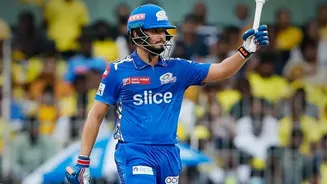
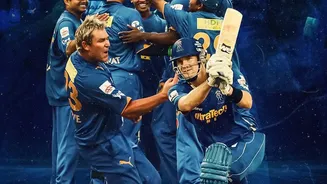
The Indian Premier League (IPL) revolutionised cricket fandom by adding a layer of regional loyalty to the mix. Suddenly, fans had city-based teams to support, creating intense local rivalries and a festival-like atmosphere around the sport. The IPL’s fast-paced, star-studded format brought in a new audience, blending cricket with Bollywood glamour and high-octane entertainment. This has also amplified player-centric fandom. While national duty unites everyone, the IPL divides loyalties, with fans fiercely supporting the franchise their favourite player represents. The chants of "Dhoni, Dhoni!" in Chennai or the sea of red for Royal Challengers Bangalore are testament to how the league has built powerful, identity-driven fan communities.
A Legacy of Heroes and Hope
The culture of hero-worship in Indian cricket is not new; it's built on a legacy of iconic figures. Each generation has had its hero, from Sunil Gavaskar and Kapil Dev to Sachin Tendulkar, who is often referred to as the "God of Cricket." These players were more than just run-scorers; they were figures of hope and inspiration. The story of a player like MS Dhoni, who came from a small town to lead the national team to historic victories, offers a powerful and relatable narrative of success against the odds. Fans internalise these journeys, seeing them as proof that dreams can come true. This creates an enduring bond, where a player's legacy is passed down through generations, solidifying their god-like status long after they retire.