





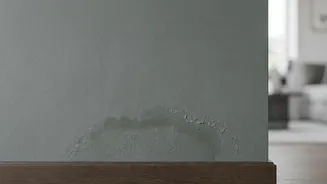

Inspect Walls and Ceilings for Telltale Signs
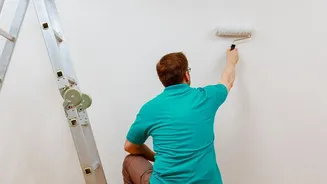
Your walls are the first place to show monsoon-related distress. Walk through each room and look closely for signs of water damage. Peeling, bubbling, or cracking paint is a clear red flag that moisture is trapped underneath. Also, look for faint, yellowish-brown
stains on ceilings and walls, which indicate a leak that may have already dried. Pay special attention to corners and the areas where walls meet the ceiling. Feel the walls for damp or cool spots, which can signal hidden moisture even if the surface looks dry. A persistent musty smell is another strong indicator that mould or mildew might be growing, even if you can't see it yet. These odours often point to moisture trapped behind wallpaper or within wall cavities.
Hunt for Hidden Leaks
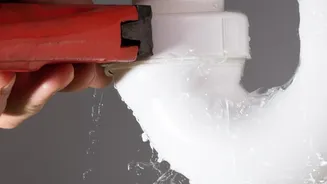
Not all leaks are obvious drips. After heavy rains, water can find its way into hidden places. Check under sinks, behind toilets, and around appliance connections. Look in closets that share an exterior wall, as these dark, enclosed spaces are prone to unnoticed dampness. Warped baseboards or shelving inside a closet can be a sign of water infiltration. If you suspect a leak but can't find its source, your water bill might offer a clue; an unexplained spike in usage often points to a hidden problem. You can also listen for the sound of running or dripping water when all taps and appliances are turned off. For a more definitive check, a moisture meter can detect dampness within walls that isn't visible to the naked eye.
Examine Wooden Furniture and Doors
Wood is highly susceptible to humidity. During the monsoon, it absorbs moisture from the air, causing it to swell. This is why you might find drawers sticking and doors refusing to close properly. Now that the air is becoming drier, check your wooden furniture for any lasting damage. Look for swelling, warping, or cracking. It's crucial to keep furniture, especially large pieces like wardrobes and beds, a few inches away from damp external walls to allow for air circulation. Wipe down all wooden surfaces with a dry cloth to remove any residual moisture. Applying a fresh coat of polish or wax can create a protective barrier for the future. This is also a good time to check for termites, which thrive in damp wood.
Secure Your Electrical Systems
Water and electricity are a dangerous combination, and moisture can linger in your home's wiring long after the rain has stopped. A post-monsoon electrical check is non-negotiable for safety. Visually inspect all outlets, switches, and junction boxes for any signs of moisture, rust, or discoloration. Be alert for any buzzing or crackling sounds from outlets or switches, or if they feel hot to the touch. If any circuit breakers have been tripping frequently, it could signal a problem with the wiring. If you experienced any significant leaks or flooding near electrical points, do not attempt to fix it yourself. It's essential to have a qualified electrician inspect the system, as water can cause corrosion and degradation inside wires and components that are not visible.
Check the Roof, Terrace, and Drains
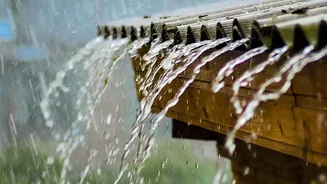
The source of many internal leaks is the roof and terrace. Now that the heavy rains have subsided, it's the perfect time to inspect these areas. Look for cracked or missing roof tiles, and check for any signs of pooling water. Clear any leaves, debris, or sludge from rooftop gutters and drainage pipes to ensure water can flow freely during the next rainfall. Clogged drains are a primary cause of water overflowing and seeping into the building's structure. While you are on the terrace, check the condition of any external waterproofing to ensure it hasn't developed cracks.
Ventilate and Address Pest Problems
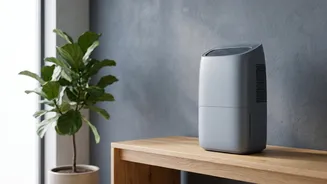
After weeks of closed windows, it's time to air out your home thoroughly. Open windows and doors on dry, sunny days to allow fresh air to circulate and help dry out any lingering dampness. This ventilation is crucial for preventing mould growth. The post-monsoon period is also a peak time for pests. Damp soil and flooded hiding spots drive insects like ants, cockroaches, and termites indoors in search of shelter. Ensure there is no standing water around your home, as this is a breeding ground for mosquitoes. Seal any new cracks or gaps in walls, windows, and door frames to block entry points for pests.