






The Irreplaceable Magic of the Big Screen
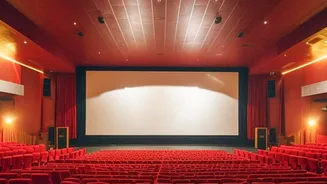
Despite the massive growth of streaming, the magic of the movie theatre remains potent. For many, cinema is not just about watching a film; it is a cultural event, a celebration. The big screen offers an immersive, collective experience that a living
room cannot replicate. The booming sound, the giant visuals, and the shared gasps, laughs, and applause of a packed hall create a unique emotional intensity. This is especially true for the larger-than-life 'event films'—the VFX-heavy blockbusters and star-studded spectacles that are designed to be a sensory overload. These movies transform a simple viewing into a community gathering, a reason to leave the house and participate in a shared cultural moment. Recent box office records, which have hit all-time highs, prove that audiences will still turn up in droves for the right kind of spectacle.
The Rise of Personal, Curated Viewing
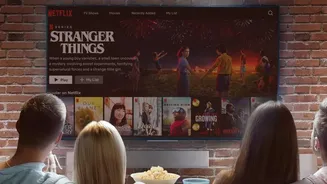
On the other side of the coin is the undeniable appeal of Over-the-Top (OTT) platforms. Their explosive growth, accelerated during the pandemic, was fueled by convenience, affordability, and an unprecedented variety of content. With some of the world's cheapest data plans and widespread smartphone use, millions of Indians can access a global library of entertainment anytime, anywhere. This has democratized content, bringing niche genres, international series, and daring experimental films to audiences who might never have seen them in a theatre. Furthermore, OTT has sparked a boom in regional storytelling, with platforms investing heavily in content across languages like Tamil, Telugu, Malayalam, and Bengali, satisfying a growing hunger for local narratives.
A Tale of Two Content Philosophies
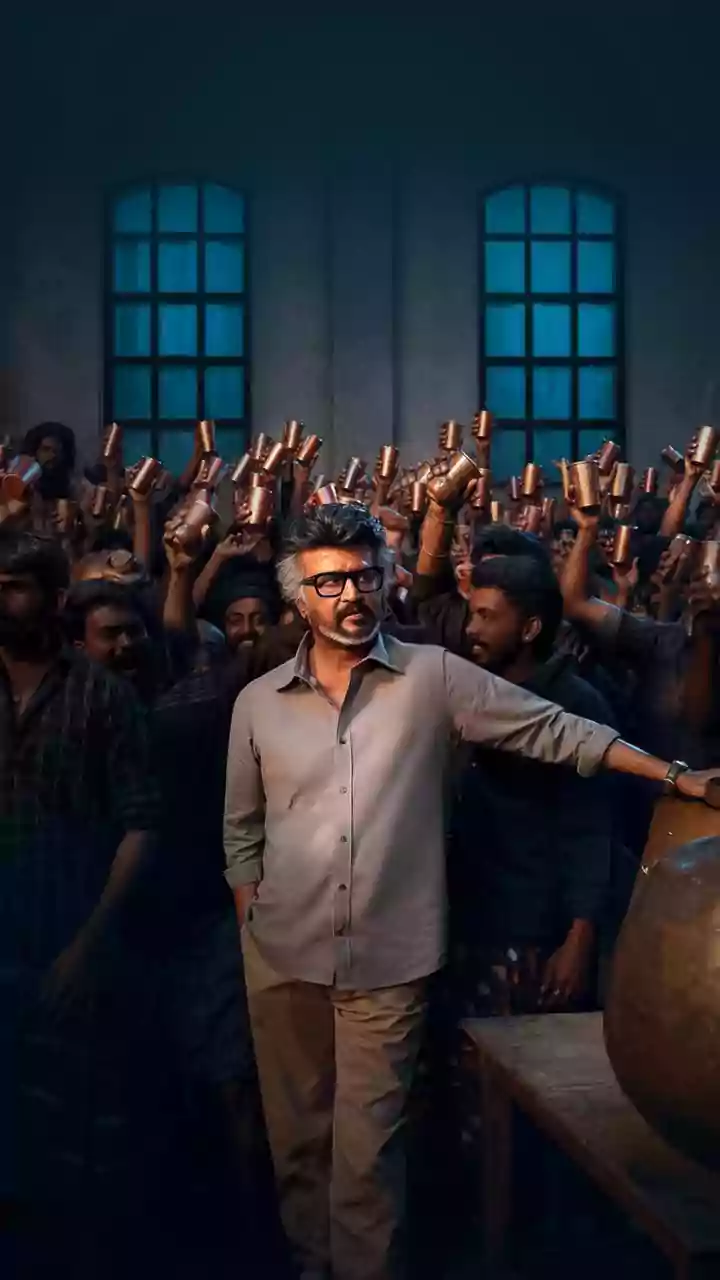
As the two platforms have matured, they have begun to specialize. Theatres are increasingly becoming the home of the 'event' movie. Producers know that to draw people out of their homes, they need to offer an experience that justifies the ticket price and travel time. This means high production values, grand visuals, and stories that feel like a nationwide celebration. Conversely, OTT has become the ideal space for character-driven dramas, complex thrillers, documentaries, and long-form series that benefit from the intimacy of at-home viewing. This platform allows for more creative risk-taking, as stories don't have to rely on a massive opening weekend. This has given a voice to independent creators and stories that traditional cinema might have once overlooked.
The Economic Equation
The financial models for theatres and OTT are fundamentally different. A theatrical release is a high-risk, high-reward venture dependent on box office collections, with marketing and distribution costs playing a huge role. For OTT, the model is often based on subscriptions and using exclusive content to attract and retain viewers. In recent years, a hybrid model has become common, where a film has an exclusive theatrical run before moving to a streaming platform, typically after about eight weeks. This strategy allows producers to maximize revenue from both channels. While direct-to-digital premieres saw a spike during the pandemic, the industry is now firmly reverting to a theatre-first strategy, recognizing that a successful box office run often boosts a film's value and viewership when it eventually lands on a streaming service.