


The Beauty of an Aged Patina
The defining characteristic of furniture that ages well is its ability to develop a patina. A patina is the soft sheen and subtle color change that materials like wood, leather, and certain metals acquire through years of use, polishing, and exposure
to light and air. Unlike damage from neglect, a patina tells the story of an object’s life, adding depth and character. For example, a frequently touched brass handle will darken, while a solid cherry wood table will deepen into a rich, reddish-brown. This graceful aging process is a hallmark of quality materials, turning everyday objects into cherished heirlooms. In a world of disposable goods, choosing furniture that improves with age is a vote for permanence and style.
Solid Wood: The Gold Standard of Durability
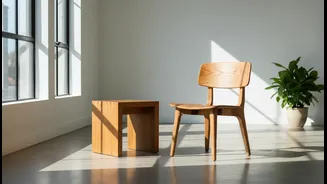
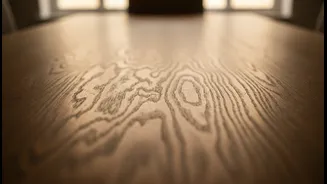
When it comes to longevity, nothing compares to solid wood. Materials like oak, walnut, teak, and maple are prized for their strength and durability. Unlike particleboard or MDF with a thin veneer, solid wood is the same material through and through. This means that daily wear and tear, like scratches or dents, aren't catastrophic failures but minor blemishes that can often be repaired. Over time, solid wood responds to its environment; cherry darkens significantly, white oak shifts to a warm honey gold, and walnut mellows into a softer brown. This natural evolution in color and grain enhances the wood's beauty, ensuring that a well-made piece looks even better a decade later than it did in the showroom.
Full-Grain Leather: Comfort That Lasts
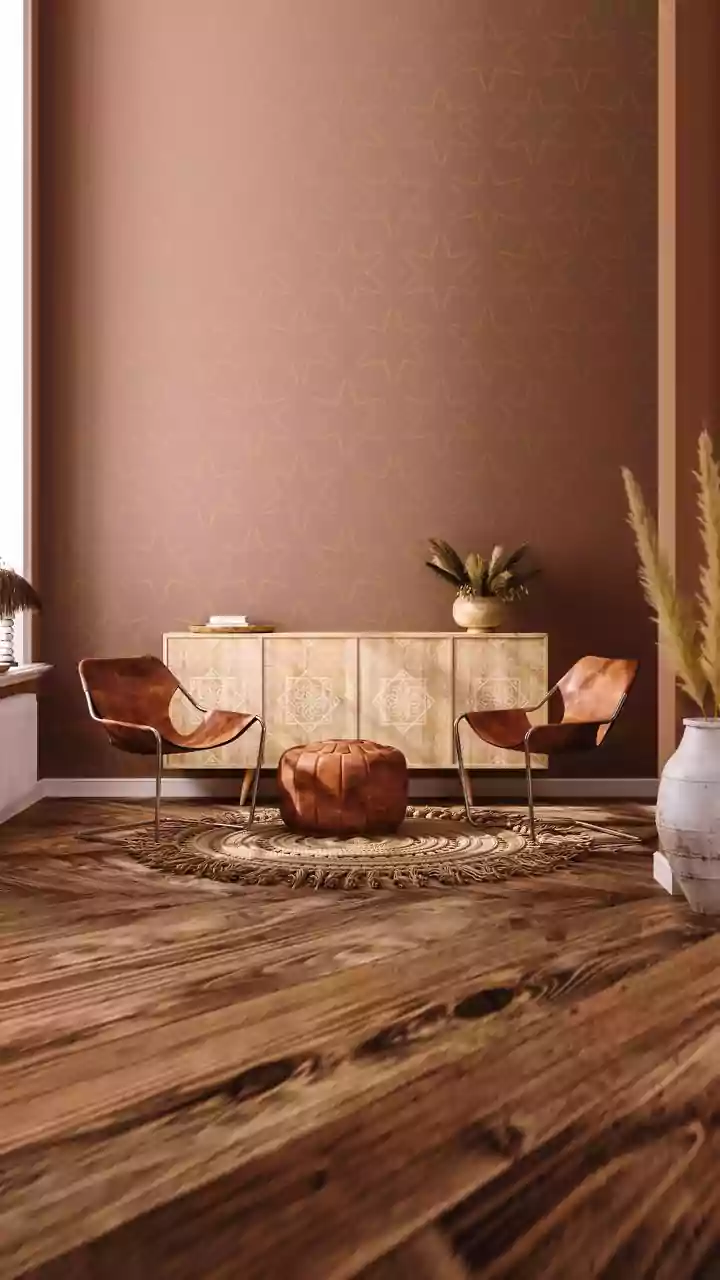
Much like solid wood, high-quality leather is a material that gets better with age. Full-grain leather, which is the highest quality grade, will develop a rich patina, becoming softer and more supple with use. Instead of cracking and peeling like faux or bonded leather, genuine leather adapts to its use, with creases and color variations adding to its unique character. It's also remarkably durable, resisting spills and being relatively easy to clean. A full-grain leather armchair or sofa is a significant investment, but it's one that pays dividends in comfort and timeless appeal for decades.
Simple Maintenance for a Long Life
One of the greatest benefits of well-made furniture is that it doesn’t require complicated care. Simple, consistent habits are all that’s needed to maintain its beauty. For solid wood, frequent dusting with a soft cloth prevents the buildup of particles that can scratch the finish. For cleaning, use a wood-safe cleaner and immediately wipe the surface dry. It's also crucial to protect the wood from extreme humidity, heat, and direct sunlight, which can cause warping or fading. Using coasters and placemats is a simple habit that prevents water rings and heat damage. For leather, a regular wipe-down and conditioning a couple of times a year is usually sufficient to keep it moisturized and prevent cracking.
The Forgiveness of a Refinishable Surface
Perhaps the most practical advantage of solid wood furniture is the ability to refinish it. Life happens—deep scratches, stubborn stains, or maybe you just want a new look after twenty years. With solid wood, you have the option to sand the surface down and apply a new stain or finish. This can be done multiple times over the life of the piece, effectively giving you a brand-new item without the cost or waste of buying a replacement. This is a luxury not afforded by veneered furniture, where sanding too deeply can permanently damage the thin top layer and expose the particleboard or MDF core underneath. The option to refinish makes solid wood a truly sustainable and long-term investment.