







The Rise of Barrier Repair
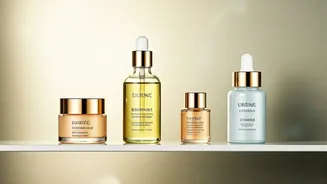
If there's one phrase dominating skincare in 2026, it's "skin barrier repair." This isn't just another fleeting fad; it's a fundamental shift back to basics, driven by a collective fatigue from irritation. For years, the prevailing wisdom was to attack
skin concerns with an arsenal of high-strength acids, retinoids, and multi-step routines. The result? A generation of users with compromised skin barriers, leading to increased sensitivity, redness, and inflammation. The new philosophy, sometimes called "skinimalism," argues for a less-is-more approach. It prioritizes soothing, strengthening, and protecting the skin's outermost layer, creating a foundation of health rather than chasing a quick fix.
What Is Your Skin Barrier?
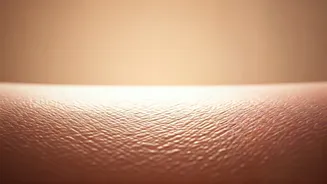
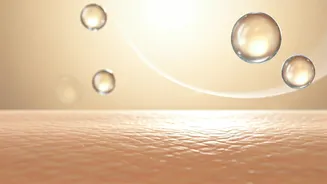
Think of your skin barrier, or stratum corneum, as a tiny but mighty brick wall. The "bricks" are your skin cells (corneocytes), and the "mortar" holding them together is a mix of natural lipids like ceramides, cholesterol, and fatty acids. This structure has two crucial jobs: keeping essential water and moisture locked in, and keeping harmful environmental stressors, pollutants, and bacteria out. When this barrier is damaged—through over-exfoliation, sun exposure, or harsh products—gaps form in the mortar. This allows moisture to escape, causing dryness, and irritants to enter, triggering reactions like redness, stinging, flaking, and breakouts.
The Heroes of Healing
The barrier repair trend is defined by its focus on ingredients that rebuild and soothe. Ceramides are the undisputed stars, as they directly replenish the lipids that make up about 50% of your skin barrier. Applying them topically helps to literally fill in the cracks. Centella Asiatica, also known as Cica or Tiger Grass, is another powerhouse. This botanical extract is famed for its ability to calm inflammation, reduce redness, and promote the skin's natural healing processes. Other key players include Niacinamide (a form of Vitamin B3) which strengthens the skin, reduces inflammation and can even minimize pores; Panthenol (Vitamin B5) for its hydrating and soothing properties; and Hyaluronic Acid, which draws moisture into the skin.
Building a Barrier-Friendly Routine
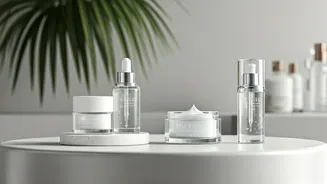
Embracing this trend doesn't require a complete overhaul, just a thoughtful simplification. The goal is to strip back your routine to the essentials that support skin health. Start with a gentle, non-stripping cleanser—think milky or cream formulas that don't leave your skin feeling tight. Follow with a hydrating or calming serum featuring ingredients like Cica or Hyaluronic Acid. Next, use a moisturizer rich in ceramides to lock everything in and reinforce your skin's protective mortar. And the final, non-negotiable step is a broad-spectrum sunscreen with at least SPF 30 every single morning. Sun exposure is one of the fastest ways to weaken your skin barrier, so protection is paramount.
Patience Over Perfection
The most significant shift in this trend is mindset. Barrier repair is not about instant transformation; it's about long-term resilience. While harsh exfoliants can offer a quick, superficial smoothness, they often do so at the cost of your skin's health. A barrier-focused routine, on the other hand, builds strength over time. As your barrier heals, you may notice that your skin becomes less reactive, feels more comfortable, holds hydration better, and has a more even, naturally healthy glow. It's about working with your skin, not against it, allowing it to function at its best. So, if your skin is feeling stressed and overworked, perhaps it's time to join the quiet revolution and focus on repair, not disruption.