






The Problem with Mango Sap
Before you can dive into the sweet, golden flesh of a perfect mango, you have to contend with its one major flaw: the sap. That sticky, milky liquid that oozes from the stem end is more than just a nuisance. Known as latex, this sap contains a compound
called urushiol, the same irritant found in poison ivy. For many people, contact with this sap can cause mild to severe skin irritation, a rash around the mouth (contact dermatitis), or an itchy throat. Beyond the potential for irritation, it’s just plain messy, getting on your hands, clothes, and cutting board, making the whole delicious process a bit of a sticky hassle. This is why properly cleaning your mangoes before cutting is not just a suggestion, but a crucial first step to fully enjoying the fruit.
The Simple Saltwater Soaking Method
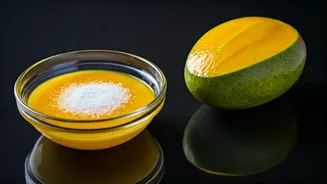
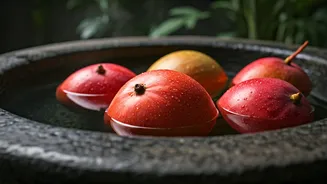
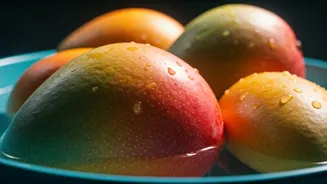
Generations of mango lovers, particularly in India, have sworn by a simple, effective solution: a saltwater bath. While the headline’s promise of “instantly” might be a slight exaggeration, this method is remarkably efficient. Here’s how to do it properly: 1. **Prepare the Bath:** Fill a large bowl with cool or room-temperature water. Avoid using hot water, as it can slightly cook the fruit's skin and affect its texture. 2. **Add the Salt:** For every litre of water, add about one tablespoon of regular table salt or sea salt. Stir until the salt has completely dissolved. The salt creates a slightly saline solution that works wonders on the sap. 3. **Soak the Mangoes:** Submerge your whole, unpeeled mangoes in the saltwater. Ensure they are fully covered. You might need to place a small plate on top to keep them from floating. 4. **Let Them Rest:** Let the mangoes soak for at least 30 minutes. For best results, many families recommend a soaking time of 1 to 2 hours. This gives the water enough time to do its work. 5. **Rinse and Dry:** After soaking, remove the mangoes and give them a thorough rinse under clean, running water to wash off any residual salt and loosened sap. Pat them dry with a clean cloth, and they are ready to be chilled, cut, and devoured.
Why This Hack Actually Works
This traditional practice is backed by both science and Ayurvedic wisdom. The primary scientific principle at play is osmosis. The saltwater solution has a higher solute concentration than the sap within the mango's stem and skin. This pressure difference helps draw the latex and other compounds out of the fruit’s pores and, most importantly, from the stem where the sap is most concentrated. The salt effectively 'pulls' the sticky residue away from the fruit, making it much easier to wash off completely. From a traditional perspective, particularly in Ayurveda, mangoes are considered a 'heating' (ushna) food. Consuming them in large quantities is believed to increase pitta dosha, leading to issues like acne, skin rashes, or digestive discomfort. Soaking the mangoes in water is thought to reduce this thermogenic property, making them 'cooler' and gentler on the body. The saltwater soak is an extension of this belief, seen as an even more effective way to balance the fruit's properties.
More Benefits of Soaking Mangoes
Beyond removing sap and balancing 'heat,' soaking your mangoes offers a few other practical advantages. Firstly, it helps break down phytic acid, an anti-nutrient present on the surface of many fruits, vegetables, and grains. Phytic acid can interfere with your body's ability to absorb essential minerals like iron, zinc, and calcium. Soaking helps reduce its concentration, allowing for better nutrient absorption. Secondly, a good soak is an excellent way to clean your fruit thoroughly. It helps dislodge and wash away any dirt, dust, and residual pesticides or chemicals that might be lingering on the skin from the farm or the market. This ensures that the fruit you’re about to enjoy is as clean and safe as possible, especially if you enjoy eating the mango close to the peel.
How to Pick the Perfect Mango
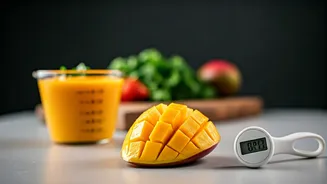
Using this trick is even more satisfying when you start with a great mango. Don’t just rely on colour, as it varies widely by variety. Instead, use your other senses. Gently squeeze the mango; a ripe one will have a slight give, similar to a peach or avocado. It shouldn’t be mushy or hard as a rock. Next, smell the stem end. A ripe mango will have a distinctly sweet, fragrant, and fruity aroma. If it smells sour, fermented, or has no scent at all, it's either not ripe or has gone bad. A heavier mango for its size is also often a juicier one. Once you bring your perfect mangoes home, this saltwater soak is the final step before pure, unadulterated enjoyment.