




A Changing of the Guard
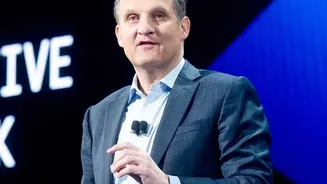
Meta has confirmed a significant transition at the top of its global infrastructure operations. Santosh Janardhan, a 17-year company veteran who rose to become head of infrastructure and co-head of engineering, will depart in early 2027. He is credited
with playing a pivotal role in building the vast network of data centers and hardware that powers Facebook, Instagram, and WhatsApp for billions of users. Taking his place is Dave Brown, a former senior vice president from Amazon Web Services (AWS) who joined Meta in July 2026. Janardhan will stay on through the first quarter of 2027 to ensure a smooth transition, after which he will serve as an advisor.
From a Facebook Veteran to an AWS Expert
The backgrounds of the two executives offer the clearest clue to Meta's evolving strategy. Janardhan's long tenure means he was instrumental in scaling the company's bespoke infrastructure from its social media roots into a global behemoth. His focus was on building the foundational backbone for Meta's existing empire. In contrast, Dave Brown comes from AWS, the undisputed king of cloud computing, where he spent nearly two decades working on cloud infrastructure and technologies for a wide range of demanding workloads. His expertise lies not just in building, but in operating and commercializing massive-scale, dependable infrastructure for others. Janardhan himself noted that Brown has the 'instincts, depth and judgment this moment requires'.
Why Infrastructure Is the Real AI Battlefield
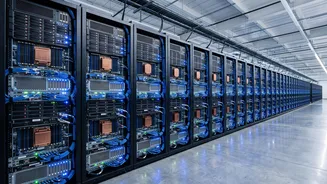
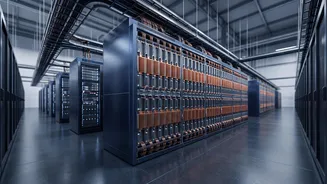
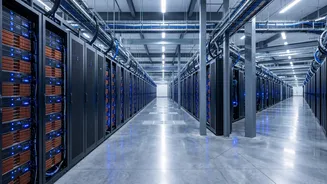
Artificial intelligence, especially the large models behind services like Meta's AI assistant 'Muse', is incredibly power-hungry. It requires colossal amounts of computing power, housed in specialized data centers. This AI infrastructure is the digital equivalent of power plants and electrical grids; without it, nothing runs. Meta has committed to a staggering capital expenditure of between $135 billion and $145 billion for 2026 alone, with the majority aimed squarely at building this AI engine. This spending is for data centers, custom silicon chips, and the enormous energy contracts needed to power them. The leadership of this division, therefore, is not a back-office role but a frontline general in the AI wars against Google, Microsoft, and Amazon.
The Main Point: A Shift to Operational Execution
Bringing in an executive with deep experience from AWS, a company that perfected the art of running efficient, scalable, and profitable cloud services, is a deliberate move. It signals a strategic pivot for Meta. The 'building' phase, while ongoing, is now complemented by a relentless focus on operational execution and efficiency. Brown's appointment to lead infrastructure and also serve as CTO of the 'Meta Compute' initiative suggests the company is getting serious about turning its massive investment into a ruthlessly efficient machine. As Meta's AI products like Muse begin to scale, the focus shifts from simply having enough power to using that power as cost-effectively as possible. Some analysts even speculate Brown's background could hint at a long-term plan for Meta to commercialize its infrastructure, potentially competing with his former employer, AWS.
The Billions at Stake and Investor Scrutiny
This leadership transition happens at a time of intense investor focus on Meta's spending. The company's massive capital outlays have resulted in negative free cash flow, a metric that makes Wall Street nervous. In late October, S&P Global Ratings even revised Meta's credit rating outlook from stable to negative, citing cash flow performance. The pressure is on for Meta to demonstrate a clear return on its AI investment. Installing a leader known for operational prowess in running large-scale systems is a direct response to that pressure. The message to investors is clear: Meta is not just spending money, it is building a cost-efficient engine for future growth, led by someone with a track record of doing exactly that at an industry leader.